Mastering Modern Driving Techniques
Vehicle Control Mastery
The Art of Smooth Control
Driving smoothly isn't about simply knowing which pedal does what. It's about orchestrating the accelerator, brake, and steering wheel in a coordinated dance. Each input you give the car shifts its balance, and mastering this interplay is the key to confident, predictable driving. Think of it less like flipping switches and more like a conversation with the vehicle.
This conversation begins with your feet. The goal is finesse, not force. Abruptly stomping on the gas or brake pedal unsettles the car, making it lurch and potentially lose traction. Instead, aim for a gradual, deliberate application of pressure. Imagine there's a raw egg between your foot and the pedal. You want to press it firmly enough to work, but not so hard that you crack the shell. This gentle touch allows the car's weight to shift predictably, keeping it stable and responsive.
Smooth inputs lead to a stable car. A stable car is a predictable car.
Mastering the Brakes
Effective braking is more than just stopping; it's about controlling deceleration. The two primary techniques are progressive braking and threshold braking.
Progressive braking is your everyday workhorse. You start with light pressure and gradually increase it until you reach the desired slowing rate. As you approach your stop, you then ease off the pedal slightly just before coming to a complete halt. This prevents the final, jarring "lurch" and makes for a much smoother stop for you and your passengers.
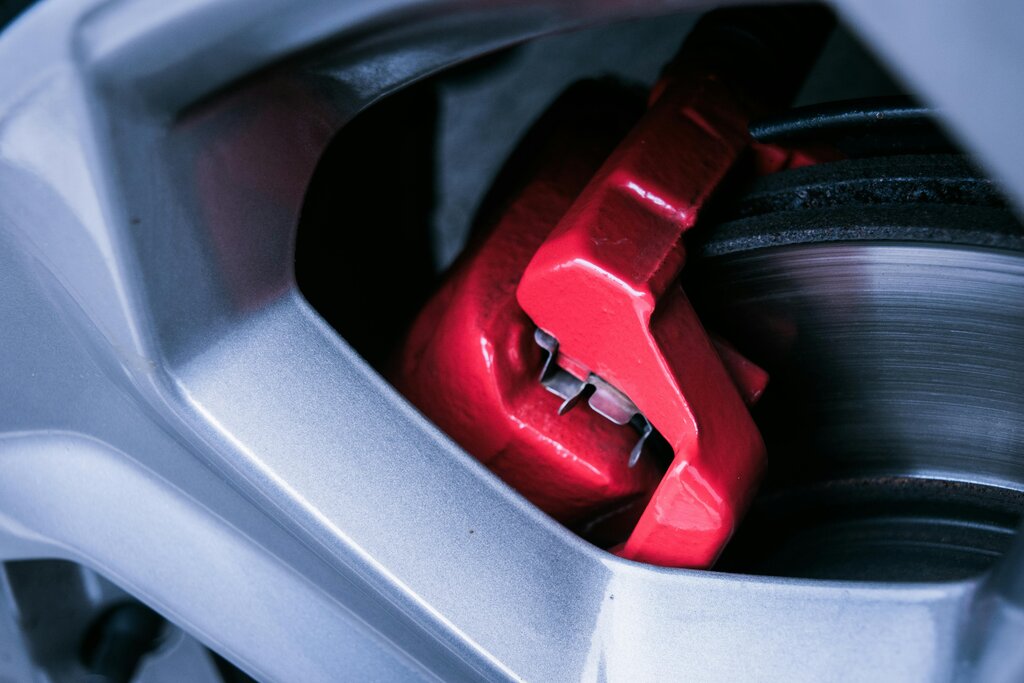
For emergency situations, there's s. This technique involves applying the brakes with maximum force right up to the point where the wheels lock up and begin to skid. It achieves the shortest possible stopping distance without an Anti-lock Braking System (ABS). If you feel the tires start to skid, you slightly release pressure to regain traction and then reapply. It requires a sensitive foot and a feel for the car's limits. Most modern cars have ABS, which automates this process by rapidly pulsing the brakes, but understanding the principle is crucial for developing advanced car control.
The Physics of Weight Transfer
Every time you accelerate, brake, or turn, you're shifting the car's weight. This phenomenon, called , is the most critical concept in understanding vehicle dynamics. Imagine your car is carrying a shallow bowl of water.
- Accelerate: The water sloshes to the back. Weight transfers to the rear wheels.
- Brake: The water sloshes to the front. Weight transfers to the front wheels.
- Turn Right: The water sloshes to the left. Weight transfers to the left-side tires.
- Turn Left: The water sloshes to the right. Weight transfers to the right-side tires.
This isn't just an analogy; it's what happens to the physical mass of your car. The tires with more weight on them have more grip. This is why you feel the front of the car "dive" during hard braking and "squat" during acceleration. Understanding this allows you to use your controls to deliberately manage traction.
For example, easing off the brakes just as you begin to turn transfers weight from the front tires, which helps prevent understeer (where the car turns less than you intend). Conversely, a light tap of the brakes before a turn can shift weight forward, giving the front tires more bite to initiate the turn sharply. It's a delicate balance.
Steering and Coordination
Smooth steering is just as important as smooth pedal work. Your hands should guide the wheel with fluid, deliberate motions. Avoid jerky, abrupt inputs, as they can upset the car's balance, especially mid-corner.
For tight maneuvers, like navigating a sharp turn or a parking lot, the shuffle steering method (also called push-pull) is superior to hand-over-hand. Here's how it works:
- Keep both hands on the wheel, roughly at a "9 and 3" position.
- To turn right, push up with your left hand and slide your right hand up to the top of the wheel to meet it.
- Pull the wheel down with your right hand, while your left hand slides back to its original position.
This technique ensures you never have your arms crossed, maintaining maximum control and allowing for quick corrections. It also prevents the airbag from injuring your arms in a collision.
Ultimately, mastery comes from coordinating all three controls. A smooth turn isn't just a steering input. It's easing off the accelerator, applying gentle brake pressure to load the front tires, turning in smoothly, and then progressively applying the throttle as you exit the corner to re-balance the car. Each action flows seamlessly into the next. This synchronization is what separates a novice driver from an expert.
Ready to test your understanding of these dynamics? Let's see how well you've grasped the coordination of vehicle controls.
What is the primary principle behind smooth pedal control, as described by the "raw egg" analogy?
When executing a routine stop using progressive braking, what action helps prevent the final, jarring "lurch"?
Practice these techniques in a safe, open area. With time, the deliberate, conscious actions of braking, steering, and accelerating will become second nature, giving you a fluid and confident command of your vehicle.