Mastering Modern Dating Apps
Understanding Dating Apps
The Rise of Digital Matchmaking
Finding a partner has changed more in the last two decades than in the previous two centuries. For a long time, your options were limited to your social circle, workplace, or maybe a setup from a well-meaning relative. Then came the internet, and with it, the first wave of dating websites in the mid-1990s. Platforms like Match.com digitized the personal ad, allowing people to connect with others far outside their immediate vicinity.
The real revolution, however, arrived with the smartphone. Suddenly, your dating pool wasn't just on your desktop at home; it was in your pocket. The launch of Tinder in 2012 was a turning point. It introduced two key innovations: location-based matching and the
swipe
verb
The gesture of moving a finger across a touchscreen to indicate interest (or lack thereof) in another user's profile.
This simple, game-like interface made online dating feel faster, more casual, and more accessible than ever before. It set the stage for a flood of new apps, each with its own twist on finding a connection.
A Tour of Popular Apps
Not all dating apps are created equal. While most share core features like profiles with photos and bios, they often cater to different audiences and intentions. Understanding the subtle differences can help you figure out where you might fit in best. Let's look at three of the biggest names in the game.
| App | Known For | Key Feature |
|---|---|---|
| Tinder | Its massive user base and casual dating | The original "swipe right for yes, left for no" |
| Bumble | Empowering women to initiate contact | Only women can send the first message in heterosexual matches |
| Hinge | Fostering serious relationships | Prompts and detailed profiles to spark conversations |
Tinder is often seen as the go-to for casual connections, largely due to its enormous number of users and simple, photo-focused interface. It's a numbers game, offering the largest possible pool of potential matches.
Bumble flips the traditional script. In matches between men and women, the woman has 24 hours to send the first message. This feature was designed to reduce unsolicited messages and put women in control of the conversation.
Hinge markets itself as the app that's "designed to be deleted." It encourages users to build more detailed profiles by answering specific prompts, with the goal of sparking more meaningful conversations that lead to long-term relationships.
Who's Swiping?
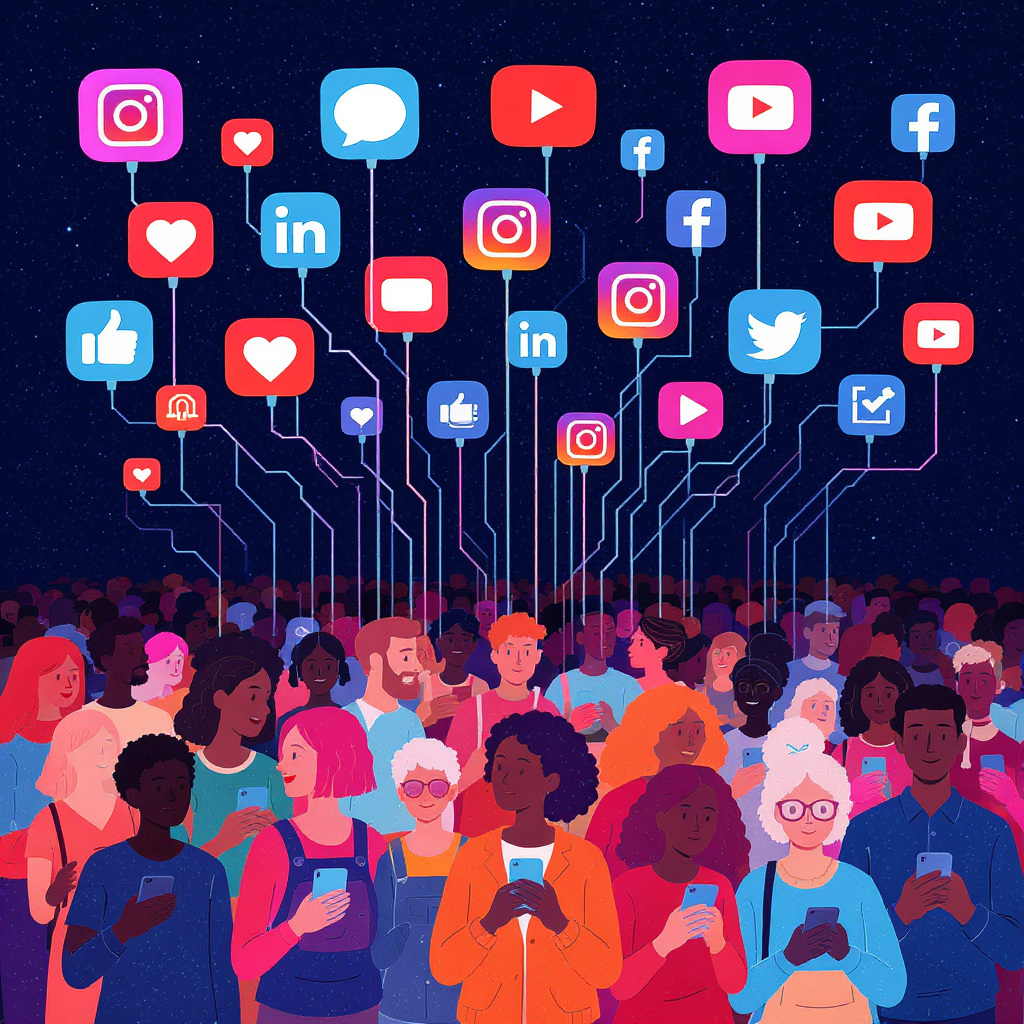
Dating app usage has become mainstream. What was once a niche activity is now one of the most common ways for couples to meet. The user base is vast and diverse, though it does skew younger. Adults under 30 are the most active demographic, having grown up with smartphones as a central part of their social lives.
Globally, over 300 million people use dating apps, and about 30% of U.S. adults say they have used one at some point. The industry is a multi-billion dollar market, showing just how integrated these platforms have become in modern society.
While millennials and Gen Z lead the charge, usage is growing among older demographics as well. People over 50 are an expanding segment of the market, turning to apps to find companionship after divorce or other life changes. The apps have become a universal tool for connection, transcending age and geography.
How They Work
At their core, most dating apps function in a similar way. You create a profile, which is your personal advertisement. It typically includes a few photos, a short biography, and basic information like your age, location, and sometimes your job or education.
Once your profile is set up, the app presents you with profiles of other users. This is where the swiping comes in. If you swipe right on someone and they swipe right on you, it’s a match. When you match with someone, the app opens a private chat channel, allowing you to start a conversation.
Most apps operate on a "freemium" model. The core functions, like swiping and messaging, are free. However, they offer paid subscription tiers that unlock premium features, such as unlimited swipes, the ability to see who has liked your profile, or boosting your profile's visibility to more users.
What key technological shift was the primary catalyst for the explosion in popularity of dating apps like Tinder?
Which dating app requires women to send the first message in matches between men and women?
With this foundation, you have a better sense of the dating app landscape. It's a dynamic world, but the basic principles are straightforward: create a profile, browse your options, and connect with people you find interesting.