Mastering Model Kit Airbrushing
Airbrush Equipment
Your Airbrushing Toolkit
An airbrush is a small, air-operated tool that sprays paint. Think of it as a miniature spray gun that gives you incredible control for smooth, even coats of paint on your models. The two core components of any setup are the airbrush itself and an air compressor to supply it with a steady stream of air.
Choosing Your Airbrush
Airbrushes primarily come in two flavors: single-action and double-action. The difference lies in how you control the paint and airflow.
A single-action airbrush is simpler. When you press the trigger down, it releases both air and a pre-set amount of paint at the same time. To adjust the amount of paint, you have to stop and turn a small knob. They're great for beginners and for painting single, solid colors over larger areas.
A double-action airbrush gives you more control. Pressing down on the trigger releases only air. As you pull the trigger back, it begins to release paint. The further you pull back, the more paint is sprayed. This two-part action lets you adjust the paint flow in real-time, making it ideal for detailed work like weathering, shading, and camouflage patterns.
| Feature | Single-Action Airbrush | Double-Action Airbrush |
|---|---|---|
| Control | Press trigger for air & paint | Press for air, pull back for paint |
| Paint Adjustment | Manual knob | Real-time trigger control |
| Best For | Base coats, beginners | Detailed work, advanced techniques |
| Learning Curve | Easy | Steeper |
While a double-action model offers more versatility, many modelers start with a single-action airbrush to get comfortable with the basics before upgrading.
The Air Compressor
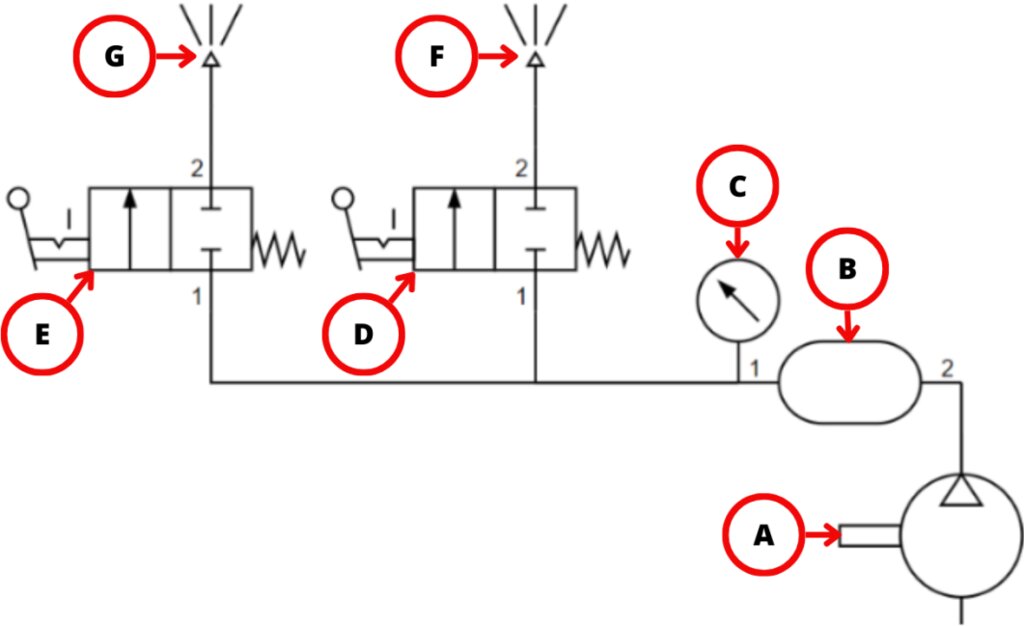
Your airbrush is useless without a source of compressed air. While you can use canned propellant, an electric air compressor is a far better long-term investment. It provides consistent, adjustable pressure.
When choosing a compressor, look for three key features:
-
A Tank: Many small compressors don't have an air tank, meaning the motor runs constantly while you spray. A compressor with a tank stores pressurized air, so the motor only runs intermittently to fill it up. This results in a quieter operation and a steadier, pulse-free airflow.
-
Pressure Regulator: This dial lets you control the air pressure, measured in PSI (pounds per square inch). Different paints and techniques require different pressures, so a regulator is essential for control and consistency.
-
Moisture Trap: As air is compressed, moisture from the atmosphere condenses into water. A moisture trap (or water separator) catches this water before it can travel through the hose and sputter out of your airbrush, potentially ruining your paint job.
Essential Accessories
Finally, a few accessories will make your airbrushing experience much smoother.
An air hose is needed to connect your airbrush to the compressor. They come in different lengths and materials, with braided hoses being more durable.
An airbrush holder is a simple but invaluable tool. It gives you a safe place to put your airbrush when you're not using it, preventing accidental spills or damage to the delicate needle tip.
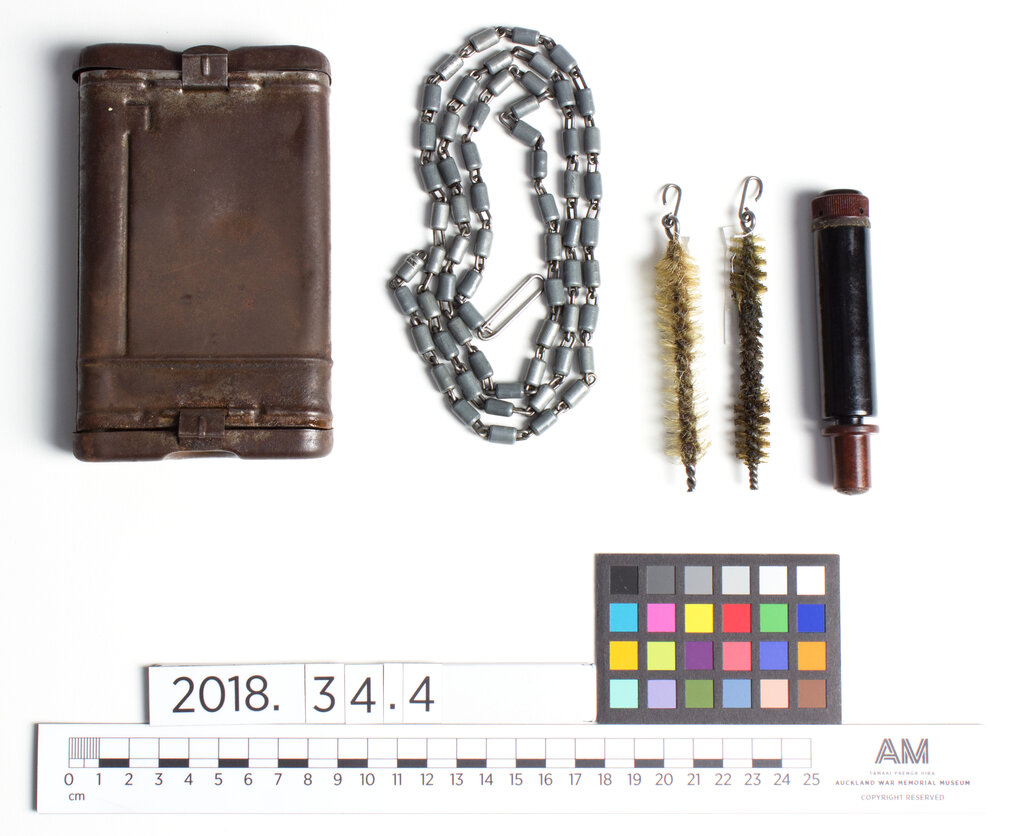
Lastly, a cleaning kit is non-negotiable. Proper maintenance is key to keeping your airbrush working well. These kits typically include small brushes, cleaning wires, and solution to remove dried paint from the airbrush's internal components.
Now that you know the gear, let's test your understanding.
What is the primary advantage of a double-action airbrush over a single-action airbrush?
A modeler wants to apply a single, uniform base coat to a large surface. Which tool is generally best suited for this specific task?
With the right equipment, you have a powerful system for achieving professional-level paint finishes on your models. Keeping it clean and maintained will ensure it serves you well for many projects to come.