Mastering Miniature Sculptures with Your Rotary Tool
Introduction to Dremel Rotary Tools
Meet Your Dremel
A Dremel is a handheld rotary tool, which is really just a simple way of saying it's a small, powerful motor that you can hold in your hand. The motor spins a variety of interchangeable tips, called bits or accessories, at very high speeds. Think of it as a power tool that traded brute force for speed and precision. It doesn't rip through wood like a circular saw; instead, it sands, grinds, polishes, and cuts with finesse.
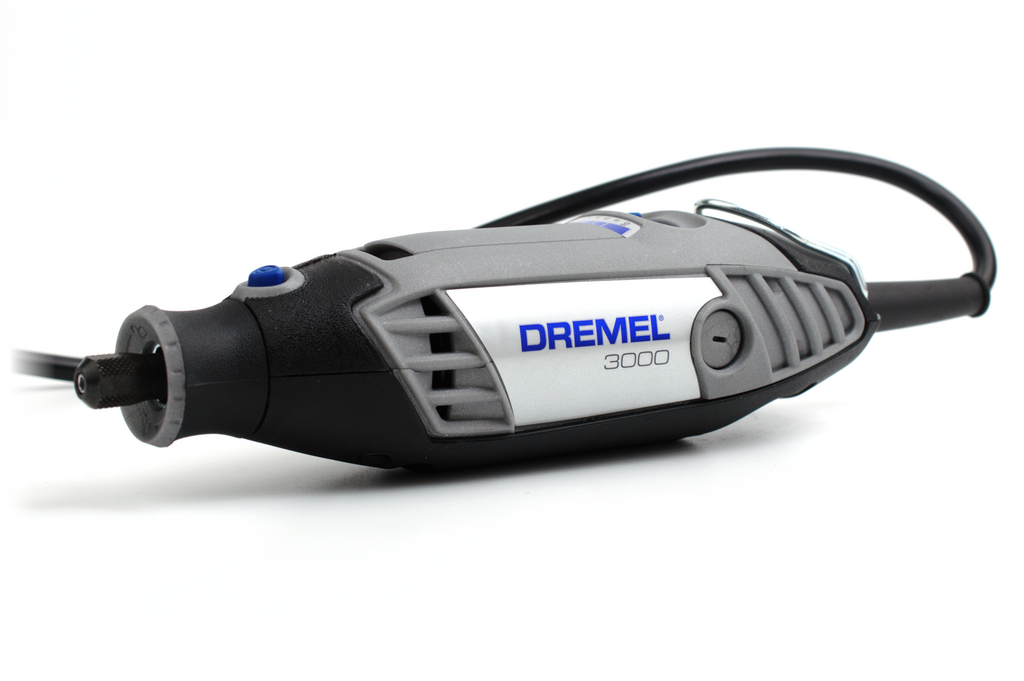
Let's look at its main parts. The main body houses the motor. You'll find a power switch and a variable speed dial. The speed setting is critical; slower speeds are for tasks like polishing plastics, while higher speeds are for cutting metal or carving wood. At the tip, you'll find the part that holds the bits. This is usually a collet and collet nut. The collet is a small sleeve that grips the shank of the bit, and the nut tightens to lock it in place. Changing a bit is as simple as loosening the nut, swapping the bit, and tightening it again.
The Right Tool for the Job
The Dremel's true versatility comes from its huge range of accessories. There's a bit for almost any task you can imagine, from grinding down a sharp edge to engraving your initials on a piece of glass. The key is knowing which bit to use for your specific material and desired outcome.
| Accessory Type | Primary Use |
|---|---|
| Cutting Wheel | Slicing thin metal, plastic, or wood |
| Sanding Drum | Smoothing and shaping wood or removing rust |
| Grinding Stone | Sharpening blades or deburring metal |
| Engraving Bit | Etching fine lines and details in various materials |
| Polishing Wheel | Buffing and shining metal, plastic, or glass |
| Wire Brush | Cleaning metal or removing corrosion |
Most Dremel kits come with a starter selection of these accessories. As you get more experienced, you can buy specialized bits for specific projects. The shank, or the part of the bit that you insert into the tool, comes in standard sizes, so most bits are interchangeable between different Dremel models.
Work Smart, Work Safe
A Dremel spins at incredibly high speeds, sometimes over 30,000 RPM. This makes it a fantastic tool, but it also means safety is paramount. Tiny particles of wood, metal, or plastic can be kicked up into the air and into your eyes. Always wear safety glasses.
Rule #1 of using a Dremel: Protect your eyes. No exceptions.
A dust mask is also essential, especially when sanding or grinding. You don't want to breathe in fine dust particles. If you have long hair, tie it back. Avoid wearing loose clothing or jewelry that could get caught in the spinning tool.
Your workspace should be clean, stable, and well-lit. Whenever possible, clamp your workpiece to your bench. Trying to hold a small object in one hand while using the Dremel with the other is a recipe for mistakes and injuries. Let the clamp do the holding so you can focus on controlling the tool.
Before starting, always do a quick check. Make sure the bit is securely tightened in the collet. Turn the tool on for a second before applying it to your material to ensure the bit is spinning true and not wobbling. Finally, let the speed of the tool do the work. Don't press down hard. A light, steady touch is all you need for most applications.
What is the primary function of the collet and collet nut on a Dremel?
When is it most appropriate to use a lower speed setting on a Dremel?
With these fundamentals, you're ready to start using the Dremel safely and effectively.