Mastering Minecraft Advanced Techniques
Advanced Building Techniques
Beyond the Basic Block
You've moved past simple dirt huts and cobblestone boxes. Now it's time to elevate your builds from functional to fantastic. Advanced building is about using familiar blocks in clever ways to create structures that are not just bigger, but better designed and more interesting to look at.
Adding Depth and Detail
The single biggest step-up for any builder is moving away from flat walls. A wall that's just a single, unbroken surface looks boring and unnatural. The key is to create layers, giving the eye different surfaces and shadows to catch.
Think of your wall as having multiple layers. The main wall is your base layer. Then, add an outer layer for details like support pillars, window frames, or trim. You can also create an inner layer by recessing parts of the wall. Even a one-block difference can completely change the look and feel of a structure.
Use stairs, slabs, fences, and walls to add texture and break up flat surfaces. A log frame with the main wall set back one block is a classic technique for a reason: it works.
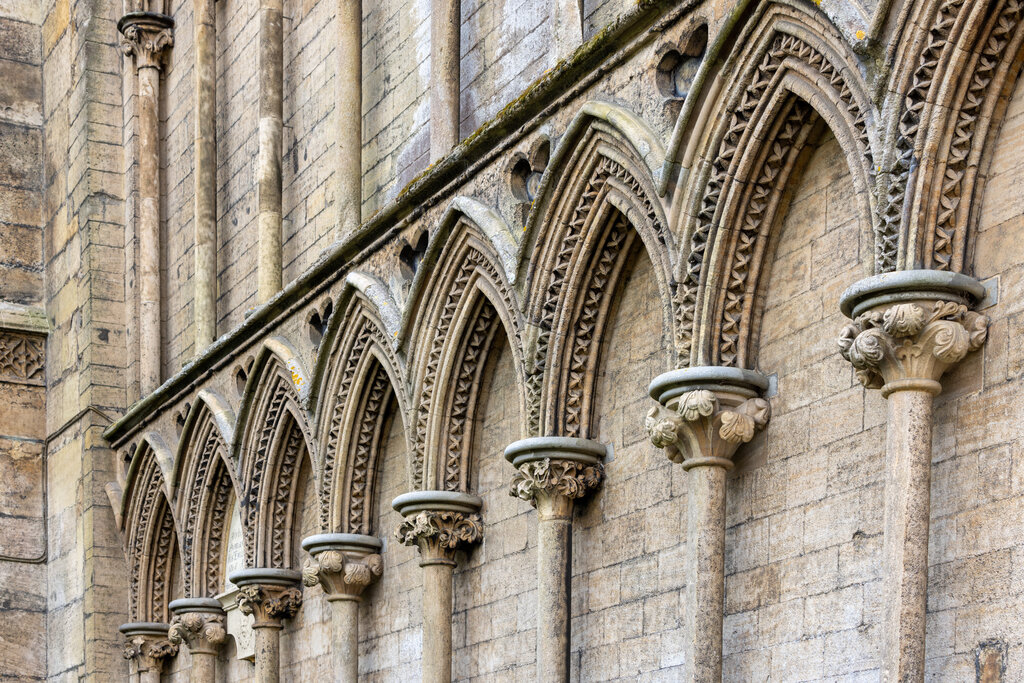
This layering doesn't just apply to walls. Roofs benefit from overhangs, dormer windows, and varied block heights. Interiors feel more dynamic with pillars, archways, and decorative molding made from upside-down stairs. The goal is always to create visual interest through depth.
Building with Realism
Minecraft allows you to build impossible, floating structures. While fun, grounding your designs in a bit of realism can make them feel more substantial and impressive. This means thinking about how your building would actually stand up.
Does that wide roof have supports? Add some thick log beams or stone pillars. Is that massive wall supported by anything? Consider adding buttresses. Does the building have a proper foundation, or does it just spring straight from the grass? Adding a foundation layer of a sturdier material like stone brick makes a build feel anchored to the world.
This doesn't mean you need an engineering degree. It's about visual storytelling. An archway looks stronger than a flat lintel over a wide gap. A stone castle on a rocky cliff feels more defensible and realistic than one floating in the sky. These small touches of structural logic make your creations more believable and immersive.
Symmetry and Asymmetry
Balancing your builds is crucial, and you can achieve this through two main approaches: symmetry and asymmetry.
Symmetrical builds are mirrored on either side of a central axis. This creates a sense of order, grandeur, and formality. Think of grand cathedrals, imposing castles, or stately mansions. They feel planned and powerful. However, perfect symmetry can sometimes feel rigid or predictable.
Asymmetrical builds, on the other hand, are balanced but not mirrored. They create a more organic, dynamic, and relaxed feel. A sprawling village, a cozy cottage, or a chaotic wizard's tower all benefit from asymmetry. The key is to achieve balance without exact replication. A large tower on one side might be balanced by a smaller wing and a tall tree on the other.
Experiment with both. Start with a symmetrical frame to get your core structure right, then add asymmetrical details like a side tower, a porch, or a chimney to make it feel more lived-in and unique.
Functional Redstone
Integrating Redstone doesn't mean your build has to be a complex machine. Simple, functional circuits can add life and convenience to your structures. The goal is to hide the mechanism so the function feels like a natural part of the building.
A hidden piston door that opens with a secret button is a classic example. Instead of a mess of visible Redstone, the mechanism is tucked away behind walls or under floors. Simple lighting systems are another great use. A single lever near the entrance could turn on all the Redstone lamps in a room, saving you from placing torches everywhere.
/*
  Simple hidden lighting circuit:
  1. Place Redstone Lamps in your ceiling.
  2. Run Redstone Dust over the top of them.
  3. Connect the dust line to a Lever.

  [L] = Lever
  [W] = Wall Block
  [D] = Redstone Dust
  [X] = Solid Block (to carry signal down)
  [R] = Redstone Torch (to invert signal)
  [P] = Lamp

  View from the side:

      [D]--[D]--[D]   (Above ceiling)
      [P]  [P]  [P]   (Ceiling)

  [L]-[W]-[X]
         [R]
          |
         [D]-----> (Connects to dust line above)
*/
Consider automated farms built into a barn, a hidden staircase that leads to a secret library, or a simple item sorter in your storage room. These functional additions make your base feel more advanced and personalized, transforming it from a static structure into an interactive home.
What is the most effective way to improve a large, flat wall in Minecraft?
When building a cozy, rustic cottage, which design principle is generally more suitable?
By combining these techniques—adding depth, thinking realistically, balancing your designs, and integrating simple functions—you can create truly memorable builds.