Mastering Mind-Body Command
Mind-Body Connection
The Mind-Body Connection
Your mind and body aren't two separate systems that just happen to share the same space. They're a single, deeply connected unit, constantly talking to each other. Your thoughts, feelings, and beliefs can have a very real impact on your physical health, and what you do with your body can powerfully affect your mental state.
Think of it like a dance. Sometimes the mind leads, and the body follows. Other times, the body takes a step, and the mind responds. The goal is to get them moving in harmony.
Understanding this relationship is the first step toward building true self-discipline. It's not about forcing yourself to do things through sheer willpower. It's about learning to guide this mind-body system with intention.
How Thoughts Shape Your Body
Have you ever felt your heart pound before a big presentation? Or gotten a tension headache after a stressful day? That's the mind-body connection in action. Your anxious thoughts trigger a physical stress response, also known as the "fight-or-flight" reaction.
When your brain perceives a threat, whether it's a real danger or just a worried thought, it signals your body to release stress hormones like cortisol and adrenaline. Your heart rate increases, your muscles tighten, and your breathing gets faster. This response is designed to help you survive a crisis, but when it's triggered by everyday worries, it can take a toll on your health over time.
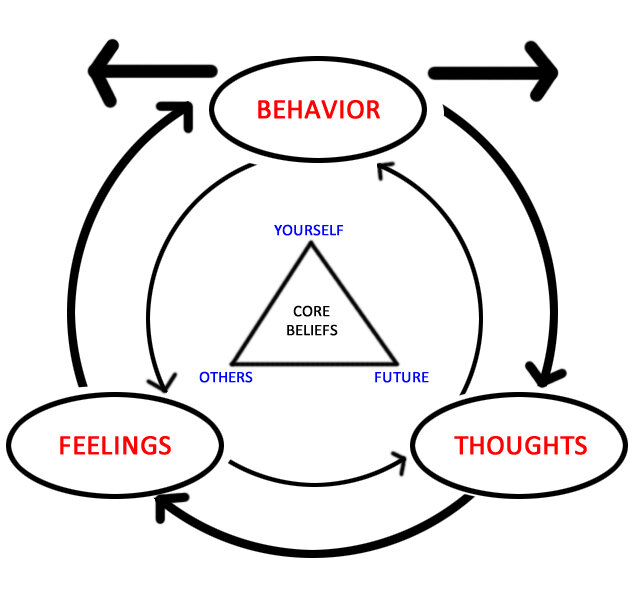
The opposite is also true. Positive mental states can create a relaxation response. When you feel calm and safe, your body follows suit. Your heart rate slows, your muscles relax, and your whole system can focus on rest and recovery. This is why practices like meditation or deep breathing can have such profound physical benefits.
Your Body Talks to Your Mind
The conversation is a two-way street. Just as your mind influences your body, your physical state sends powerful signals to your brain that can change your mood and thoughts.
The clearest example is exercise. Going for a run or lifting weights doesn't just work your muscles; it changes your brain chemistry, releasing endorphins that can create feelings of happiness and reduce pain. Physical activity is one of the most effective ways to improve your mood.
Even your posture matters. Try this: for 30 seconds, sit slumped over with your shoulders rounded. How do you feel? Now, sit up straight, pull your shoulders back, and lift your chin. Notice a difference? Your posture doesn't just reflect your mood; it can also shape it.
This is crucial for self-discipline. When you feel tired and unmotivated, your first instinct might be to give in to that feeling. But if you understand the mind-body connection, you know you have another option. You can choose to change your physical state—by standing up, stretching, or going for a short walk—and that action can shift your mental state, giving you the energy to follow through on your goals.
Body-Mind Psychotherapy is based on the principle that the body and mind are not separate entities but are deeply interconnected.
Becoming aware of these interactions is the foundation. By listening to the signals from both your mind and body, you can stop running on autopilot and start making more intentional choices that support your overall well-being and help you act in line with your long-term goals.
Now, let's test your understanding of this core concept.
According to the text, what is the fundamental relationship between the mind and the body?
When your brain perceives a threat, it can trigger the "fight-or-flight" response, causing the release of stress hormones like ________.