Mastering Microsoft Sentinel
Introduction to Microsoft Sentinel
A Modern Security Hub
Imagine a security team trying to watch over a company's entire digital world. They have alerts coming from cloud services, office computers, employee phones, and network firewalls. It’s like trying to watch hundreds of security camera feeds at once. This flood of information can be overwhelming, making it easy to miss a real threat.
This is the problem Microsoft Sentinel is built to solve. It acts as a central hub for all of an organization's security data.
Microsoft Sentinel is a scalable, cloud-native, security information event management (SIEM) and security orchestration automated response (SOAR) solution.
That's a mouthful, so let's break it down. Sentinel combines two powerful security approaches into one platform.
SIEM
noun
Stands for Security Information and Event Management. A SIEM system collects and analyzes security data from across your entire network, helping to detect and respond to potential security incidents in real time.
Think of a SIEM as the brain of a security operation. It gathers logs and alerts from different systems and puts them together to spot patterns that might indicate an attack.
SOAR
noun
Stands for Security Orchestration, Automation, and Response. SOAR tools help security teams manage and respond to alerts by automating repetitive tasks and streamlining workflows.
If SIEM is the brain, SOAR provides the muscle. It takes the insights from the SIEM and automatically performs actions, like blocking a user account or isolating a compromised machine. This frees up human analysts to focus on more complex threats.
Because Sentinel is "cloud-native," it lives in the cloud (specifically, Microsoft Azure). This means companies don't need to buy and manage their own powerful servers to run it. It can scale up or down as needed, whether a business is monitoring a hundred devices or a hundred thousand.
Sentinel's Core Capabilities
Microsoft Sentinel is designed to handle the entire lifecycle of a security threat. Its capabilities can be grouped into four main areas.
Collect Data: Sentinel pulls in security data from virtually any source. This includes Microsoft services like Microsoft 365 and Azure, other cloud platforms like AWS, and on-premises systems like servers and firewalls.
Detect Threats: Once the data is collected, Sentinel uses powerful analytics, including machine learning and artificial intelligence, to hunt for suspicious behavior. It can identify threats that individual security tools might miss.
Investigate Incidents: When a potential threat is detected, Sentinel creates an incident and provides tools for analysts to investigate. It visualizes the attack timeline and shows all related events, helping analysts understand the full scope of a breach.
Respond Automatically: Using pre-defined playbooks, Sentinel can automate responses to common incidents. This could be as simple as creating a help desk ticket or as complex as isolating a device from the network.
This process creates a continuous cycle of collection, detection, investigation, and response, making security operations faster and more efficient.
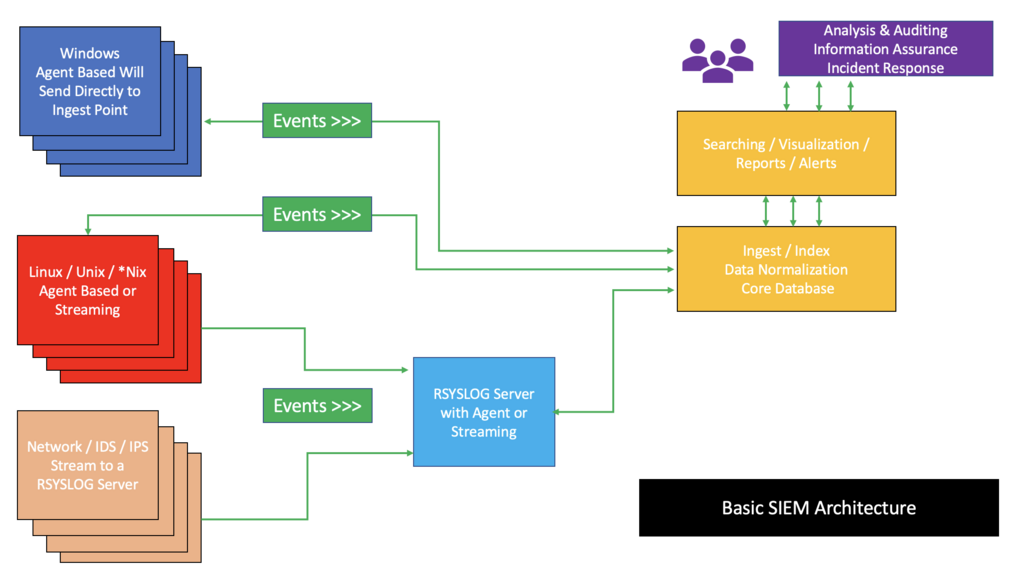
Connecting the Dots
A common misconception is that a tool like Sentinel replaces all other security products. In reality, it works best as an integration layer that makes existing tools smarter.
Organizations already have firewalls, antivirus software, and identity management systems. Sentinel doesn't get rid of them. Instead, it connects to them, pulling in their data to get a bigger picture. It uses built-in "data connectors" to easily link with hundreds of different products, both from Microsoft and other vendors.
For example, your firewall might block a suspicious connection, and your endpoint protection might flag a strange process on a laptop. Seen separately, these might seem like minor issues. But when Sentinel sees both alerts happening at the same time on the same network, it can correlate them and recognize a coordinated attack in progress. This comprehensive view is Sentinel's greatest strength.
By centralizing alerts and automating responses, Sentinel helps security teams cut through the noise and focus on what matters most: protecting the organization.