Mastering Microphone Effectiveness for Educators
Microphone Basics
Choosing Your Microphone
Not all microphones are created equal. The right one for your classroom or lecture hall depends entirely on how you plan to use it. Let's look at the most common types you'll encounter in an educational setting.
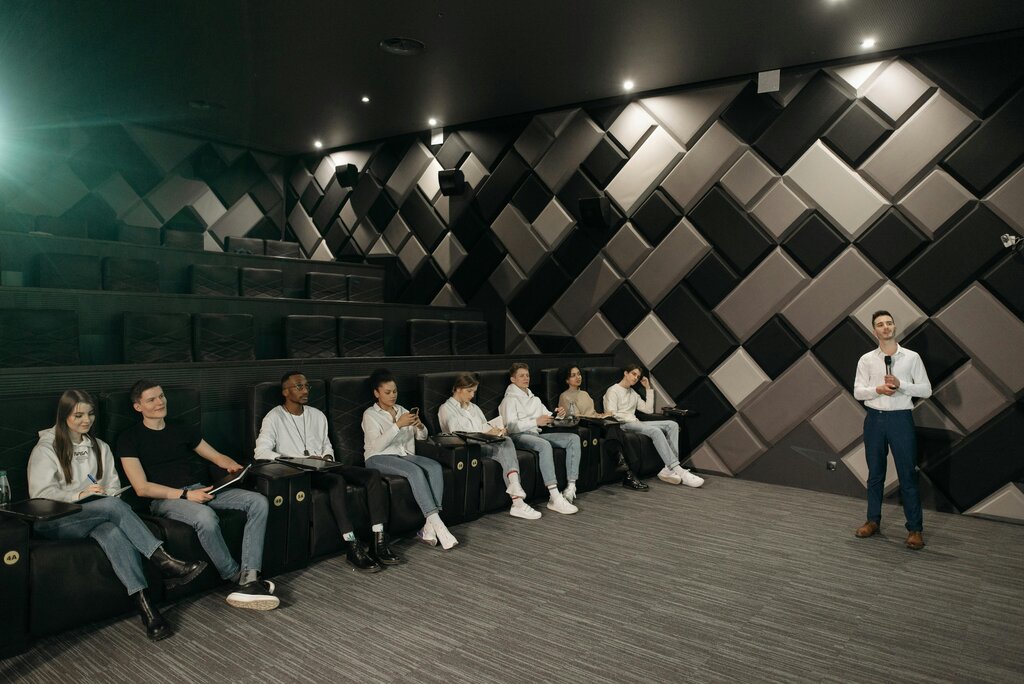
Handheld microphones are the classic choice for Q&A sessions. They're durable and easy to pass around a room, allowing students to ask questions and be heard clearly by everyone. Since they're held close to the mouth, they do a great job of picking up the speaker's voice while minimizing background noise.
Lapel microphones, also known as lavalier mics, are small devices that clip directly onto your clothing. They are fantastic for presenters who need to keep their hands free to write on a board, gesture, or operate a computer. They offer consistent sound levels even as you move around the stage or classroom.
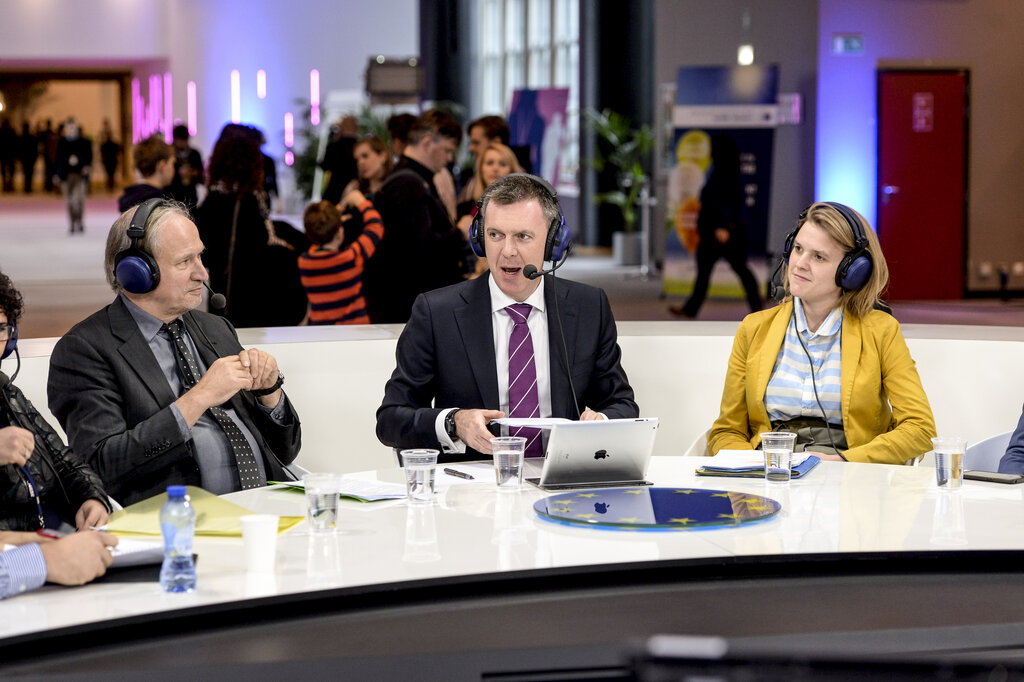
Headset microphones are a favorite for online teaching and language labs. Because the microphone is positioned at a fixed distance from your mouth, the audio remains clear and steady, no matter how you turn your head. This makes them ideal for interactive lessons where you need to communicate clearly and hear student responses.
Finally, podium microphones are fixed to a lectern or table. They are a staple in auditoriums and large lecture halls. While they restrict your movement, they provide excellent, reliable sound for formal presentations where the speaker remains in one spot.
| Microphone Type | Best For | Key Feature |
|---|---|---|
| Handheld | Q&A, group activities | Portability and durability |
| Lapel (Lavalier) | Hands-free presenting | Discreet and allows movement |
| Headset | Online classes, language labs | Consistent sound levels |
| Podium | Formal lectures, auditoriums | High-quality, stationary audio |
How the Sound Travels
Ever wonder how your voice gets from the microphone to the speakers? It follows a simple path. Whether the microphone is wired or wireless, the basic components work together to capture your voice, transmit it, and make it loud enough for everyone to hear.
A wireless system starts with a transmitter. For a lapel or headset mic, this is usually a small pack you clip to your belt. For a handheld mic, the transmitter is built right into the handle. Its job is to convert the sound into a radio signal.
Next, a receiver picks up this radio signal. The receiver is typically a small box connected to the sound system. It converts the radio signal back into an audio signal.
Finally, this audio signal goes to an amplifier. An amplifier does exactly what its name suggests: it boosts the signal's power. This strengthened signal is then sent to the speakers, projecting your voice clearly across the room.
Capturing the Right Sound
Getting clear audio isn't just about the type of microphone; it's also about how it listens. Two key concepts here are polar patterns and sensitivity.
A polar pattern is a map of a microphone's sensitivity. It shows you where the mic picks up sound most effectively and where it rejects it.
The two most common patterns you'll see are Cardioid and Omnidirectional.
A Cardioid pattern is heart-shaped. It's most sensitive to sound coming from directly in front of it and rejects sound from the sides and rear. This is perfect for a presenter because it focuses on their voice and minimizes background noise from the audience or the room.
An Omnidirectional pattern picks up sound equally from all directions. Think of it as a sphere of sensitivity. This is useful for recording a group discussion around a table, where you want to capture everyone's voice.
The other important factor is sensitivity. This refers to how well a microphone can convert sound pressure into an electrical signal. A more sensitive microphone can pick up quieter sounds or sounds from farther away. However, higher sensitivity isn't always better. In a noisy classroom, a less sensitive microphone held close to the speaker's mouth might produce clearer audio by ignoring distant chatter.
Understanding these basics will help you choose the right equipment and use it effectively, ensuring your message is always heard loud and clear.
A professor needs to move freely around a classroom, using a whiteboard and demonstrating concepts with their hands. Which microphone type would be most suitable?
In a wireless microphone system, what is the primary function of the transmitter?