Mastering Metric Conversions
Metric System Basics
A Universal Language for Measurement
Imagine trying to build something with a friend, but your ruler is in inches and theirs is in a totally different, made-up unit. It would be a mess. That's the problem the metric system was created to solve. Born out of the French Revolution, it was designed to be a logical, universal system of measurement that anyone, anywhere could use.
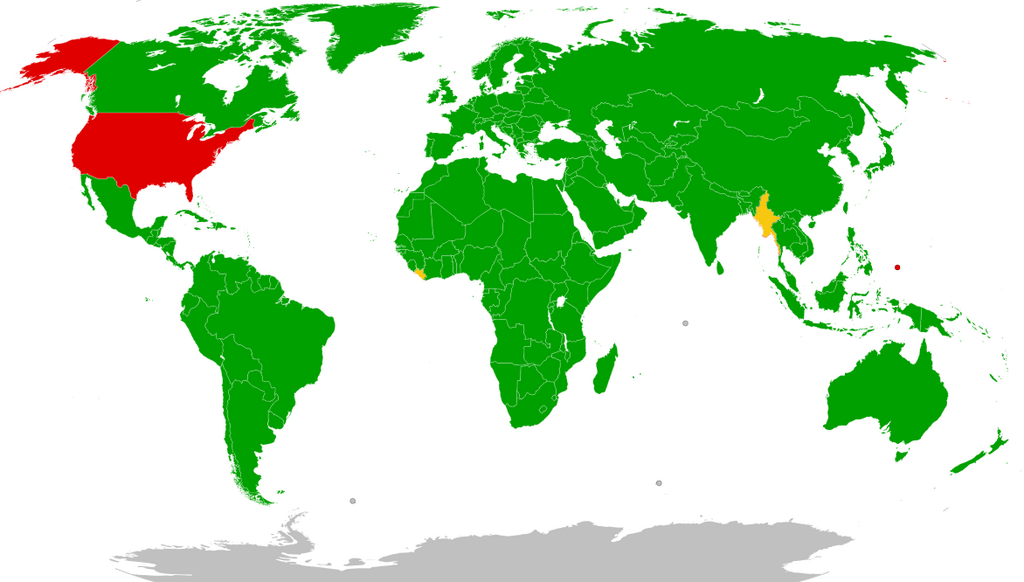
At its heart, the metric system is based on the number ten. All units are related by powers of ten, which makes calculations straightforward. Instead of remembering that there are 12 inches in a foot or 5,280 feet in a mile, you just move a decimal point. This simplicity is why it has become the standard for science, industry, and daily life in most of the world.
The Seven Building Blocks
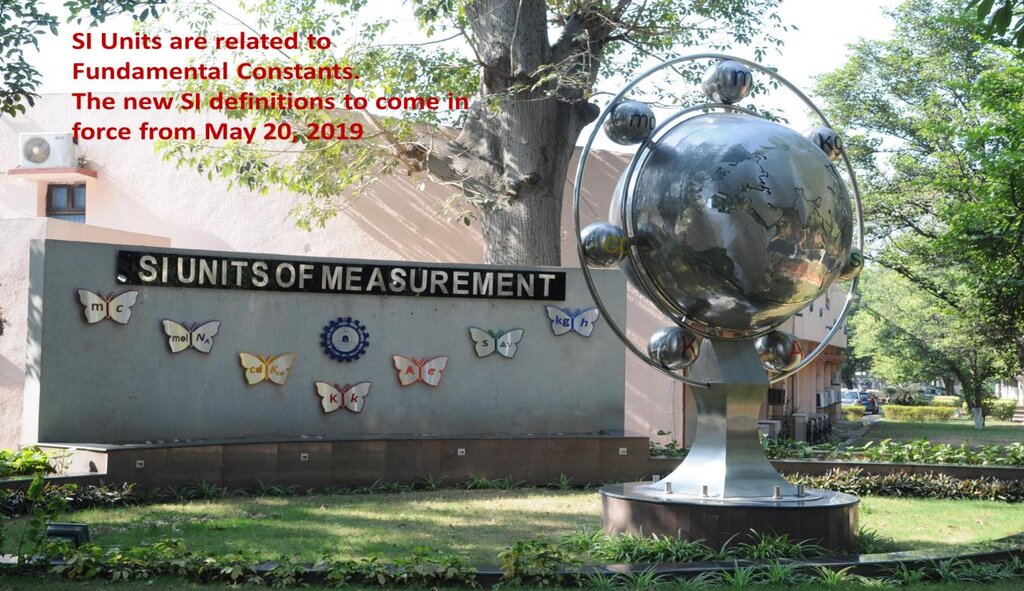
The entire metric system, officially known as the International System of Units (SI), is built upon seven fundamental units called base units. Every other unit, like a liter for volume or a watt for power, is derived from some combination of these seven.
Think of them as the primary colors of measurement. From these seven, we can mix and create any other measurement we might need. They provide a stable, consistent foundation for all of science and technology.
| Quantity | Unit Name | Symbol |
|---|---|---|
| Length | meter | m |
| Mass | kilogram | kg |
| Time | second | s |
| Electric Current | ampere | A |
| Temperature | kelvin | K |
| Amount of Substance | mole | mol |
| Luminous Intensity | candela | cd |
Let's quickly meet each one:
- Meter (m): The unit of length. A meter is a little longer than a yard, or about the height of a doorknob from the floor.
- Kilogram (kg): The unit of mass. It's important to remember this measures mass, not weight. A one-liter bottle of water has a mass of about one kilogram.
- Second (s): The familiar unit of time, which the metric system shares with other systems.
- Ampere (A): Measures electric current. It's a measure of how much electric charge is flowing through a circuit per second.
- Kelvin (K): The base unit of temperature. It's used most often in science. The Kelvin scale starts at absolute zero, the coldest possible temperature where all atomic motion stops.
- Mole (mol): Measures the amount of a substance at the atomic level. It's a way for chemists to count atoms and molecules in a sample.
- Candela (cd): Measures luminous intensity, or how bright a light source is in a specific direction. A common wax candle emits light with a luminous intensity of roughly one candela.
Why It Matters
Using a standardized system is critical. When scientists in Japan, Brazil, and Germany all use meters and kilograms, they can share and compare their results without confusion or costly conversion errors. International trade relies on this shared understanding to ensure products are made to the correct specifications.
This global standard simplifies things for everyone. It creates a common language for measurement, making collaboration, commerce, and communication seamless across borders.
Help them understand that different units are used for various purposes and in different parts of the world.
By starting with these seven base units, the metric system provides a powerful and coherent framework for understanding the world. They are the bedrock upon which all other measurements are built.