Mastering Metasploit for Penetration Testing
Introduction to Penetration Testing
What Is Penetration Testing?
Penetration testing, or pen testing, is a simulated cyberattack against your computer system to check for exploitable vulnerabilities. Think of it like hiring a professional to try and break into your house. They'll check the locks, windows, and alarm system to find weak spots you might have missed. The goal is to find and fix those security holes before a real intruder does.
Penetration testing, also known as pen testing, is a type of offensive security assessment that involves simulating a real-world cyber attack on an organization’s systems and infrastructure.
This process is also called "ethical hacking." The testers, or ethical hackers, use the same tools and techniques as malicious attackers but with one key difference: they have permission. Their work helps organizations strengthen their defenses by providing a clear picture of how a real attack might unfold.
The Rules of Engagement
The line between ethical hacking and illegal activity is authorization. A penetration test is always conducted with the explicit, written permission of the organization being tested. Without it, the activity is a crime.
Before any test begins, both parties agree on a "scope." This is a formal document that outlines the rules of engagement. The scope defines what systems can be tested, what techniques are allowed, and the timeframe for the assessment. It ensures the test focuses on the organization's biggest concerns without causing unintended damage to critical operations.
For example, the scope might permit attempts to access a specific database but prohibit actions that could take the company's public website offline.
Types of Pen Tests
Penetration tests are categorized by how much information the tester has at the start. This simulates different kinds of real-world attackers.
| Test Type | Tester's Knowledge | Simulates... |
|---|---|---|
| Black-Box | None | An external attacker with no prior knowledge of the system. |
| White-Box | Complete | An insider threat, like a disgruntled employee with full access. |
| Gray-Box | Limited | An authenticated user or an attacker who has breached the perimeter. |
In a black-box test, the ethical hacker starts from scratch, just like an outside attacker would. In a white-box test, they have full access to source code, diagrams, and credentials. This allows for a much deeper and more thorough audit. Gray-box testing is a hybrid approach, providing the tester with some information, like a standard user account, to see how much damage they can do from that position.
The Five Phases
A typical penetration test follows a structured methodology. While the exact steps can vary, they generally fall into five distinct phases that mirror the progression of a real attack.
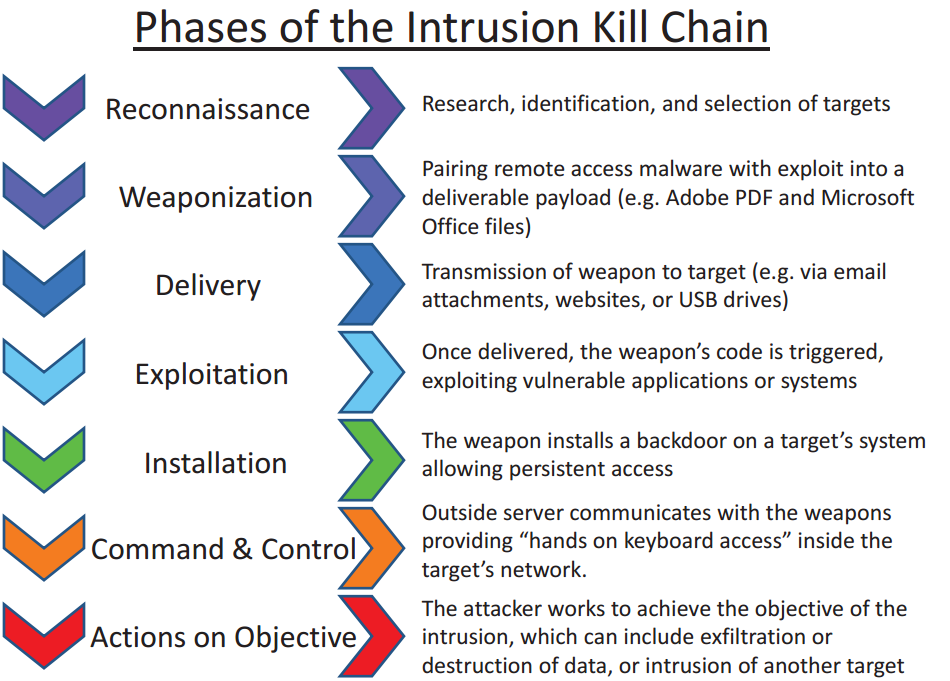
1. Reconnaissance This is the information-gathering phase. The tester scours public sources—company websites, social media, public records—to learn about the target. They look for employee names, email formats, and technologies the company uses. The goal is to build a map of the organization's digital footprint.
2. Scanning Next, the tester uses tools to actively scan the target's networks and applications. They're looking for open ports, running services, and known vulnerabilities. This phase is about identifying potential entry points.
3. Gaining Access (Exploitation) Here, the ethical hacker attempts to exploit the vulnerabilities found during scanning to gain access to the system. This could involve using a software exploit to take control of a server or tricking an employee with a phishing email.
4. Maintaining Access (Post-Exploitation) Once inside, the goal is to see how deep they can go. The tester may try to escalate their privileges to gain administrator-level control, move laterally to other systems on the network, and identify sensitive data. This phase demonstrates the potential business impact of a breach.
5. Reporting Finally, the tester documents all their findings in a detailed report. This includes the vulnerabilities they discovered, the methods used to exploit them, and the sensitive data they were able to access. Crucially, the report also provides clear, actionable recommendations for fixing the security weaknesses.
Now, let's test your understanding of these foundational concepts.
What is the primary goal of a penetration test?
What is the single most important factor that distinguishes ethical hacking from a criminal act?