Mastering Mental Models
Introduction to Mental Models
The Maps Inside Our Heads
Think about how you navigate your daily life. You know how a door opens, how to order coffee, or how to have a conversation. You aren't figuring these things out from scratch every time. You're using mental models.
A mental model is your internal representation of how something works in the outside world. It's a simplified map of a complex reality, a blueprint in your mind that helps you understand, predict, and interact with your environment.
A mental model is simply an explanation of how something works.
These models aren't perfect or complete, just like a subway map isn't a perfect representation of a city. The map leaves out streets, buildings, and parks. But it's useful because it simplifies reality, showing you only what you need to know to get from one station to another.
Our minds do the same thing. We create and use models for everything from the law of supply and demand to the social dynamics at a party. They are the software we run to make sense of the world.
A Quick History of the Idea
The idea isn't new. In 1943, a Scottish psychologist named Kenneth Craik published a book called The Nature of Explanation. He suggested that the mind constructs “small-scale models” of reality to anticipate events and make decisions.
Craik's idea was ahead of its time. It wasn't until the cognitive revolution of the 1970s and 1980s that researchers really began to explore the concept. Psychologists like Philip Johnson-Laird and Dedre Gentner expanded on the theory, showing how mental models are fundamental to human reasoning, comprehension, and problem-solving.
They demonstrated that when we read a sentence, listen to an explanation, or try to solve a puzzle, we are actively building a working model of the situation in our minds.
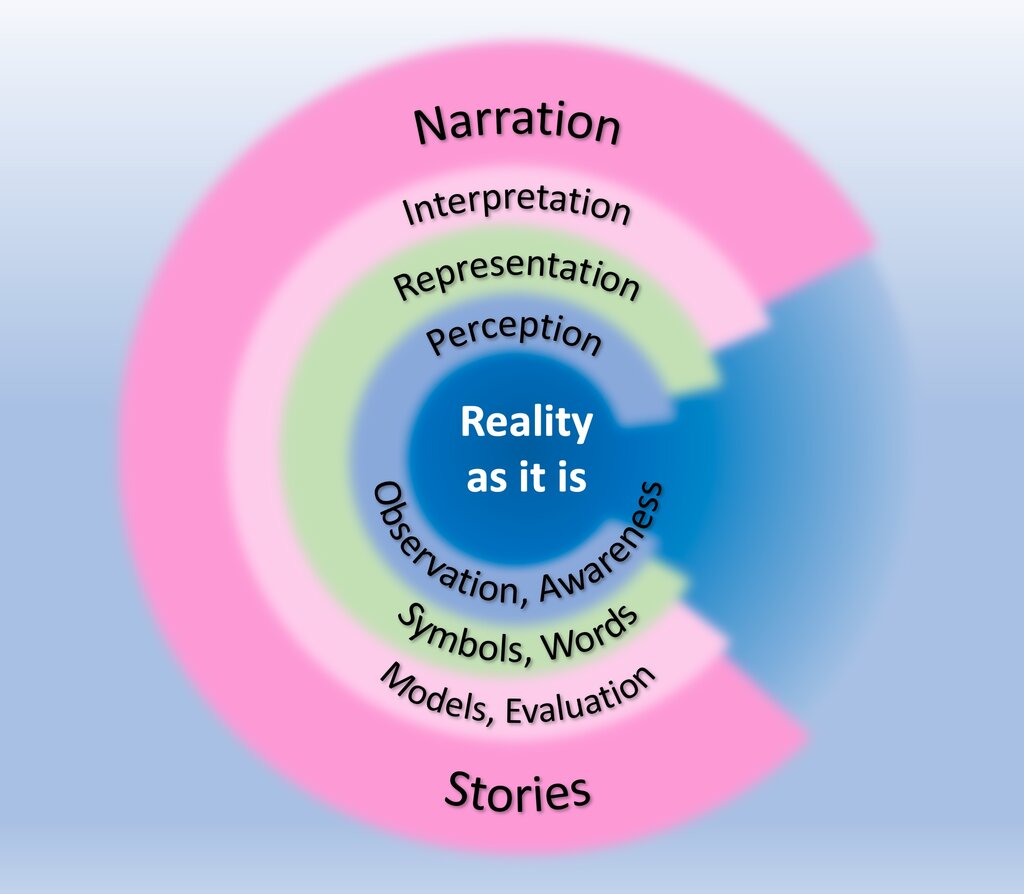
Models Shape Our Actions
Mental models are powerful because they directly influence our behavior. If your mental model of a dog is that it's a friendly companion, you'll likely approach one with an open hand. If your model is that it's a dangerous animal, you'll probably keep your distance. The external reality—the dog—is the same, but your internal model dictates your response.
This is why they are so crucial for decision-making and problem-solving. When you face a new problem, you instinctively search for a mental model that fits. Is this business problem like a game of chess, requiring strategy, or is it like tending a garden, requiring patience and nurturing?
The model you choose shapes how you see the problem and what solutions you consider. A limited or flawed model can lead to poor decisions, because it blinds you to important information or better options. Conversely, having a rich and diverse set of mental models is like having a toolkit full of different problem-solving instruments.
If your model is wrong, your conclusions will be wrong, no matter how intelligent you are.
By understanding that we think in models, we can start to examine our own. Are they accurate? Are they useful? Are there better ones available? This self-awareness is the first step toward clearer thinking and better navigating the world.
According to the text, what is a mental model?
The text uses a subway map as an analogy for a mental model to illustrate that mental models are: