Mastering Mental Models
Introduction to Mental Models
What are Mental Models?
Your brain is constantly trying to make sense of a complex world. To do this, it creates shortcuts—simplified representations of how things work. These internal pictures are called mental models.
A mental model is simply an explanation of how something works.
Think of a mental model as a map. A map of a city isn't the city itself. It leaves out countless details like specific buildings, trees, and people. But it gives you a useful framework to navigate. It shows you the relationships between streets and landmarks, helping you get from one point to another.
Mental models do the same for our thinking. They are the invisible frameworks that shape how we reason, how we understand cause and effect, and how we see the world. They aren't reality, but they are our personal maps of reality.
These models aren't just for navigating cities. They help us understand everything from how a car engine works to how to have a difficult conversation. A good mental model makes you smarter. A flawed one can lead you astray.
Origins and Influence
The idea of mental models comes from cognitive psychology. In 1943, psychologist Kenneth Craik proposed that the mind creates "small-scale models" of reality to anticipate events and make decisions. This concept helped explain how humans can think through future possibilities without having to physically test every option.
This internal simulation is constantly running. When you decide whether to bring an umbrella, you're using a mental model of weather. You consider the clouds, the forecast, and past experiences to predict the likelihood of rain. This process is automatic and often unconscious.
Your mental models dictate how you perceive the world. They act as filters for information, highlighting what seems important and ignoring what doesn't fit your existing framework.
If your mental model of success is based solely on wealth, you might overlook opportunities for personal growth or meaningful relationships. If you believe people are fundamentally untrustworthy, you might interpret a friendly gesture as a manipulative tactic. Our models directly influence our perceptions and, as a result, our behavior.
Models in Action
Mental models are not just abstract psychological concepts; they are practical tools we use every day across many areas:
| Domain | How Mental Models Are Used |
|---|---|
| Reasoning | To understand cause-and-effect relationships and draw logical conclusions. |
| Explanation | To make sense of why something happened or how a complex system works. |
| Design | To create products and systems that are intuitive for users to understand and operate. |
| Communication | To package information in a way that the other person can easily build their own accurate model. |
| Action | To plan and execute tasks, from cooking a meal to negotiating a business deal. |
| Prediction | To forecast future outcomes based on the current state of a system. |
| Exploration | To form hypotheses about unfamiliar situations and guide learning. |
For example, when an engineer designs a bridge, she uses mental models from physics and materials science to understand how forces like tension and compression will affect the structure. When a doctor diagnoses an illness, he uses mental models of human biology and disease to connect symptoms to a cause. They are using specialized maps to navigate their specific challenges.
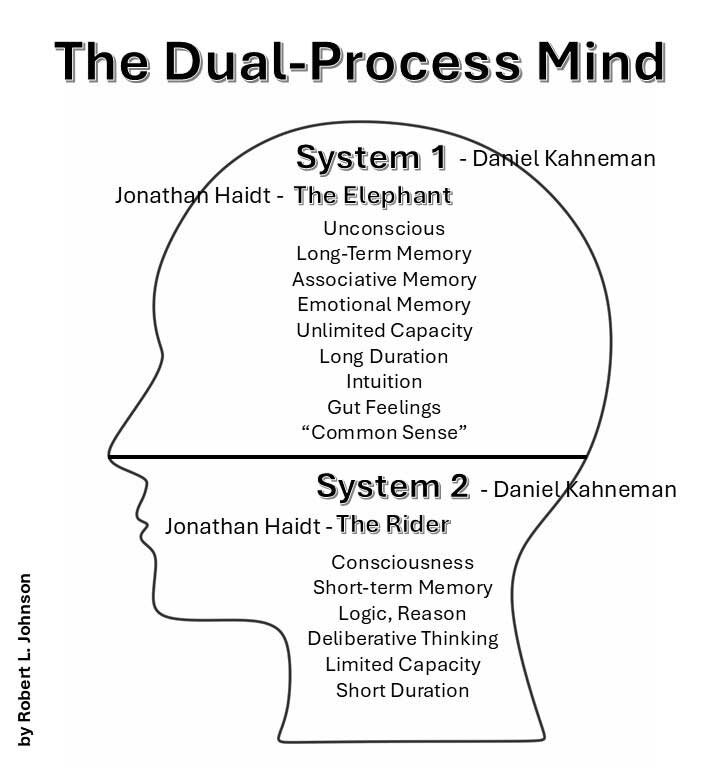
By becoming aware of your own mental models, you can start to evaluate them. Are they accurate? Are they useful? Or are they limiting your ability to see the world clearly? Recognizing that your view is just one model among many is the first step toward clearer thinking and better decision-making.
Ready to check your understanding?
What is the best analogy for a mental model, as described in the text?
According to psychologist Kenneth Craik, why does the mind create "small-scale models" of reality?
Understanding what mental models are provides a foundation for improving how you think. The next step is to start building a collection of useful models from different fields.