Mastering Memory with Spaced Repetition
Understanding Memory
The Three Jobs of Memory
Memory isn't a single thing, like a filing cabinet in your brain. It's a complex process that allows us to learn from the past and navigate the present. This process can be broken down into three main jobs: encoding, storage, and retrieval.
Encoding - initial learning of information🔸 Storage - retaining of information in long-term memory🔸 Retrieval - access and use of encoded and stored information
Encoding is the first step. It's how your brain translates incoming information into a form it can understand and store. Think of it like typing a document and saving it on a computer. You take sights, sounds, and feelings and convert them into a neural code. The more attention you pay to something, the more deeply it gets encoded.
Storage is the next stage. Once encoded, information needs to be held onto for later use. This is like the 'save' function. Some memories are stored for only a few seconds, while others can last a lifetime.
Finally, retrieval is the process of accessing stored information. When you remember a friend's name or the capital of France, you're retrieving that data from your memory stores. This is like opening the saved document on your computer.
Memory's Storage System
Just as a computer has both RAM and a hard drive, our minds have different types of memory storage. These are typically modelled as three distinct stages that information passes through.
Sensory memory is the briefest stage. It's an ultra-short-term buffer that takes in information from your senses. For a fleeting moment—a fraction of a second for sights, a few seconds for sounds—your brain holds onto a raw, unprocessed sensory snapshot. Most of this information is immediately discarded.
If you pay attention to a piece of sensory information, it moves into short-term memory, also known as working memory. This is your mental workspace. It holds a small amount of information (typically around 7 items) for a short period (about 20-30 seconds). This is the memory you use when you look up a phone number and hold it in your head just long enough to dial it. If you don't actively work to keep the information here through rehearsal or repetition, it quickly fades.
Without attention, information from our senses never makes it into short-term memory. It's the gatekeeper of what we consciously process.
For information to last, it needs to be transferred to long-term memory. This is the vast, durable storage system for your knowledge, skills, and experiences. The capacity of long-term memory is practically limitless, and memories stored here can last for years. The transfer from short-term to long-term memory happens through processes like rehearsal and, more effectively, by linking new information to existing knowledge.
Why We Forget
Forgetting isn't a failure of your memory system; it's a normal and even useful feature. It helps clear out irrelevant information to make room for what's important. Several factors contribute to forgetting.
Encoding failure is one of the most common reasons. Sometimes, information never makes it into long-term memory in the first place. This often happens due to a lack of attention. If you can't remember where you put your keys, it's likely you weren't paying attention when you set them down.
Memories can also simply decay over time. The neural pathways associated with a memory can weaken if they aren't used. It's the classic 'use it or lose it' principle.
Another major factor is interference. Sometimes, other memories get in the way of what you're trying to recall. This can happen when old information makes it hard to remember new information (proactive interference) or when new information makes it hard to recall old information (retroactive interference).
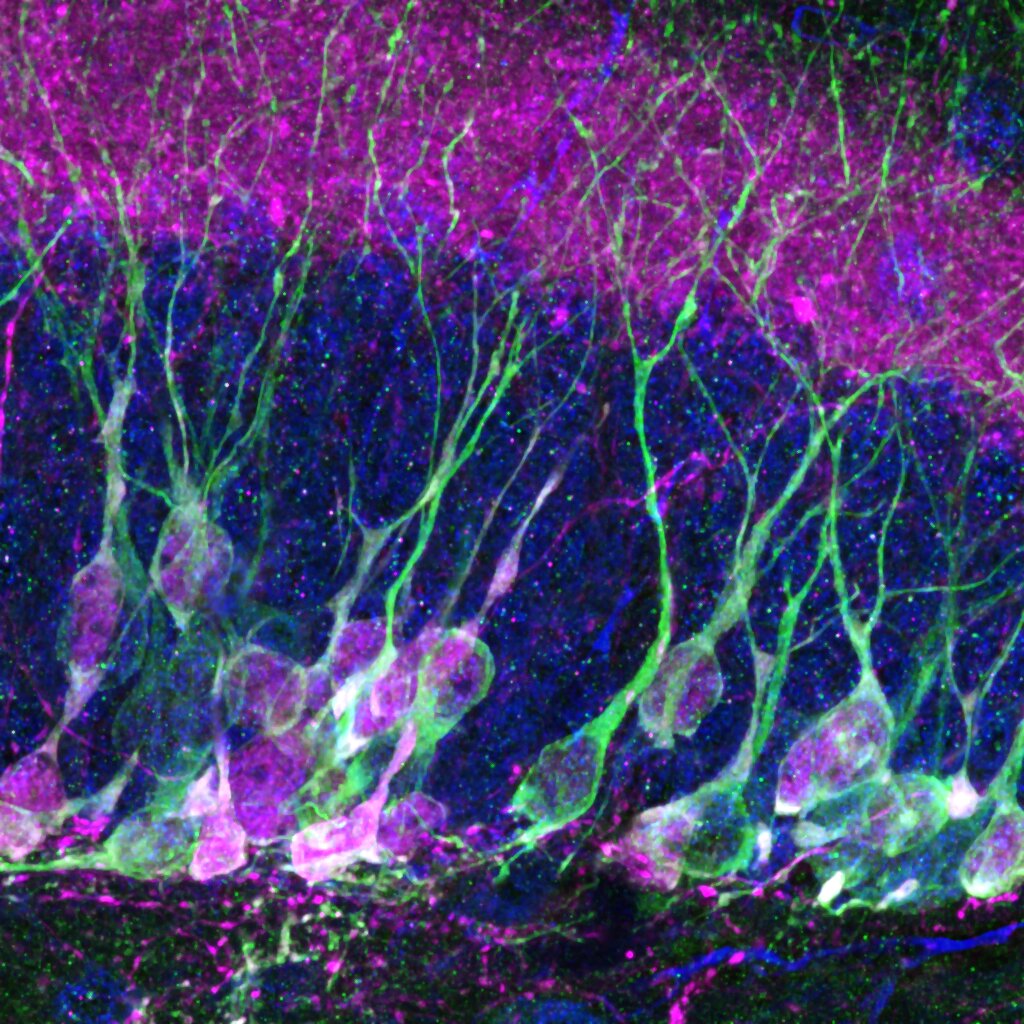
Our emotional state also plays a significant role. Strong emotions can sear events into our memory, but stress and anxiety can disrupt the encoding and retrieval processes, making it harder to learn and recall information. On the other hand, getting enough sleep is crucial for memory consolidation—the process where recent memories are firmed up and integrated into your long-term storage.
Understanding these basic mechanics of memory is the first step toward improving how we learn and remember.