Mastering Memory Contest Techniques
Introduction to Memory Techniques
Why Memory Matters
Your memory is working all the time. It helps you recall a friend's name, follow a recipe, or learn a new skill for your job. We often think of memory as a fixed trait—either you have a good one or you don't. But that’s not really true. Memory is more like a muscle. With the right training, you can make it significantly stronger.
This idea is put to the ultimate test in memory competitions. In these events, people perform incredible feats, like memorizing the order of multiple decks of cards in minutes or recalling hundreds of random numbers. These competitors aren't born with superhuman brains. They've simply mastered specific techniques to encode and retrieve information efficiently.
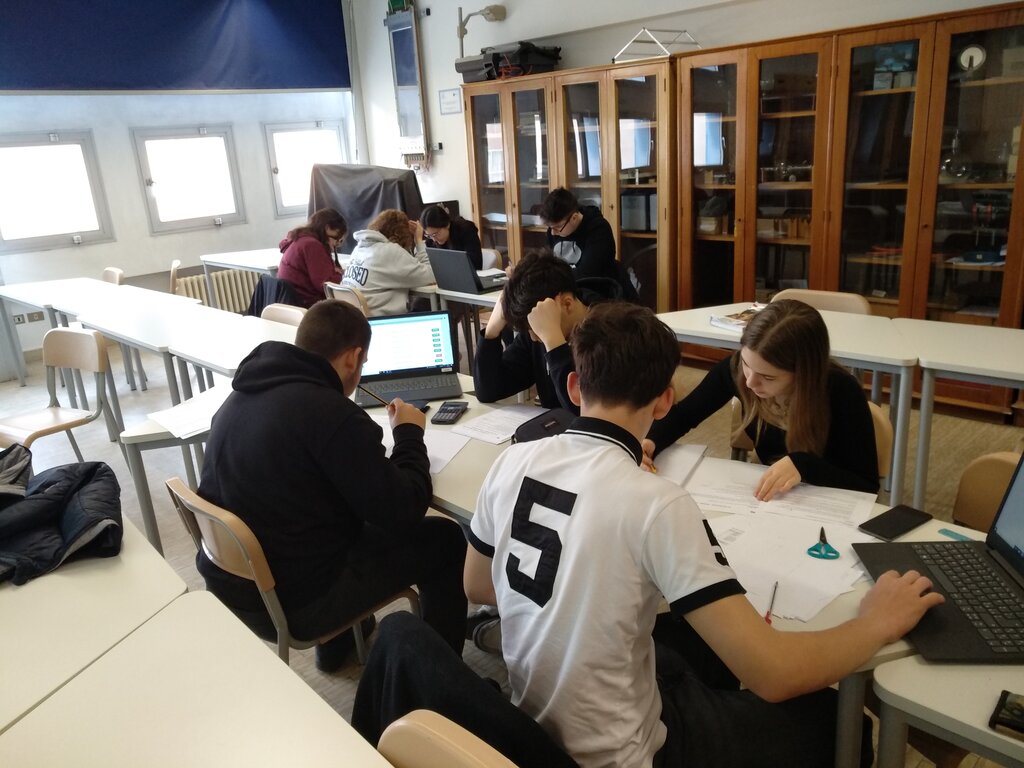
Whether you want to remember names at a party or compete on a world stage, the same foundational principles apply. It all starts with learning how to work with your brain, not against it.
A Toolbox for Your Brain
The secret to a powerful memory isn't just trying harder to remember; it's about using strategies to make information more meaningful and easier to recall. These strategies are called mnemonics.
Mnemonic
noun
A technique a person can use to help them improve their ability to remember something. In other words, it's a memory aid.
Mnemonics work by converting information from a format that's hard for your brain to hold onto into a format that's easy. They often use patterns, images, stories, or rhymes. Think of them as a set of tools you can use for any memory challenge.
Some common types of mnemonic strategies include:
- Acronyms & Acrostics: Creating a word or sentence from the first letter of each item in a list.
- Rhymes: Using a catchy rhyme to make facts stick.
- Chunking: Grouping long strings of information into smaller, manageable chunks.
- Visualization & Association: Creating vivid mental images and linking them to the information you want to remember.
For example, many people remember the colors of the rainbow using the acrostic "Richard Of York Gave Battle In Vain" (Red, Orange, Yellow, Green, Blue, Indigo, Violet).
Benefits Beyond Recalling Facts
Training your memory does more than just help you ace a test or remember a grocery list. The process of using mnemonic techniques strengthens other cognitive skills. When you create vivid mental images or craft stories to link concepts, you're exercising your imagination and creativity.
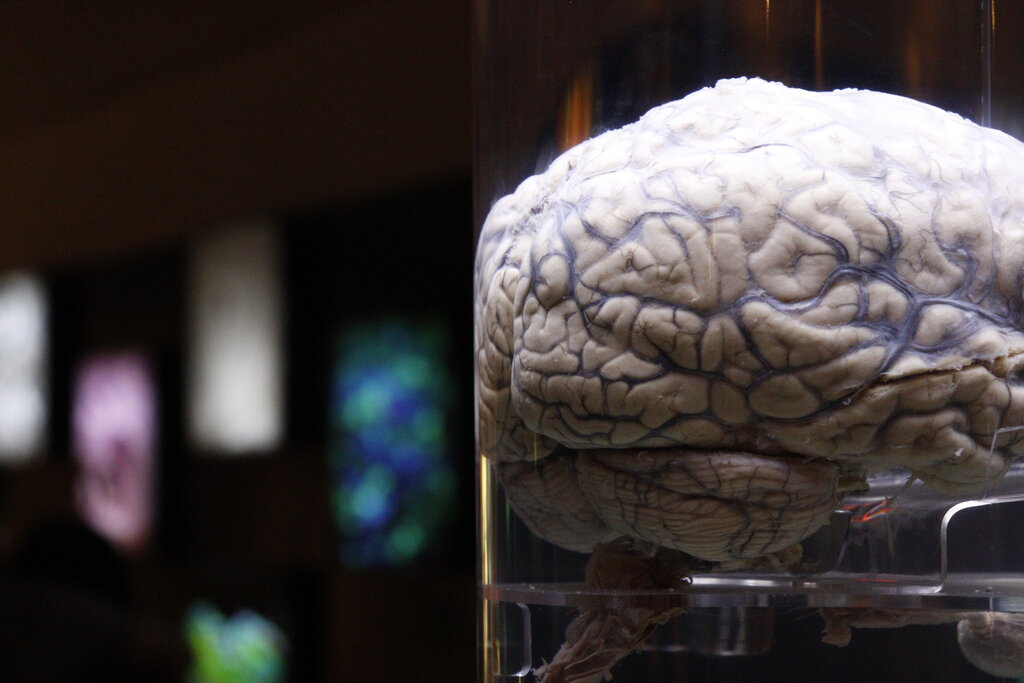
This kind of mental workout can lead to improved focus, as you learn to pay closer attention to details to encode them effectively. It also boosts problem-solving skills, as you get better at seeing connections and patterns in new information. These benefits can ripple out into all areas of your life, from learning a new language to being more present and observant in your daily interactions.
| Benefit | How It Helps |
|---|---|
| Improved Focus | Training requires you to pay close attention. |
| Enhanced Creativity | You invent stories and images to link ideas. |
| Better Retention | Information sticks around for the long term. |
| Increased Confidence | You trust your ability to learn and recall new things. |
Ready to see what you've learned about the fundamentals of memory? Let's check your understanding.
What is the main idea presented about human memory?
What is the primary function of a mnemonic device?
Understanding these core ideas is the first step. With this foundation, you can begin to explore and apply specific techniques to unlock your memory's full potential.