Mastering Mehndi Art Traditions
History and Chemistry
From Ancient Ritual to Modern Art
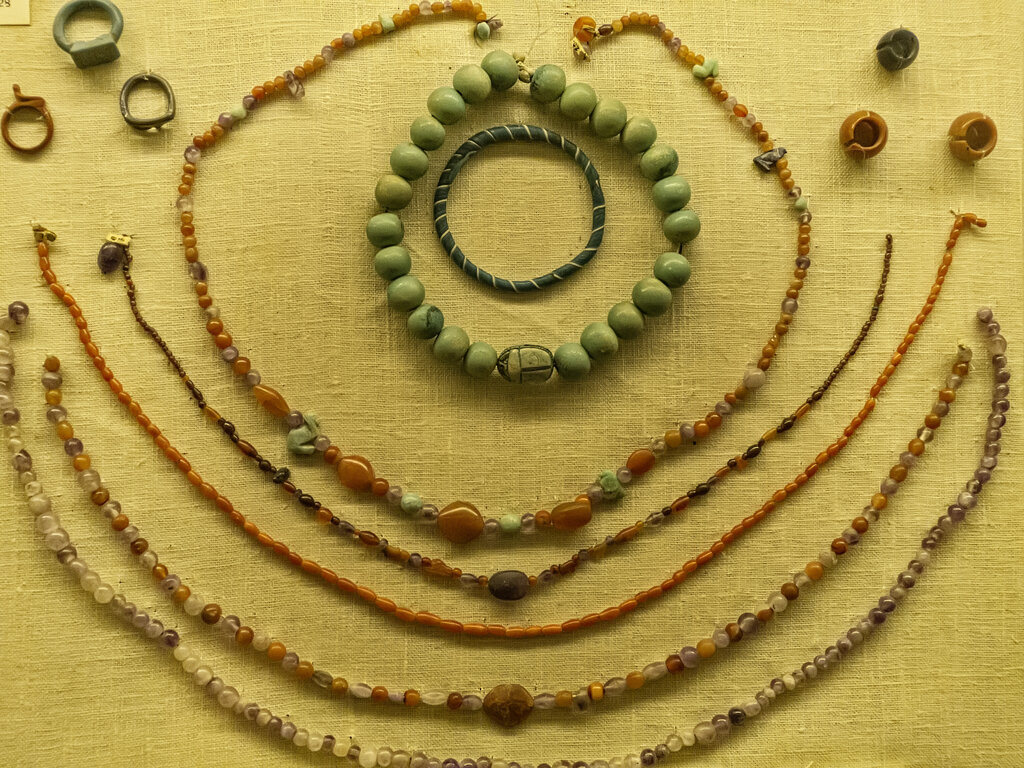
The art of henna, or Mehndi, is a tradition stretching back at least 5,000 years. Its journey begins not in South Asia, where it is most famous today, but in ancient Egypt. Pharaohs were adorned with henna for their journey into the afterlife. The practice gradually migrated across continents, carried along trade routes through the Middle East and North Africa before becoming deeply embedded in the cultural fabric of the Indian subcontinent by the 12th century.
This tradition comes from a single plant: Lawsonia inermis. This small flowering shrub thrives in hot, arid climates. The dye molecule responsible for the rich, reddish-brown stain is found in its leaves. Harvesting involves drying these leaves and grinding them into a fine powder. The quality of this powder, and thus the final paste, depends heavily on the plant's growing conditions and the freshness of the harvest.
The Chemistry of the Stain
The magic of henna lies in a specific molecule: 2-hydroxy-1,4-naphthoquinone, commonly known as lawsone The leaves of the henna plant are crushed and mixed with a mildly acidic liquid, like lemon juice or strong tea. This process is crucial because it helps release the lawsone molecules from the plant cells, making them available for dyeing.
When henna paste is applied to the skin, the lawsone molecules migrate from the paste into the outermost layer of the epidermis, the stratum corneum. This layer is primarily composed of a protein called keratin The lawsone molecule has a strong affinity for keratin and binds directly to it through a process called a Michael addition. This creates a permanent stain on those skin cells. Because the skin cells themselves are stained, the henna design only fades as your body naturally exfoliates and replaces the top layer of skin, a cycle that typically takes one to three weeks.
The stain doesn't sink deep into your skin. It binds only to the dead skin cells at the surface. As you shed these cells, the design fades.
Natural vs. Synthetic Henna
Authentic, natural henna paste is never black. It creates a stain that ranges from orange to a deep mahogany, depending on the person's skin, the quality of the henna, and aftercare. The paste itself is greenish-brown when wet.
So-called "black henna" is a dangerous counterfeit. It achieves its dark color by adding a synthetic chemical dye called p-Phenylenediamine, or . This substance is a potent allergen and is not approved for direct skin application by health authorities like the FDA. Reactions can range from mild dermatitis to severe blistering, chemical burns, and permanent scarring.
| Feature | Natural Henna | 'Black' Henna (with PPD) |
|---|---|---|
| Color on Skin | Orange to deep reddish-brown | Jet black |
| Drying Time | Several hours | Less than an hour |
| Key Ingredient | Lawsonia inermis (lawsone) | p-Phenylenediamine (PPD) |
| Scent | Earthy, hay-like | Chemical, acrid |
| Safety | Generally safe for skin | High risk of burns, scarring, and allergic reaction |
Avoid henna that appears too brown or black, as it may contain harmful chemicals like PPD (p-Phenylenediamine).
Knowing the source and composition of your henna paste is the single most important aspect of practicing this art form safely. Always prioritize natural, freshly made paste from a reputable artist or supplier.
Ready to test your knowledge?
The tradition of using henna for body art first began in which ancient civilization?
The lawsone molecule in henna creates a stain by binding to which protein found in the outer layer of your skin?
Understanding the science behind henna ensures not only beautiful results but also a safe experience for everyone involved. It connects a modern artistic practice to its ancient roots and the biology of the natural world.