Mastering Meeting Preparation and Delivery
Understanding Meeting Fundamentals
Start with the Why
Every successful meeting starts with a clear purpose. Without one, you're just gathering people in a room to talk. Think of it like a road trip. You wouldn't just start driving without a destination in mind. A meeting objective is your destination. It's the specific, tangible outcome you want to achieve by the end of the conversation.
A meeting without a clear objective is a conversation hoping for a conclusion.
Your objective should be an action, not just a topic. For instance, instead of an objective like “Discuss the new website design,” aim for something more concrete: “Decide on the final color palette for the new website.” The first is a vague discussion; the second is a clear decision-making goal. A strong objective tells everyone why their presence is necessary and what they are working towards together.
Your Meeting Roadmap
If the objective is your destination, the agenda is your map. A well-structured agenda guides the conversation, ensures all critical points are covered, and keeps everyone on the same page. It transforms a potentially chaotic discussion into a focused, productive session.
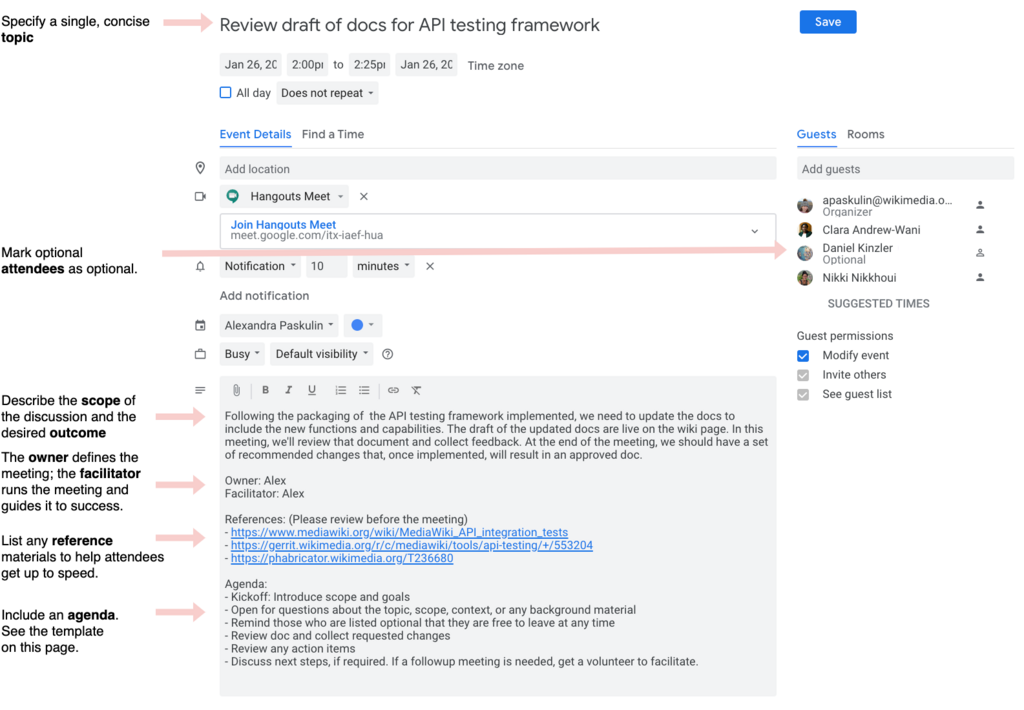
A good agenda isn't just a list of topics. It should also include a time estimate for each item and specify who is leading that part of the discussion. This allocation of time is crucial. It forces you to prioritize and be realistic about what can be accomplished. Always send the agenda out at least 24 hours in advance so attendees can come prepared to contribute.
| Topic | Lead | Time Allotted |
|---|---|---|
| Review of Q1 Sales Data | Sarah | 10 mins |
| Brainstorm Q2 Initiatives | All | 20 mins |
| Select Top 3 Initiatives | All | 15 mins |
| Assign Action Items & Deadlines | Mark | 5 mins |
When building the agenda, prioritize ruthlessly. Place the most important items, especially those requiring key decisions, at the beginning of the meeting. This ensures they get the attention they deserve when energy and focus are at their peak.
Everyone Has a Part to Play
Meetings are a team sport, and every player has a position. Assigning clear roles helps distribute the workload and keeps the meeting running smoothly. Without defined roles, important tasks like keeping time or taking notes can fall through the cracks.
Assign roles. A meeting facilitator ensures discussions stay on track, a note-taker captures key points, and an IT specialist troubleshoots any technical issues.
Let's look at the key players:
- Facilitator: This person guides the discussion, sticks to the agenda, and makes sure everyone has a chance to speak. They are the neutral guide, not the main speaker.
- Note-taker: Their job is to document key discussion points, decisions made, and action items assigned. These notes create a record and ensure accountability.
- Timekeeper: This person keeps an eye on the clock and gently notifies the group when it's time to move to the next agenda item.
- Participant: Every attendee is a participant. Their role is to arrive prepared, listen actively, and contribute thoughtfully to the discussion.
Keeping Engagement High
A great plan is only half the battle. The other half is ensuring participants are actively engaged. Engagement doesn't happen by accident; it's cultivated. The facilitator plays a huge role here, but everyone can contribute to an interactive environment.
One simple technique is to ask open-ended questions. Instead of asking, “Does everyone agree?” try asking, “What are the potential challenges with this approach?” This invites deeper thinking and more diverse viewpoints.
Another strategy is to build interaction directly into the agenda. Schedule a brief brainstorming session or a quick round-robin where each person shares their thoughts on a topic for one minute. This breaks up long periods of listening and ensures all voices are heard.
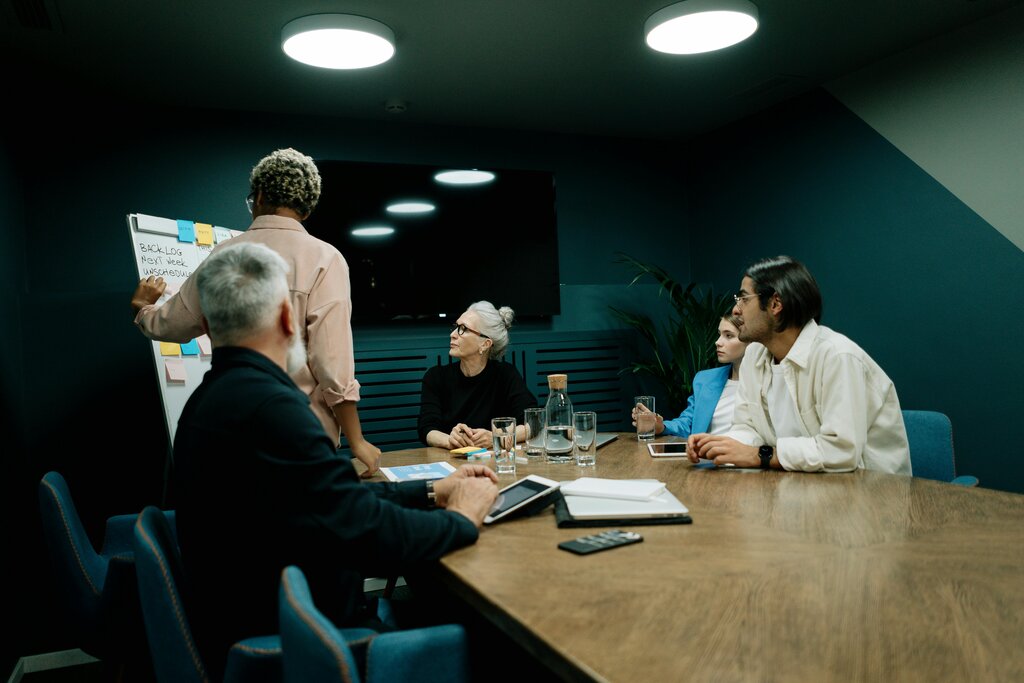
Time management is also key to engagement. Sticking to the allotted times shows respect for everyone's schedule. If a discussion is running long, the facilitator can suggest taking it offline or scheduling a follow-up meeting with only the necessary people. Starting and ending on time builds trust and makes people more willing to participate in future meetings.
Which of the following is the most effective meeting objective?
According to best practices, when is the ideal time to distribute a meeting agenda to attendees?
By focusing on these fundamentals—a clear purpose, a solid roadmap, defined roles, and active engagement—you can transform your meetings from time-wasters into powerful tools for collaboration and progress.