Mastering Medical Systematic Reviews
Clinical Research Foundations
The Foundation of Evidence
In medicine, not all evidence is created equal. Some research provides a stronger foundation for clinical decisions than others. Think of it like a pyramid: the most reliable, comprehensive forms of evidence sit at the top, while individual observations are at the bottom. This concept is often called the and it's central to evidence-based practice.

The goal is to base patient care on the highest level of evidence available. When you're facing a clinical question, you could rely on a single study. But what if another study on the same topic shows conflicting results? This is a common problem. Instead of trying to decide which individual study is right, you can turn to research that synthesizes all the available evidence.
Synthesizing evidence means collecting, appraising, and combining results from multiple studies to get a clearer, more reliable answer.
Narrative vs. Systematic Reviews
Review articles summarize existing research, but they come in two very different forms: narrative and systematic.
A narrative review is like a story told by an expert. The author selects studies they believe are important and weaves them into a summary. While often insightful, this approach can be subjective. The author might consciously or unconsciously select studies that support their own viewpoint, leaving out conflicting evidence. There's no transparent recipe for how the studies were chosen, making it impossible for another researcher to replicate the process.
A systematic review, on the other hand, is a research project in itself. It follows a strict, predefined protocol to answer a specific clinical question. The process is transparent and reproducible. Researchers design a comprehensive search strategy to find all relevant studies on a topic, both published and unpublished. They set clear criteria for which studies to include or exclude before they even begin.
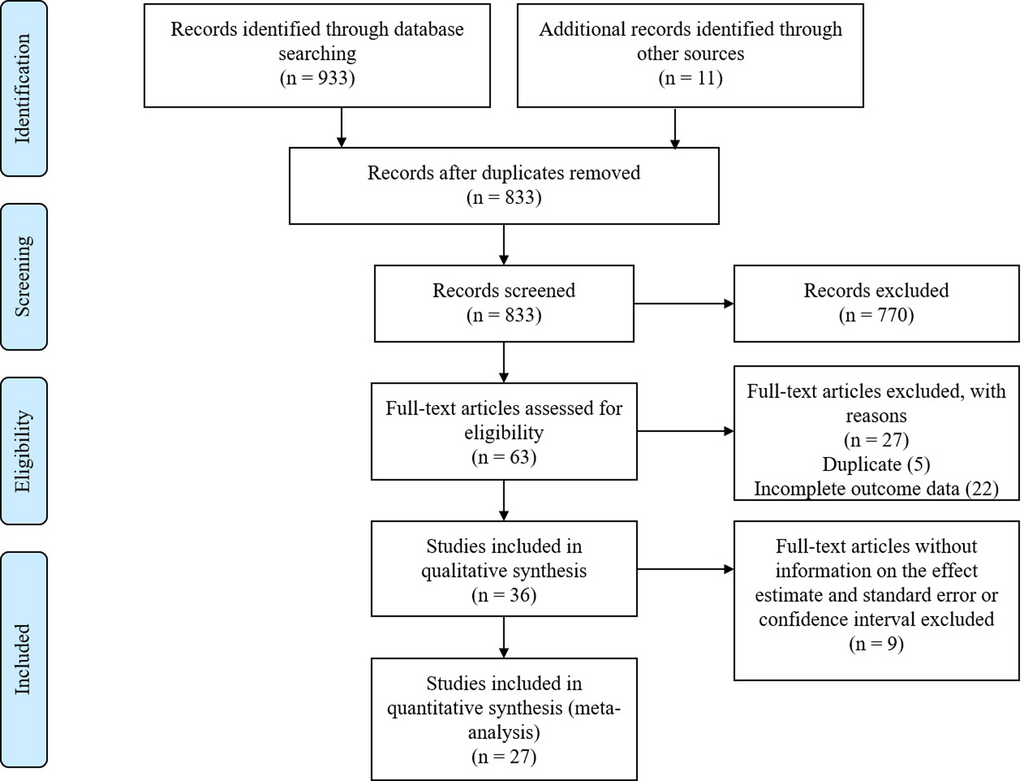
This structured approach minimizes bias. The goal is to present a complete, unbiased picture of the existing evidence. To ensure transparency, most systematic reviews follow guidelines like (Preferred Reporting Items for Systematic Reviews and Meta-analyses), which dictate how the review should be planned, conducted, and reported.
Adding Up the Numbers
Some, but not all, systematic reviews take one final step: a meta-analysis. This is where things get statistical. A meta-analysis pools the quantitative data from the individual studies selected in the systematic review to calculate a single, combined result.
meta-analysis
noun
A statistical procedure for combining data from multiple studies. When the treatment effect is consistent from one study to the next, meta-analysis can be used to identify this common effect.
Imagine five different clinical trials testing a new drug. Each trial has a small number of patients, and their results are slightly different. One might show a large benefit, another a small one, and a third might be inconclusive. By statistically combining them in a meta-analysis, you get a more precise and reliable estimate of the drug's true effect. It increases statistical power and helps resolve uncertainty when individual studies disagree.
For a busy clinician, these methods are powerful tools. They distill vast amounts of literature into a single, trustworthy conclusion. This is why clinical practice guidelines are almost always based on systematic reviews and meta-analyses. They provide the gold-standard evidence needed to make informed decisions for your patients.
Ready to check your understanding?
What is the primary goal of the hierarchy of evidence in medicine?
Which characteristic is a key advantage of a systematic review over a narrative review?
By understanding the different types of reviews and the hierarchy of evidence, you're better equipped to critically evaluate medical literature and apply the best available research to your practice.