Mastering Media Leverage for Wealth and Influence
Understanding Public Relations
What is Public Relations?
Public relations, or PR, is the art and science of managing how information spreads between an organization and its public. It’s not just about getting a company's name in the news. It’s about building and maintaining a positive reputation.
Think of it as relationship management. A PR professional works to build trust and goodwill with everyone who has a stake in the organization, from customers and employees to investors and the media. This involves shaping the public narrative, managing crises, and ensuring the organization's story is told accurately and persuasively.
Public relations (also referred to as PR) is the strategic management function that helps your organization manage its reputation and build a positive connection with the public.
Ultimately, the goal is to create a strong, positive public image that supports the organization's broader objectives. This is achieved through strategic communication, not by chance.
A Brief History
While the term "public relations" is relatively modern, the practice is ancient. Early leaders used speeches, monuments, and staged events to shape public opinion and project an image of power.
Modern PR began to take shape in the early 20th century. Pioneers like Ivy Lee moved the practice away from simple press agentry and toward a more honest, two-way communication model. Lee argued that companies should provide accurate information to the press and the public, a revolutionary idea at the time.
Edward Bernays, often called the "father of public relations," took it a step further. As a nephew of Sigmund Freud, he applied psychology and social sciences to influence public attitudes and behaviors. Bernays believed PR was a necessary component of a functioning democracy, helping to engineer public consent.

Over the decades, PR has evolved from a one-way broadcast of information to a dynamic conversation. The rise of the internet and social media has only accelerated this shift, forcing organizations to engage directly and transparently with their audiences.
PR, Advertising, and Marketing
People often confuse public relations with advertising and marketing. While they are related and often work together, they have distinct functions. The simplest way to think about the difference is "earned" versus "paid" media.
PR focuses on earning media coverage through compelling stories and relationships with journalists. Advertising, on the other hand, is paid media. You buy space in a newspaper or on a website to run an ad. Marketing is the broader umbrella that encompasses all activities involved in promoting and selling products or services, including PR and advertising.
| Feature | Public Relations (PR) | Advertising | Marketing |
|---|---|---|---|
| Media | Earned (e.g., news article) | Paid (e.g., TV commercial) | Owned, Paid, & Earned |
| Control | Low (can't control the story) | High (control the message) | Varies by channel |
| Credibility | High (third-party endorsement) | Low (viewed as biased) | Moderate |
| Goal | Build reputation & trust | Drive direct sales | Drive sales & customer loyalty |
An analogy might help. If you're trying to get a date:
- Marketing is the entire strategy: identifying who you want to date, where to meet them, and what makes you appealing.
- Advertising is going up to them and saying, "I'm a great catch."
- Public Relations is having their friend tell them, "You should really go out with them, they're great."
The endorsement from a trusted source, the friend in this case, often carries more weight.
Core Principles and Strategy
Effective public relations is built on a foundation of core principles. The most important is a commitment to ethical communication. This means being truthful, accurate, and transparent. In today's world, spin and deception are quickly exposed and can cause irreparable damage to a reputation.
PR is also a strategic management function. It isn't just about sending out press releases. It must be integrated into the organization's overall strategy, supporting its mission and goals. This involves understanding the organization's audiences, crafting key messages, and choosing the right channels to deliver them.
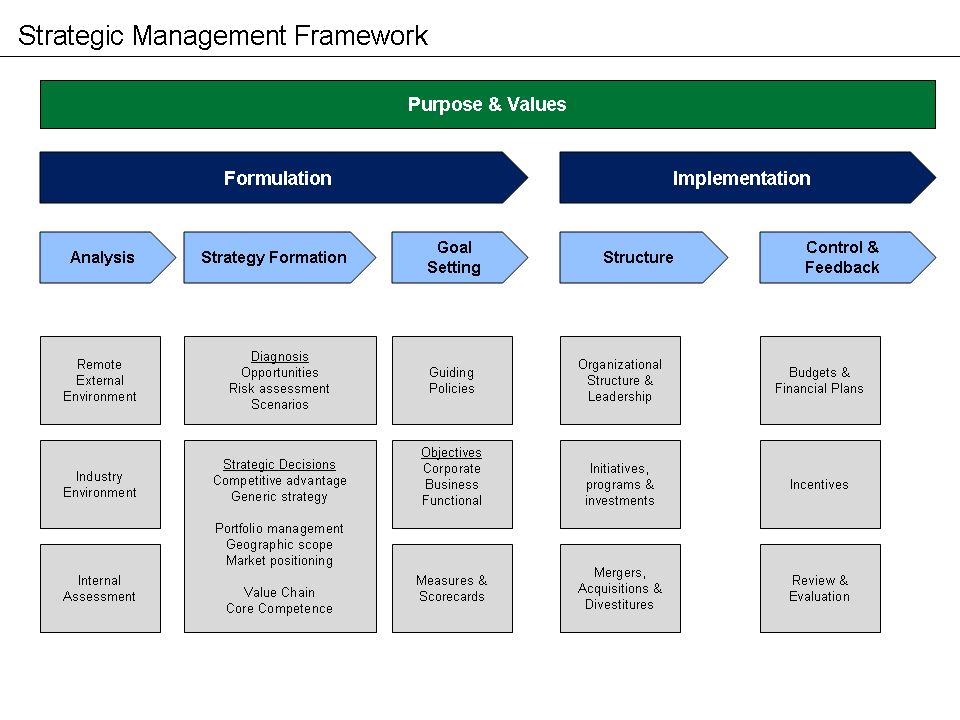
Good PR involves:
- Research: Understanding the organization, its challenges, and its audiences.
- Planning: Setting clear objectives and developing a strategy to achieve them.
- Execution: Implementing the plan through various tactics like media relations, events, and content creation.
- Evaluation: Measuring the results to see what worked and what didn't.
At its heart, PR is about building and maintaining mutually beneficial relationships. It's a long-term investment in an organization's most valuable asset: its reputation.
Let's check your understanding of these foundational concepts.
What is the primary goal of public relations?
Public relations focuses on __________ media, while advertising relies on __________ media.