Mastering Measurement for Grade 4
Metric System Relationships
The Secret Code of Measurement
Have you ever noticed how some words in measurement sound similar? Millimeter, milliliter. Kilogram, kilometer. This isn't a coincidence. The metric system is built on a simple, powerful idea: the number 10.
Think of it like a language. Once you learn a few key words, called prefixes, you can understand all kinds of measurements. These prefixes always mean the same thing, whether you're measuring how long something is, how heavy it is, or how much it can hold.
The three main types of measurement are length (distance), mass (weight), and capacity (volume).
Meet the Prefixes
The magic of the metric system comes from its prefixes. Each one is a multiplier based on ten. For now, let's focus on the three most common ones. Understanding them is like having a superpower for measurement.
| Prefix | What it Means | Example |
|---|---|---|
| Kilo- | 1,000 times bigger | A kilogram is 1,000 grams. |
| Centi- | 100 times smaller | A centimeter is 1/100 of a meter. |
| Milli- | 1,000 times smaller | A milliliter is 1/1000 of a liter. |
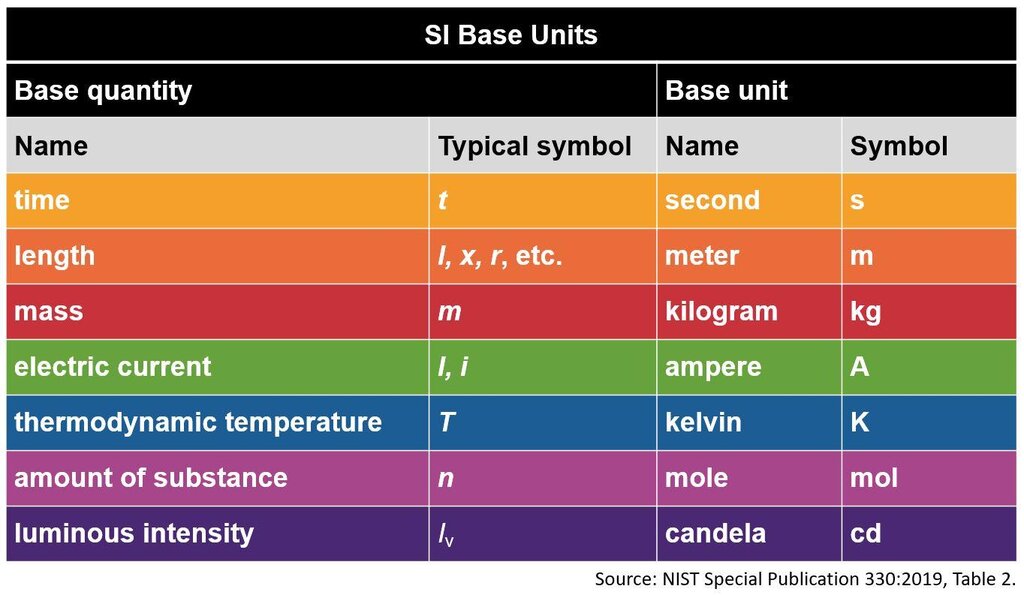
Because these prefixes are all based on tens, hundreds, and thousands, converting between units is simple. You just multiply or divide by powers of 10. This is why scientists and most countries around the world use the metric system, also known as SI Units, for their work.
Putting It All Together
Now, let's see how these prefixes work with our base units for length, mass, and capacity.
Length: The Meter (m) The meter is our base unit for measuring how long something is. You might measure a room in meters.
By adding prefixes, we can measure much smaller or much larger things.
- Millimeter (mm): For tiny things, like the thickness of a coin.
- Centimeter (cm): For small things, like the length of your finger.
- Kilometer (km): For long distances, like from your home to your school.
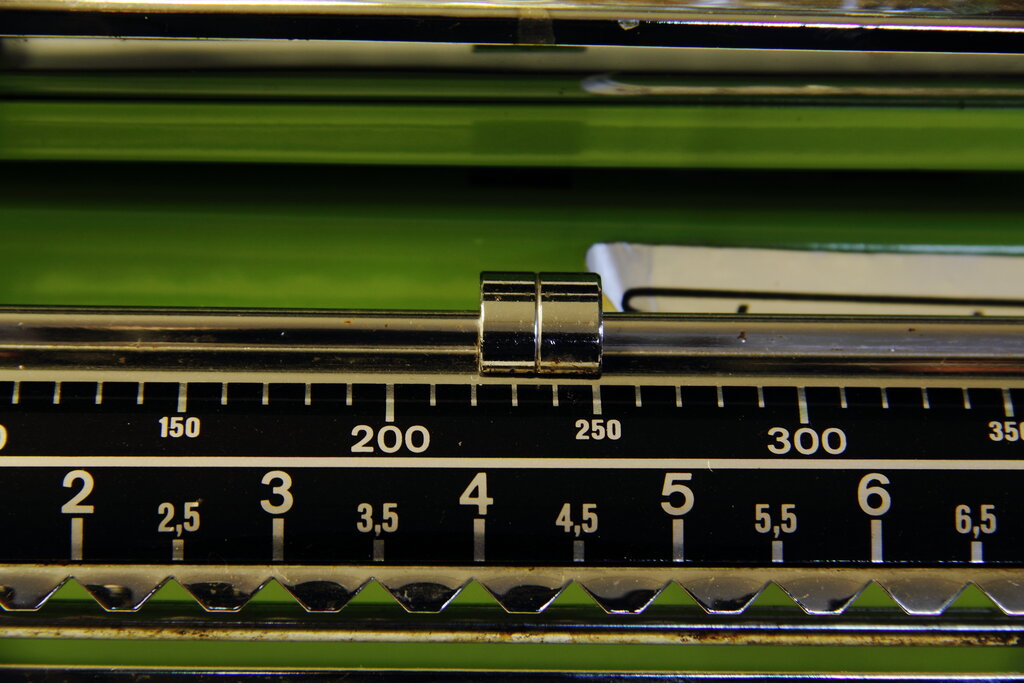
Mass: The Gram (g) The gram is our base unit for mass. A paperclip has a mass of about one gram.
For mass, we most often use two units: the gram and the kilogram.
- Gram (g): For light objects, like a single grape or a feather.
- Kilogram (kg): For heavier objects, like a bag of apples or a person.
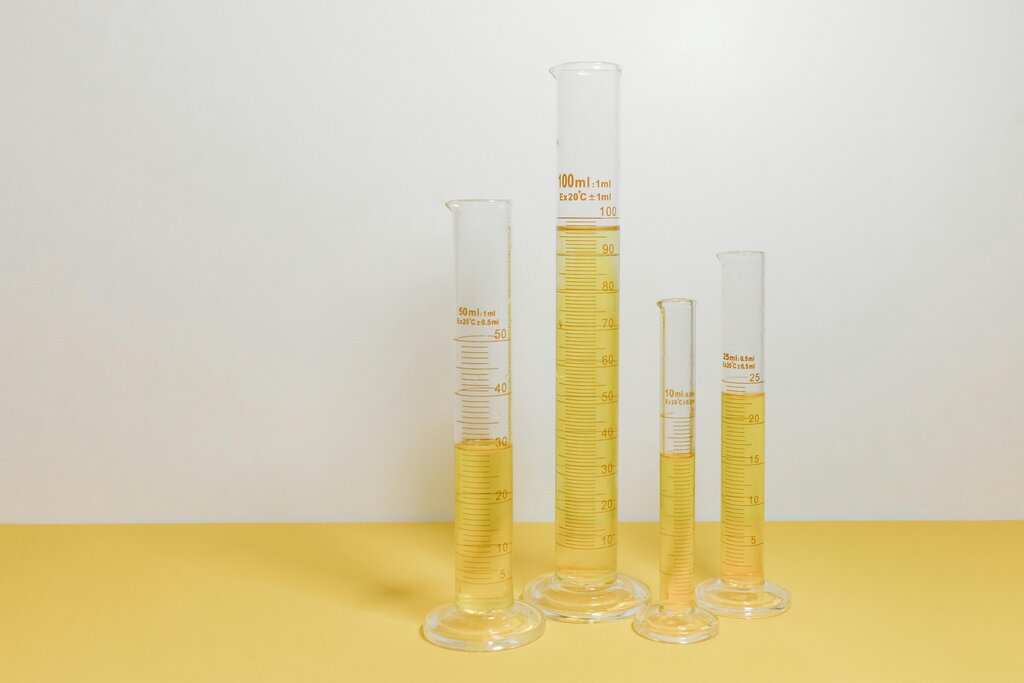
Capacity: The Liter (L) The liter is our base unit for capacity, or how much liquid a container can hold. A standard carton of milk is about one liter.
When measuring liquids, we usually talk about liters and milliliters.
- Milliliter (mL): For small amounts of liquid, like medicine in a dropper.
- Liter (L): For larger amounts, like water in a bottle or juice in a carton.
Choosing the Right Tool
The key to measurement is picking the unit that makes the most sense. You wouldn't measure the distance to the moon in centimeters, because the number would be enormous and hard to work with. You also wouldn't measure a ladybug in kilometers. The goal is to use a unit that gives you a simple, manageable number.
| If you are measuring... | A good unit to use would be... |
|---|---|
| The length of a pencil | Centimeters (cm) |
| The weight of a dog | Kilograms (kg) |
| A glass of juice | Milliliters (mL) |
| The distance of a car trip | Kilometers (km) |
Thinking about the size of the unit helps you choose. Is the object you're measuring very small, very large, or somewhere in between? Answering that question is the first step to becoming a measurement expert.
Ready to test your knowledge? Let's see what you've learned about the metric system.
The metric system is built on which simple, powerful number?
Which of these units would be the most appropriate for measuring the distance between two cities?
Understanding how these units relate to each other through the power of 10 is the foundation for all measurement conversions.