Mastering Meal Prep for Time and Savings
Meal Planning Basics
Why Plan Your Meals?
Deciding what to eat every day can feel like a chore. Meal planning is a simple system to take that stress away. By thinking ahead, you can save time, reduce your grocery bills, and avoid the last-minute scramble for dinner.
When you have a plan, you know exactly what to buy at the store. This means fewer impulse purchases and less food waste, because every ingredient has a purpose. It also frees up mental energy during the week. Instead of wondering what’s for dinner, you can just follow the plan.
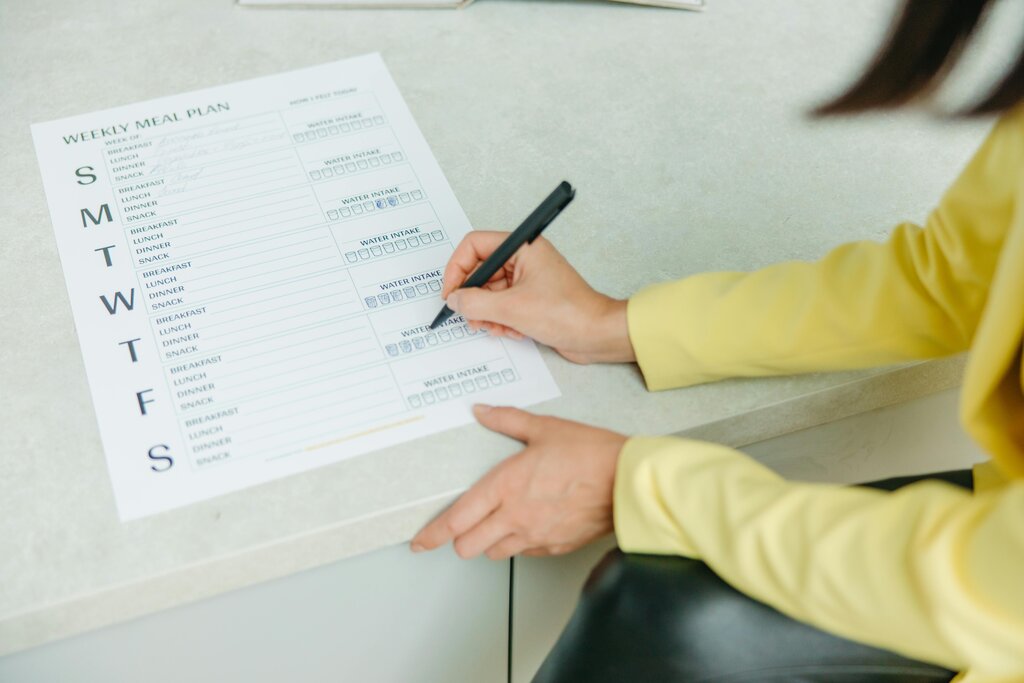
Start With Your Needs
Before you can plan what to eat, you need to know what you should eat. This doesn't need to be complicated. Start by considering your own lifestyle and health. Do you have any food allergies or dietary restrictions? Are you trying to eat more protein or less sugar? Your meal plan should be tailored to you.
Also, think about who you're cooking for. A meal plan for a single person will look very different from a plan for a family with young children. Consider everyone's preferences and schedules. The goal is to create a plan that works for your entire household.
A well-thought-out meal plan can help you improve the quality of your diet or reach a specific health goal while saving you time and money.
Set Simple Goals
You don't have to plan every single meal for the next month. Start small to build a sustainable habit. A great first goal might be to plan just your dinners for the upcoming week. Or maybe you want to focus on packing a healthy lunch instead of buying it.
Good starter goals:
- Plan three dinners for next week.
- Stop buying lunch twice a week.
- Incorporate one new vegetable into your meals.
Once you're comfortable with a small goal, you can gradually expand. Maybe you start planning lunches and dinners, or you try planning for the full week. The key is to make it manageable so you don't feel overwhelmed.
Create a Balanced Plan
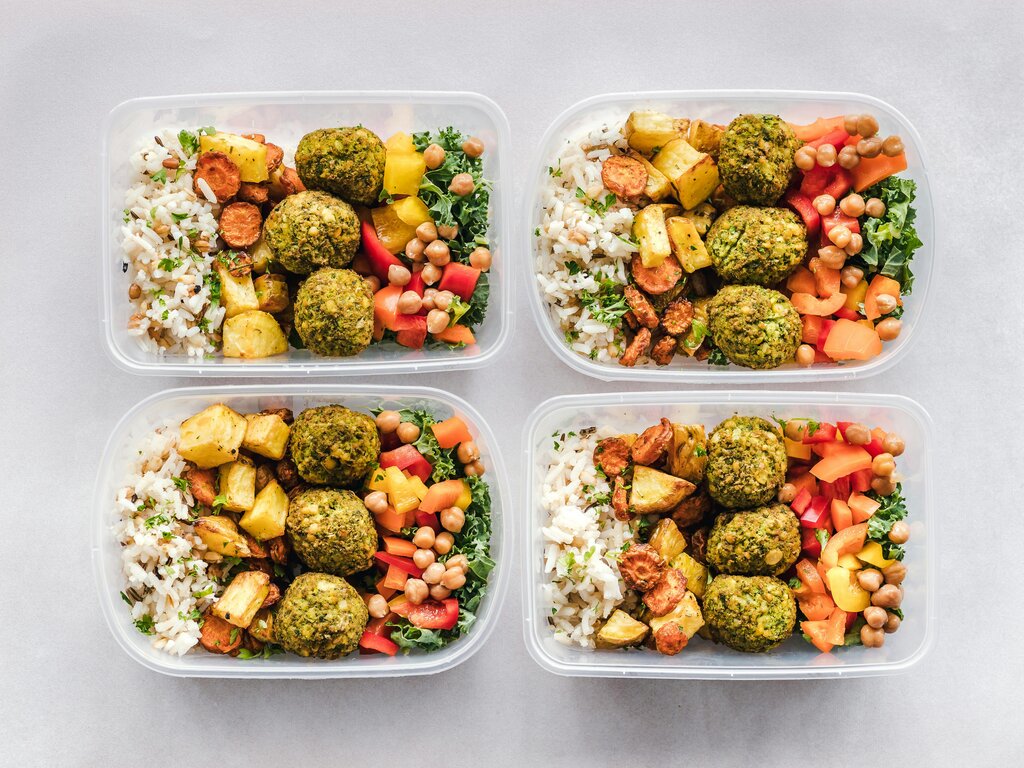
A good meal plan includes a variety of foods to keep you healthy and interested. A simple rule of thumb for a balanced plate is to include three main components: a protein, a carbohydrate, and a vegetable.
- Protein: This could be chicken, fish, beans, lentils, or tofu.
- Carbohydrates: Think brown rice, quinoa, whole-wheat pasta, or sweet potatoes.
- Vegetables: Try to fill a good portion of your plate with colorful veggies like broccoli, bell peppers, spinach, or carrots.
To make planning easier, you can use themed nights. This gives you a template to work with each week. For example, you could have Meatless Mondays, Taco Tuesdays, or Pasta Wednesdays. It narrows down the choices and simplifies the decision-making process.
Plan Your Budget
Meal planning is a powerful tool for managing your finances. Before you create your plan, take a quick inventory of what you already have in your pantry, fridge, and freezer. Building meals around ingredients you already own is the fastest way to cut down your grocery bill.
Before you make your meal plan, take an inventory of what you already have on hand.
When you're planning, consider using ingredients that can be used in multiple dishes. For example, a whole roasted chicken can be dinner one night, and the leftovers can be used for chicken salad sandwiches or added to a soup. This strategy, known as ingredient overlap, ensures you use everything you buy and get the most value for your money.
Ready to test what you've learned? Let's review.
What is a primary benefit of meal planning?
When beginning to meal plan, it's best to plan every meal for the entire month to be most effective.