Mastering Meal Prep
Understanding Meal Planning
What Is Meal Planning?
Meal planning is the simple act of deciding what you’ll eat for a period of time, whether it's for the next few days or the entire week. Instead of figuring out dinner on the fly, you create a menu in advance. This plan then guides your grocery shopping and cooking, turning a daily question into a simple routine.
Think of it as a roadmap for your meals. It takes the guesswork out of eating, so you're not stuck staring into the fridge at 6 PM wondering what to make.
The Payoffs of a Plan
Putting a little thought into your meals upfront has some major benefits. The most obvious are saving time and money. With a plan, you make fewer trips to the grocery store and avoid last-minute, expensive takeout orders. You buy only what you need, which means less food and money goes to waste.
Planning also helps you eat better. When you decide on your meals ahead of time, you’re more likely to choose nutritious options that align with your health goals. It’s easier to build balanced meals when you’re not rushed or hungry.
Finally, it cuts down on daily stress. Knowing what’s for dinner frees up mental energy you can use for other things. It brings a sense of calm and control to your week.
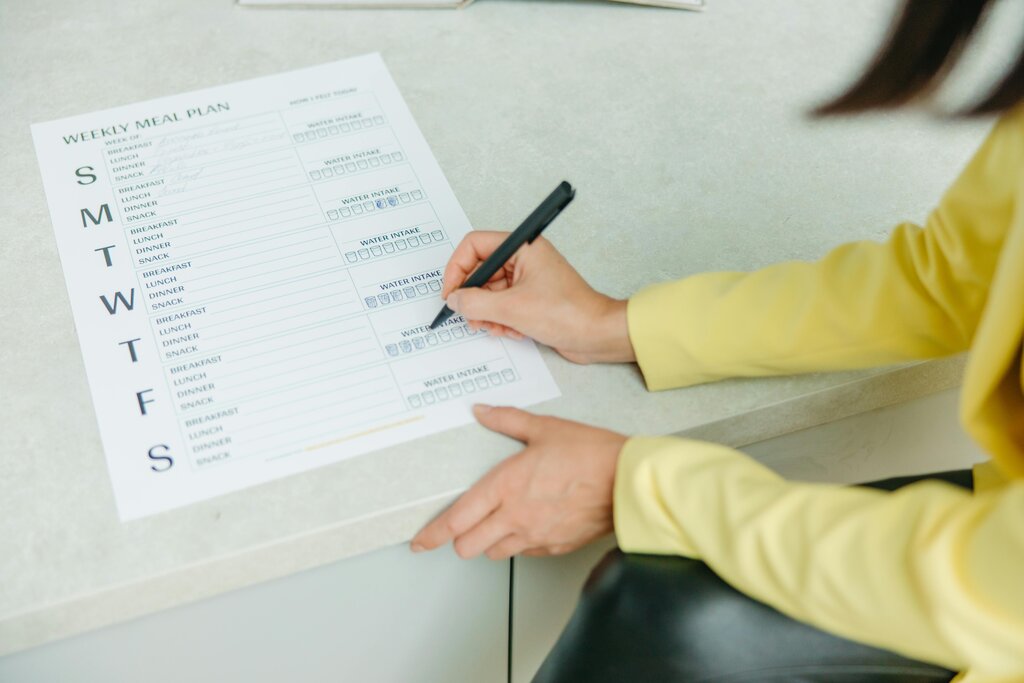
Making It Work for You
A successful meal plan has to fit your life. There's no one-size-fits-all approach. Start by thinking about your personal needs and habits.
Consider your dietary preferences. Are you vegetarian, gluten-free, or trying to eat low-carb? Build your plan around foods you enjoy and that make you feel good. A plan filled with meals you don't actually want to eat is a plan you won't follow.
Be realistic about your schedule and cooking habits. If you know Tuesdays are always hectic, plan for a quick 20-minute meal or leftovers. Save the more complex recipes for days when you have more time and energy. The goal is to make your life easier, not more complicated.
Simple Planning Strategies
Getting started doesn't have to be overwhelming. You can ease into it with a few basic strategies. These methods provide structure without being too rigid, helping you build a consistent habit.
Using themed meal days (like Meatless Mondays, Taco Tuesdays, or Stir-Fry Fridays) can simplify your meal planning.
Themes narrow down your choices and make planning faster. Another popular strategy is batch cooking, where you cook a large portion of a single dish, like a chili or a casserole, and eat it for several meals. This is perfect for lunches or busy weeknights.
You can also try ingredient prep. Instead of making full meals, you spend an hour or two preparing components. You might wash and chop vegetables, cook a batch of quinoa, or marinate chicken. With the prep work done, assembling a fresh meal each day becomes much quicker.
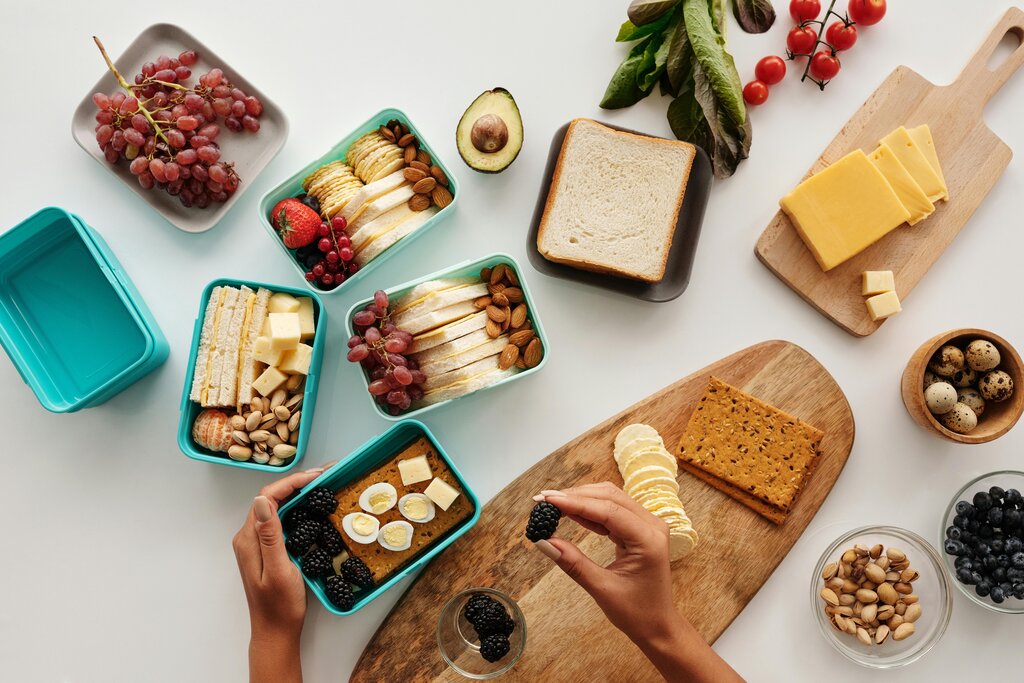
These strategies aren't mutually exclusive. You can mix and match them to find a rhythm that works for you. The key is to start small, stay flexible, and build a system that supports your lifestyle.