Mastering MCP Servers
Introduction to MCP Servers
What Are MCP Servers?
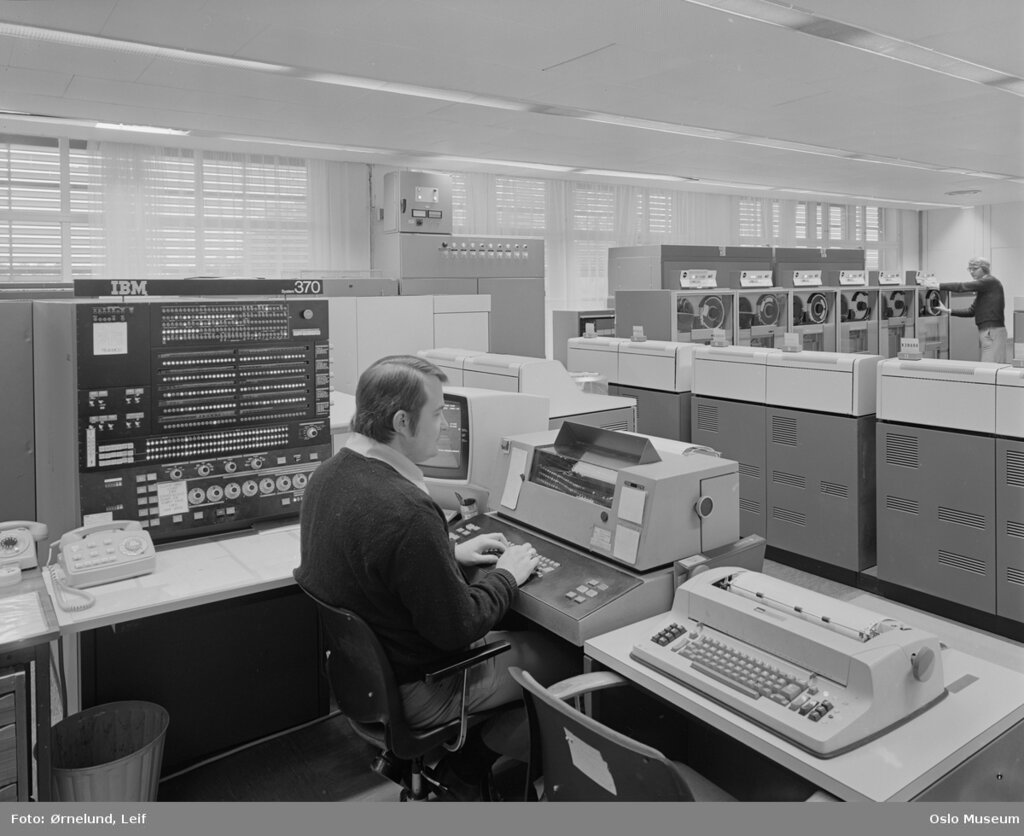
The term "MCP Server" can be a bit confusing because it refers to two different concepts from different eras of computing. Originally, MCP stood for Master Control Program, a pioneering operating system from the 1960s. Think of it as the brain of a large mainframe computer, a central command that managed all the machine's resources, from processing power to memory and storage. Its job was to make sure everything ran smoothly, efficiently, and without conflicts.
Imagine an orchestra conductor. The conductor doesn't play an instrument but directs all the musicians, telling them when to play, how loudly, and ensuring they work together to create a beautiful piece of music. The original Master Control Program acted like that conductor for the hardware and software components of a computer system.
Core Functions
Whether we're talking about the historic Master Control Program or modern server operating systems that fulfill a similar role, the core responsibilities of system management are largely the same. They handle the foundational tasks that allow a computer to function.
| Functionality | Description |
|---|---|
| Resource Management | Allocates CPU time, memory, and storage space to various programs. |
| Task Scheduling | Determines the order and priority of tasks the system needs to execute. |
| I/O Operations | Manages communication between the computer and its peripherals, like keyboards or printers. |
| System Monitoring | Keeps track of the system's health and performance, logging errors and activity. |
The Modern Twist: Model Context Protocol
Fast forward to today. The acronym MCP has been reborn in the world of artificial intelligence. Now, it stands for Model Context Protocol. While the name sounds similar, its purpose is entirely different and tailored for modern AI applications.
Model Context Protocol (MCP) is an open protocol developed by Anthropic that standardizes how applications share contextual information with Large Language Models (LLMs).
In simple terms, a modern MCP server acts as a bridge. It connects a large language model (LLM), like the AI you might chat with online, to the outside world. An LLM's knowledge is usually frozen at the time it was trained. An MCP server gives it a live connection to external tools, databases, and APIs. This allows the AI to access up-to-the-minute information, perform actions, and interact with other software in a standardized way.
This modern protocol is significant because it makes AI far more powerful and useful. Instead of just recalling information, an AI can use an MCP server to check your calendar, look up current stock prices, or book a reservation. It turns a static encyclopedia into a dynamic, active assistant.
In the context of early computing history, what did the acronym "MCP" stand for?
The original Master Control Program is analogous to an orchestra conductor because it...
From governing the earliest mainframes to empowering the latest AI, the concept of a master control program has evolved dramatically, but the core idea of centralized, intelligent management remains as relevant as ever.