Mastering MCP Fundamentals
Introduction to MCP
The OS Ahead of Its Time
In the world of operating systems, some names are famous, like Windows or macOS. But long before personal computers, mainframes ruled the computing landscape, and one of the most influential operating systems was the Master Control Program, or MCP.
First released in 1961 for the Burroughs B5000 mainframe, MCP was revolutionary. At a time when most operating systems were painstakingly written in low-level assembly language, MCP was the first to be written almost entirely in a high-level language, a dialect of ALGOL. This was a radical idea. It made the system far easier to program, update, and move to new hardware compared to its contemporaries.
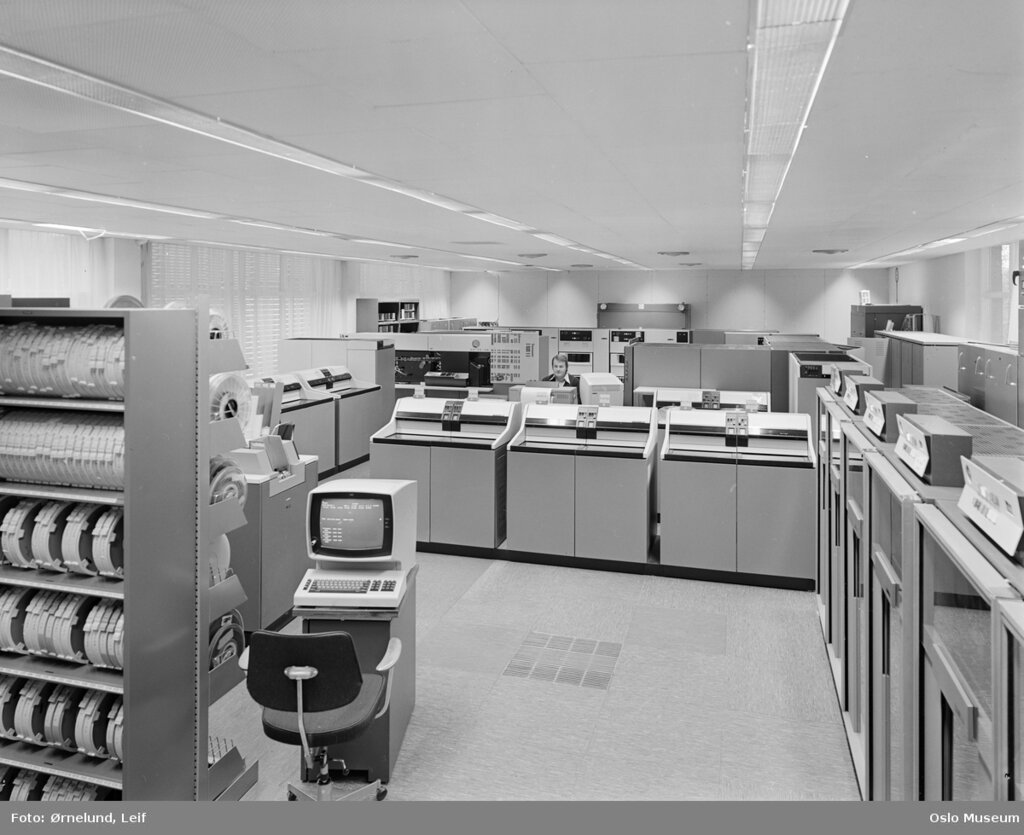
This design choice had profound implications. Because the software wasn't tied to a specific machine's assembly code, the hardware and software could evolve together. Burroughs designed its computers specifically to run MCP efficiently. The hardware had features like a stack-based architecture and memory tagging that directly supported the OS, simplifying its design and making it incredibly robust.
Pioneering Features
MCP introduced several concepts that are now standard in modern computing. One of the most significant was its early and sophisticated implementation of virtual memory.
MCP introduced several groundbreaking innovations, including the first commercial implementation of virtual memory, which allowed programs to use more memory than physically available by swapping segments to secondary storage.
This allowed the computer to run larger and more numerous programs than its physical memory could hold. The OS managed this process automatically, swapping data between the main memory and slower disk storage without the programmer needing to worry about it.
Multiprogramming
noun
A technique that allows a computer to run multiple programs concurrently by switching between them, keeping the CPU busy while one program waits for an operation (like reading from a disk) to complete.
The system was also built from the ground up for multiprogramming and, later, multiprocessing (using multiple CPUs at once). This meant it could juggle many tasks and users simultaneously, a crucial feature for the large, shared mainframe environments it was designed for. Its architecture was inherently secure, with hardware checks preventing one program from interfering with another.
Enduring Legacy
The ideas pioneered by MCP were so far ahead of their time that they influenced generations of operating system designers. Its tight integration of hardware and software, use of a high-level language, and robust memory management are all hallmarks of modern systems.
After Burroughs merged to form Unisys, MCP continued to evolve. Today, it lives on as the operating system for the Unisys ClearPath MCP series of mainframes. These systems are still used in industries that demand extreme reliability and high transaction volumes, such as banking, airline reservations, and government services. The core principles of stability and security that were baked into the original MCP in 1961 continue to serve these critical applications decades later.
Ready to review what you've learned about the Master Control Program?