Mastering MBSR Teaching
Introduction to MBSR
What is MBSR?
Mindfulness-Based Stress Reduction, or MBSR, is a program that teaches you how to use mindfulness to relate differently to stress. It was developed in 1979 by Jon Kabat-Zinn at the University of Massachusetts Medical School. His goal was to help patients with chronic pain and illness find relief that medicine alone couldn't provide.
Kabat-Zinn created a secular, science-backed approach. He stripped meditation of its religious context and focused on the core practice: paying attention. The program blends mindfulness meditation, body awareness, and gentle yoga to help people become more present in their own lives.
The core of mindfulness is simple: paying attention on purpose, in the present moment, without judgment.
This means observing your thoughts, feelings, and bodily sensations as they happen, without getting carried away by them. It's not about emptying your mind, but about changing your relationship with what's in it.
The 8-Week Program
MBSR isn't a quick fix. It's a structured 8-week course designed to build a new habit of awareness. Participants attend a weekly class, typically for about two and a half hours, and practice daily homework assignments for about 45 minutes a day. The program also includes a full-day silent retreat during the latter half of the course.
This format provides a supportive environment and enough time to integrate mindfulness into daily life. The curriculum is standardized, meaning an MBSR course in one city will be very similar to one in another. This consistency is a key reason researchers have been able to study its effects so thoroughly.
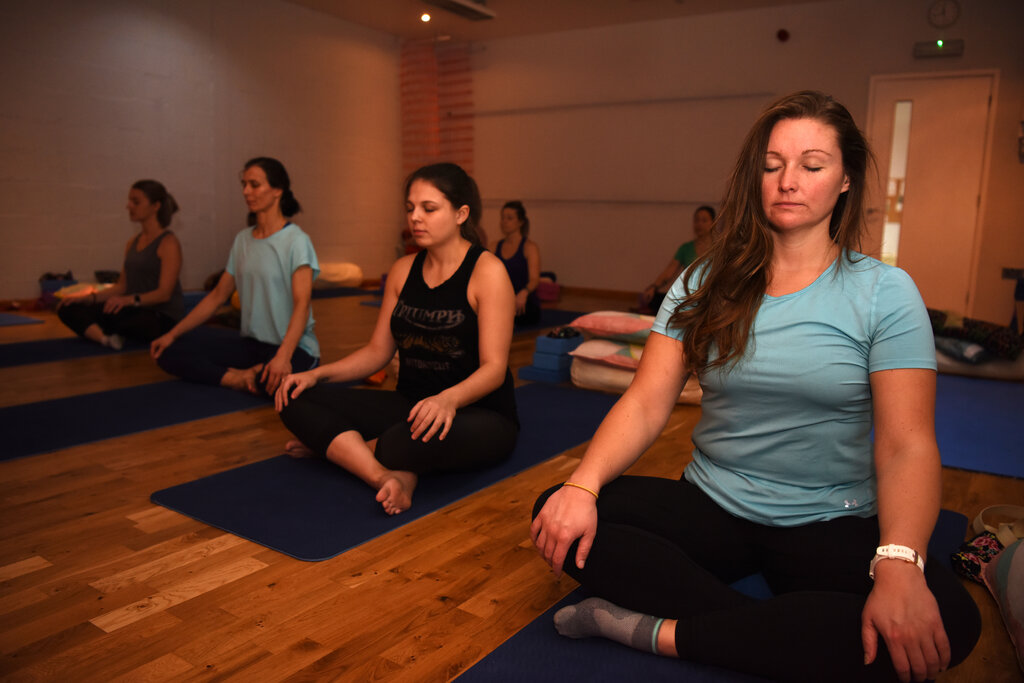
The course is built around three core practices.
Body Scan
noun
A meditation where you systematically focus attention on different parts of the body, observing any sensations with curiosity and without judgment.
This practice helps you reconnect with your physical self. You typically lie down and follow guided instructions, moving your awareness from your toes to the top of your head. The goal isn't to feel relaxed, although that often happens. The goal is simply to feel—to notice warmth, tingling, tightness, or even numbness without needing to change it.

Next is mindful movement. These are simple, gentle yoga-like stretches. The focus is not on achieving a perfect pose, but on paying attention to the body's sensations during movement. You notice the feeling of a muscle stretching or the limits of your range of motion. This practice helps bring mindfulness to an active state.
Finally, there is sitting meditation. This is what most people picture when they think of meditation. Participants sit in a comfortable, upright position and focus on an anchor, like the breath. When the mind wanders—which it always does—the practice is to gently notice where it went and guide it back to the breath, over and over again. This builds the "muscle" of attention and non-judgmental awareness.
The Science Behind It
Decades of research have shown that MBSR is effective. Studies consistently find that graduates of the program report reduced symptoms of stress, anxiety, depression, and chronic pain. They also report improvements in sleep quality, focus, and overall well-being.
How does it work? By practicing mindfulness, you learn to step back from your thoughts and feelings. You begin to see them as temporary mental events rather than absolute truths. This shift in perspective allows you to respond to stressful situations with more clarity and calm, rather than reacting automatically.
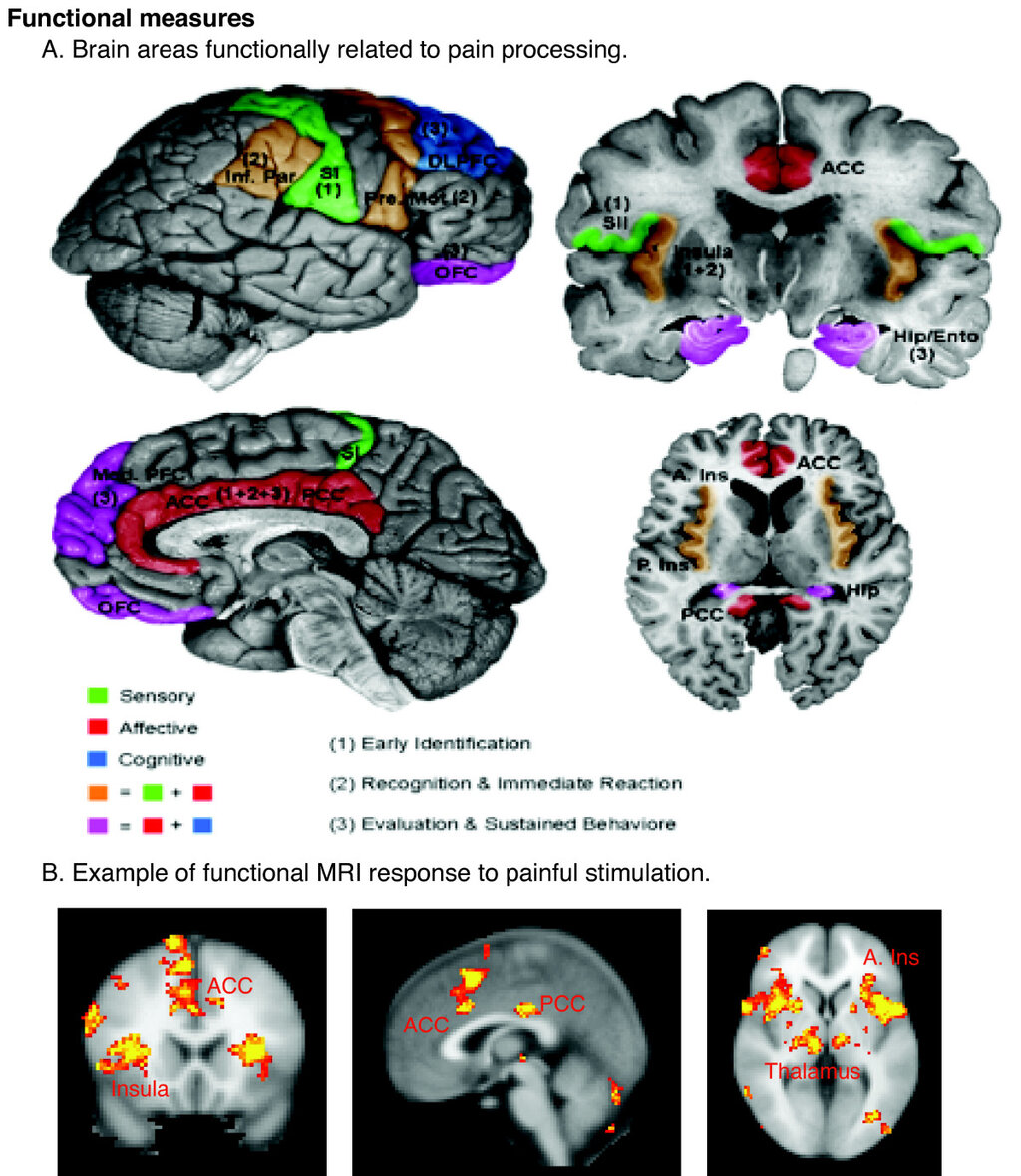
Neurological studies have even shown that MBSR can lead to changes in the brain. Areas associated with learning, memory, and emotional regulation can increase in density, while the area associated with the "fight or flight" stress response can shrink.
MBSR doesn't eliminate life's stressors, but it can fundamentally change how you relate to them.
Let's check your understanding of these core ideas.
Who originally developed the MBSR program, and for what primary purpose?
What is the primary goal of mindfulness practice within the MBSR framework?
By building awareness of the present moment, MBSR offers a powerful set of tools for navigating the challenges of everyday life.