Mastering MBB Case Interviews
Hypothesis Driven Problem Solving
The Answer-First Mindset
In consulting, the fastest way to the right answer is to start with a possible answer. This is the core of the hypothesis-driven approach. Instead of exploring every possible path, you make an educated guess upfront based on the initial details of the problem. This isn't about being a psychic; it's about being efficient.
Think of it as the difference between a detective who interviews everyone in the city versus one who identifies a prime suspect and starts there.
This "answer-first" method immediately focuses your analysis. You're not just collecting data; you're collecting data with a purpose: to prove or disprove your initial theory. This structure prevents you from getting lost in irrelevant details and ensures every question you ask moves you closer to a solution.
Formulating an Initial Hypothesis
A good hypothesis is not a vague statement. It's a specific, testable claim that proposes a cause for the problem. After hearing the initial prompt, your goal is to synthesize the information into a plausible story of what's happening.
For example, if a client's e-commerce profits are down, a weak hypothesis is: "The company's profits have fallen." A strong initial hypothesis would be: "Profits have declined primarily due to a drop in revenue, specifically from a lower average order value, likely caused by the recent removal of the free shipping threshold."
This gives you a clear starting point. Your entire analysis will now be geared towards testing this specific chain of logic. Is revenue the problem? Is it average order value? Was it the shipping policy change?
The McKinsey problem-solving process begins with the use of structured frameworks to generate fact-based hypotheses followed by data gathering and analysis to prove or disprove the hypotheses.
Pruning the Logic Tree
Once you have a hypothesis, you can use it to prioritize your analysis. This is where you prune your issue tree, the branching diagram of all possible causes of a problem. Instead of giving equal weight to every branch, you focus on the ones that directly relate to your hypothesis.
This structured focus allows you to "earn" data. Instead of asking broad questions like, "What can you tell me about sales?", you ask highly specific questions that test your hypothesis directly: "Do we have data on the average number of items per order for the last six months?" This shows the interviewer you have a clear plan and are driving the analysis forward.
Pivoting When You're Wrong
What if the data disproves your hypothesis? This is not a failure. It's progress. Proving a hypothesis wrong is just as valuable as proving it right because it eliminates a possibility and allows you to move on.
The key is to pivot gracefully. Don't discard your entire structure. Return to your issue tree and move to the next most likely branch. For example, if you find that average order value is actually stable, you can state: "Okay, the data shows that average order value isn't the issue. My next hypothesis is that our 'Costs' have increased, specifically our 'Cost of Goods Sold'. Do we have any information on recent supplier price changes?"
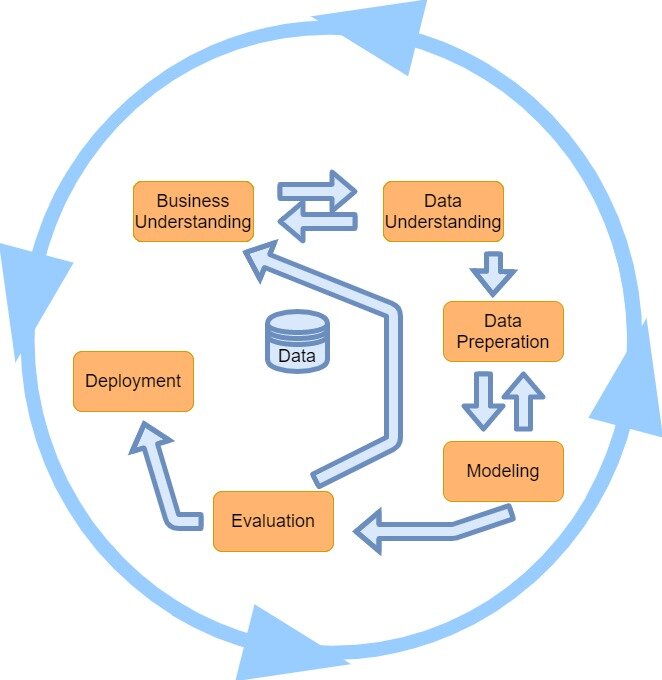
This shows you are adaptable and still in control of the analysis. You are systematically working through the problem, guided by logic and data, not just guessing randomly. This structured flexibility is the hallmark of an elite problem-solver.
What is the primary advantage of using a hypothesis-driven approach in consulting?
A client's online sales are down. Which of the following represents the strongest initial hypothesis?