Mastering Masonry
Introduction to Masonry
The Art of Stacking Stones
At its heart, masonry is the craft of building things by stacking individual units on top of one another. These units can be anything from natural stone and manufactured brick to concrete blocks. It’s a technique that has shaped our world for thousands of years, creating everything from humble homes to towering cathedrals.
masonry
noun
The art and craft of building structures from individual units, often laid in and bound together by mortar.
The key to masonry is turning a pile of loose pieces into a single, strong structure. This is usually done with mortar, a paste that fills the gaps between units and hardens to lock them in place. Think of it as the glue that holds a wall together.
A Foundation of History
Masonry is as old as civilization itself. The Great Pyramids of Giza in Egypt are monumental feats of stone masonry. The Romans mastered the art of the arch and the vault, allowing them to build massive aqueducts and amphitheaters that still stand today. Their techniques, combining stone, brick, and an early form of concrete, set the stage for centuries of architectural innovation.
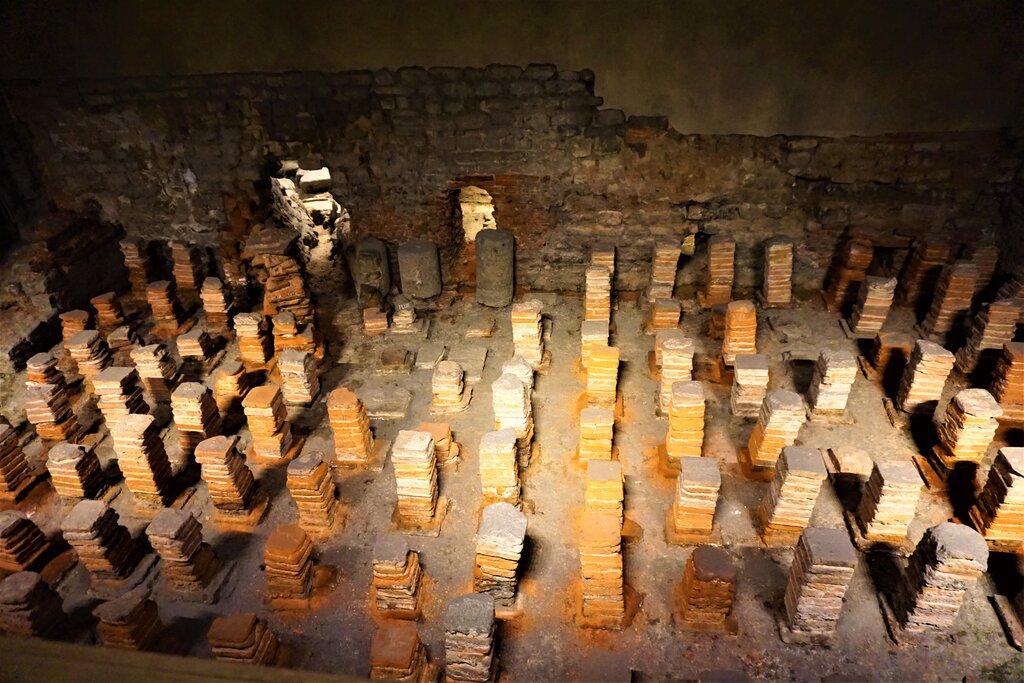
Through the Middle Ages, masons built soaring Gothic cathedrals with intricate stone carvings and vaulted ceilings. During the Renaissance, architects rediscovered and refined classical techniques. Even with the rise of steel and glass in modern times, masonry remains a vital part of construction, valued for its durability, beauty, and fire resistance.
Core Principles
All masonry construction relies on a few fundamental ideas. The most important is managing compressive strength, which is the ability to withstand being pushed or squeezed together. Stone and brick are incredibly strong in compression, which is why they're perfect for building walls that support heavy loads.
A well-built masonry wall directs the weight of the structure above it straight down to the foundation.
Another key principle is the bond, or the pattern in which the units are laid. Overlapping the units in specific patterns, like the common running bond, distributes the load across the wall and prevents vertical cracks from forming. This interlocking arrangement is what gives a masonry wall its collective strength.
From ancient pyramids to modern skyscrapers, these basic principles of compression and bonding have allowed builders to create structures that last for generations. Masonry isn't just about stacking bricks; it's a science of stability and an art form that shapes the world we live in.
What is the primary role of mortar in masonry?
Masonry units like stone and brick are exceptionally strong when subjected to which type of force?