Mastering Martial Arts Systems
Historical Evolution and Philosophy
From Battlefield to Dojo
The earliest martial arts weren't disciplines; they were survival manuals written in blood. On ancient battlefields, from the plains of China to the arenas of Greece, combat was a brutal, chaotic affair. The goal was simple: disable or kill your opponent before they did the same to you. Systems like Greek were less about spiritual growth and more about battlefield effectiveness, combining wrestling, boxing, and anything else that worked. There were few rules and even fewer philosophical debates.
This survival-first mentality dominated for centuries. A warrior's training focused on mastering weapons and hand-to-hand techniques that were ruthlessly efficient. But as societies changed, so did the role of the warrior. In the East, particularly in China and Japan, a profound shift began, fueled by new ways of thinking.
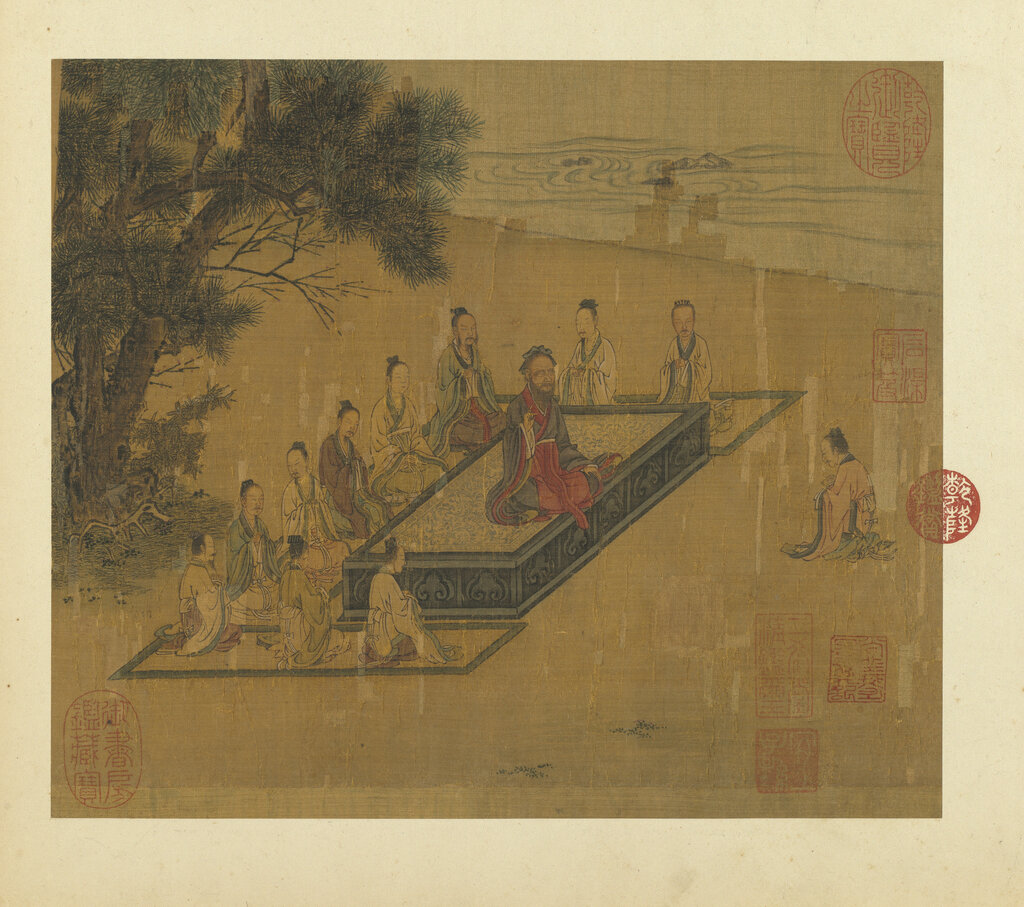
The philosophies of Taoism and Zen Buddhism offered a different perspective. Taoism emphasized harmony with the natural world, advocating for yielding and redirecting energy rather than meeting force with force. Think of water flowing around a rock. Zen Buddhism focused on mindfulness, meditation, and the stripping away of ego to perceive reality directly. These ideas seeped into the martial traditions, transforming them. The goal was no longer just to defeat an opponent, but to conquer oneself. Training became a moving meditation, a way to unify mind, body, and spirit.
The integration of mind, body, and spirit in martial arts training creates a balanced practitioner who is not only physically capable but mentally resilient and spiritually grounded.
The Way vs. The Technique
This philosophical evolution is perfectly captured in a distinction that arose in Japan during the relatively peaceful Edo period (1603–1868). With fewer large-scale wars to fight, the samurai class had to redefine their purpose. Their fighting systems, known as bujutsu (martial techniques), began to change.
From jutsu, the focus on pure technique, emerged budo (martial way). The suffix change from jutsu (術), meaning 'art' or 'technique', to do (道), meaning 'way' or 'path', was monumental. Kenjutsu, the technique of the sword, evolved into Kendo, the way of the sword. Jujutsu became Judo.
| Term | Suffix | Meaning | Focus |
|---|---|---|---|
| Bujutsu | -jutsu (術) | Martial Technique/Art | Combat effectiveness, battlefield application. |
| Budo | -do (道) | Martial Way/Path | Self-development, spiritual growth, character refinement. |
This wasn't just a name change. It was a re-framing of the entire purpose of training. The 'Do' arts used the physical techniques of combat as a vehicle for moral and spiritual development. The goal wasn't just to master a throw, but to understand the principles of balance and leverage in your own life. The opponent became a partner in your journey of self-discovery, not just an enemy to be vanquished.
Codes of Conduct
As martial arts evolved into 'ways' of life, they developed strong ethical frameworks. The most famous of these is (武士道), the 'way of the warrior.' Far from being a simple combat manual, Bushido was a moral code that guided the samurai in life and death. It was a complex blend of influences, drawing from Zen's self-control, Confucianism's loyalty and social order, and Shinto's reverence for nature and ancestry.
Core tenets included justice, courage, compassion, respect, integrity, honor, and loyalty. A samurai's skill with a sword was meaningless if not guided by these virtues. This framework ensured that immense power was wielded with immense responsibility. While the samurai class no longer exists, the principles of Bushido continue to influence modern Japanese culture and the ethics taught in dojos around the world.
This journey from raw survival to a path of self-improvement is the heart of traditional martial arts. It's the reason training goes far beyond learning to punch and kick; it's about forging character.
What was the primary purpose of the earliest forms of martial arts, such as Greek Pankration?
The evolution from 'Kenjutsu' (the technique of the sword) to 'Kendo' (the way of the sword) illustrates a broader shift in martial arts from ____.