Mastering Marketing Processes and Data
Marketing Analytics Fundamentals
What is Marketing Analytics?
Marketing used to involve a lot of guesswork. You'd run an ad in a magazine or on TV and hope it reached the right people and convinced them to buy. Today, things are different. We have data—tons of it.
Marketing analytics is the practice of using that data to make smarter decisions. It's about measuring, managing, and analyzing marketing performance to maximize its effectiveness. Think of it as a compass for your marketing ship. Instead of sailing blind, you use data to find the most direct route to your goals, whether that's increasing sales, finding new customers, or building brand awareness.
The core idea is simple: stop guessing and start knowing. By tracking what works and what doesn't, you can do more of the former and less of the latter.
Key Metrics and KPIs
To understand performance, you need to measure it. In marketing, we use metrics and Key Performance Indicators (KPIs).
- A metric is a quantifiable measure. Pageviews on your website is a metric. The number of likes on a social media post is a metric.
- A KPI is a metric that is tied directly to a key business objective. It tells you how you're performing against your most important goals.
While there are hundreds of possible metrics, only a few will be true KPIs for your business. For example, if your goal is to generate sales leads, the number of people who fill out a contact form is a crucial KPI. The number of likes on a post might be a nice-to-have metric, but it's not the KPI.
Here are some of the most common and important metrics in marketing:
| Metric | Abbreviation | What It Measures |
|---|---|---|
| Click-Through Rate | CTR | The percentage of people who click your ad or link after seeing it. |
| Cost Per Acquisition | CPA | The total cost of acquiring one new paying customer. |
| Conversion Rate | - | The percentage of users who take a desired action (e.g., make a purchase, sign up). |
| Customer Lifetime Value | CLV | The total revenue a business can expect from a single customer account. |
| Return on Investment | ROI | The profit generated from marketing activities as a percentage of the cost. |
Choosing the right KPIs depends entirely on your goals. An e-commerce store might focus on CPA and Conversion Rate, while a content blog might prioritize Time on Page and newsletter sign-ups.
How Data is Collected
Data doesn't just appear out of thin air. Marketers use a variety of tools to collect the information they need to calculate metrics and KPIs. These sources work together to build a complete picture of customer behavior.
Website Analytics Tools Platforms like Google Analytics track how users interact with your website. They can tell you which pages are most popular, how people found your site (e.g., through a Google search or a link on social media), and how long they stayed.
CRM Systems Customer Relationship Management (CRM) software, like Salesforce or HubSpot, stores data about your interactions with individual customers. This includes their purchase history, support tickets, and email communication, helping you track the entire customer journey.
Social Media Platforms Every major social media platform has built-in analytics. These tools provide data on post engagement (likes, comments, shares), audience demographics, and ad performance.
Surveys and Feedback Sometimes the best way to get data is to ask for it directly. Surveys and feedback forms can provide qualitative insights into customer satisfaction and preferences that numbers alone can't capture.
Making Data-Driven Decisions
Collecting data is just the first step. The real power of marketing analytics comes from using that data to make informed choices. This is called data-driven decision-making.
Let’s walk through a simple example. A small online store is running two different ads on social media to sell a new t-shirt.
- Ad A: Shows the t-shirt on a mannequin.
- Ad B: Shows a person wearing the t-shirt while hiking.
After running both ads for a week, the owner looks at the data. Ad B got more clicks (a higher CTR), but Ad A resulted in more actual sales (a higher conversion rate) and cost less for each shirt sold (a lower CPA).
Instead of just guessing which ad was better, the data provides a clear answer. The owner decides to stop running Ad B and put the entire budget into Ad A. They also learn that for their audience, seeing the product clearly might be more important than seeing it in a lifestyle context. This insight will inform how they design their ads in the future.
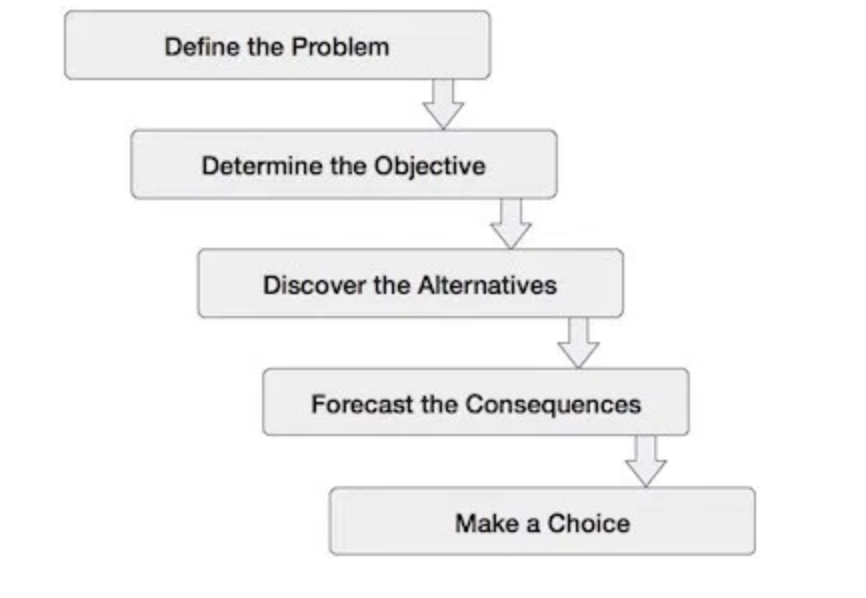
This cycle—measure, analyze, act, and repeat—is the foundation of modern marketing. It transforms marketing from a creative art into a science, where decisions are backed by evidence, leading to more efficient spending and better results.
What is the primary purpose of marketing analytics?
A SaaS company's main business objective is to generate sales leads for its new software. Which of the following is the best example of a Key Performance Indicator (KPI) for them?
By understanding these fundamentals, you can begin to see how data shapes strategy and helps businesses connect with customers more effectively.