Mastering Marketing Principles and Practice
Introduction to Marketing
More Than Just Ads
When you hear the word “marketing,” what comes to mind? For many, it’s slick TV commercials, catchy jingles, or pop-up ads on the internet. While those are all parts of marketing, they're just the tip of the iceberg. At its core, marketing is about understanding people and creating connections.
Marketing is a set of processes for creating, communicating, and delivering value to customers and for improving customer relationships.
Think of it this way: marketing is the entire journey of bringing a product or service to life and into the hands of someone who needs it. It starts long before a product is even made, by figuring out what people want. It continues by crafting the product, figuring out its price, and getting it to the right places. And it doesn't end with a sale; it's also about building lasting relationships with customers.
The Marketing Environment
No business operates in a vacuum. Every company is surrounded by a complex web of forces that shape its decisions and success. This is the marketing environment, and it has two main layers: the microenvironment and the macroenvironment.
The microenvironment consists of the players close to the company that affect its ability to serve its customers. This includes the company itself (different departments like finance and R&D), suppliers, marketing intermediaries (like resellers or distributors), competitors, and of course, the customers.
The macroenvironment includes larger societal forces that affect the entire microenvironment. These are things a company usually can't control, but must respond to. Think about demographic shifts (like an aging population), economic trends (like a recession), technological changes (like the rise of AI), political regulations, and cultural shifts (like a growing focus on sustainability).
The 4 Ps of Marketing
To navigate the marketing environment, marketers use a toolkit known as the marketing mix. The most famous framework for this is the 4 Ps. It’s a simple but powerful way to think about the different levers a business can pull to serve its customers.
| P | What it is | Key Question |
|---|---|---|
| Product | The actual good or service you offer. | What problem does this solve? What features does it have? |
| Price | How much customers pay for the product. | What is the value to the customer? What are competitors charging? |
| Place | Where and how customers can get the product. | Where do buyers look for your product? Online, in stores? |
| Promotion | How you communicate with your customers. | How will you tell people about your product? (Advertising, PR, etc.) |
These four elements are interconnected. A high-end luxury product (Product) would have a high price tag (Price), be sold in exclusive boutiques (Place), and be advertised in glossy magazines (Promotion). All the Ps need to work together to send a clear and consistent message. A mismatch—like selling a luxury watch in a discount store—confuses customers and weakens the brand.
The goal is to create a seamless experience where the product, its price, its availability, and its message all feel right to the customer.
Creating Customer Value
Ultimately, the goal of juggling the 4 Ps within the marketing environment is to create customer value. Value isn't just about being the cheapest. It's the customer's perception of what they get versus what they give.
Total benefit includes the product itself, the service, the brand image, and even the personal feeling someone gets from owning it. Total cost includes not just the monetary price, but also the time and effort it takes to buy and use the product. A customer is satisfied when their experience meets or exceeds their expectations. Happy customers don't just come back; they often become vocal advocates for the brand.
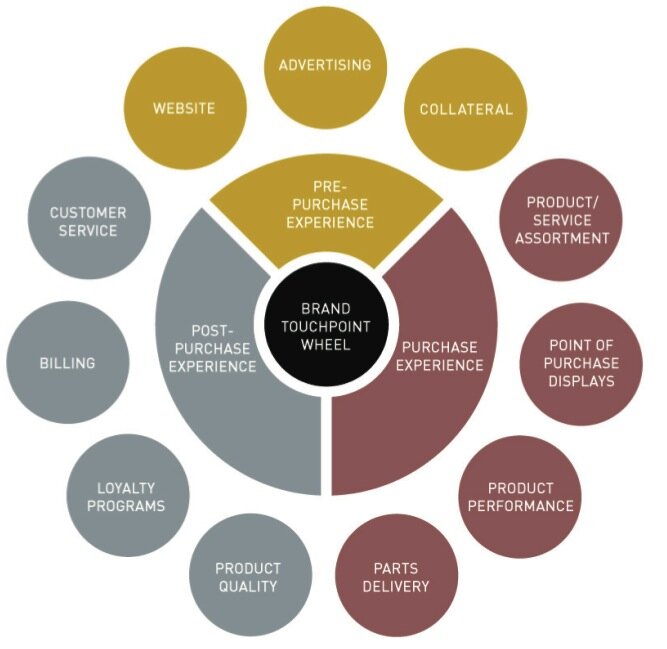
Think about your favorite coffee shop. The product is coffee, but the value might come from the friendly staff, the comfortable chairs, and the reliable Wi-Fi. You might be willing to pay a higher price because the overall benefit you receive is worth the cost. That's effective marketing in action. It's about building a valuable experience that leads to satisfaction and loyalty.
At its most fundamental level, marketing is primarily about:
Which of the following is an example of a force in a company's macroenvironment?