Mastering Manual Photography
Introduction to Manual Photography
Taking Control of Your Camera
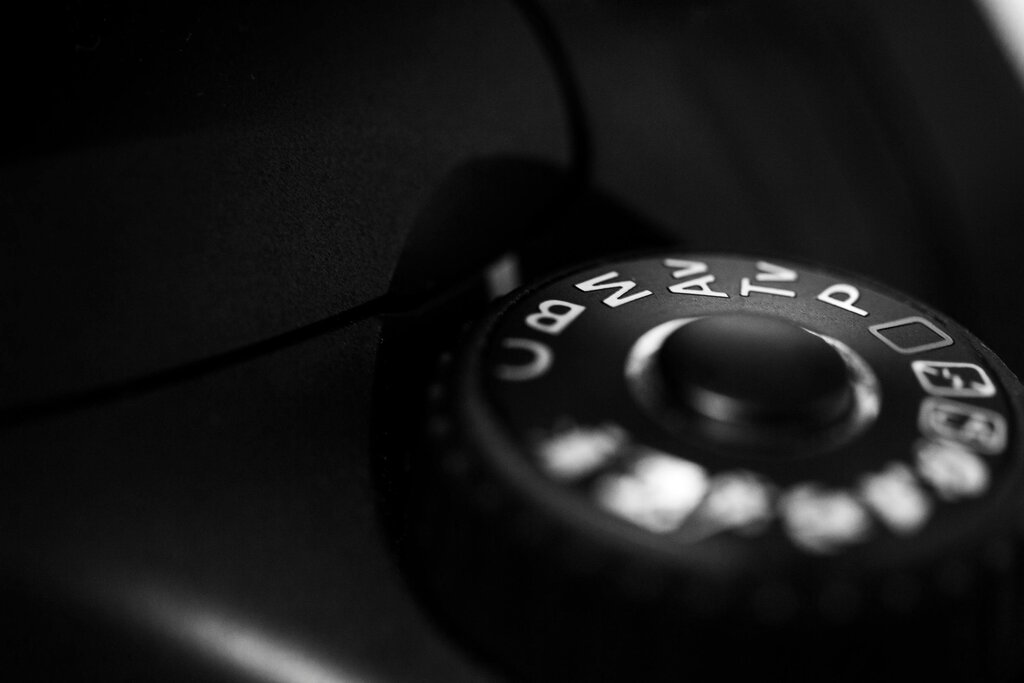
Most modern cameras have an automatic mode that does a pretty good job. It reads the scene and makes its best guess about how to capture it. But photography isn't about guessing, it's about making choices. Shooting in manual mode is like switching from the passenger seat to the driver's seat. You decide how the final image looks, not your camera's computer.
Look for a camera that has manual controls so you can learn how to set aperture, shutter speed, and focus.
Using manual mode gives you complete creative control. You can choose to blur a background for a portrait, freeze the motion of a speeding car, or capture the faint light of stars in the night sky. These are artistic decisions that automatic modes often can't make for you. Learning to control your camera's settings is the first step toward creating photos that match your vision.
The Exposure Triangle
At its core, a photograph is just a recording of light. The brightness of your photo, known as its exposure, is controlled by three fundamental settings: aperture, shutter speed, and ISO. These three elements work together in a constant balancing act.
If there is one item to engrain in your brain as you learn photography, it is the image of the exposure triangle.
Imagine them as three points of a triangle. If you change one, you must adjust one or both of the others to maintain the same level of exposure. Mastering this relationship is the key to manual photography.
Let's briefly meet each component:
-
Aperture: This is the size of the opening in your lens that light passes through. Think of it like the pupil of your eye, widening in the dark and shrinking in bright light. Aperture also controls depth of field—how much of your scene is in sharp focus.
-
Shutter Speed: This is the length of time your camera's sensor is exposed to light. A fast shutter speed freezes motion, while a slow one creates a blur effect from moving objects.
-
ISO: This setting determines your camera sensor's sensitivity to light. A higher ISO allows you to shoot in darker conditions, but it can also introduce digital noise or grain into your image.
Light is Your Language
Photography literally means "drawing with light." The amount of light available in your scene is the starting point for all your settings. Is it a bright, sunny day? You'll need to restrict the light coming into your camera. Are you indoors at night? You'll need to let in as much light as possible.
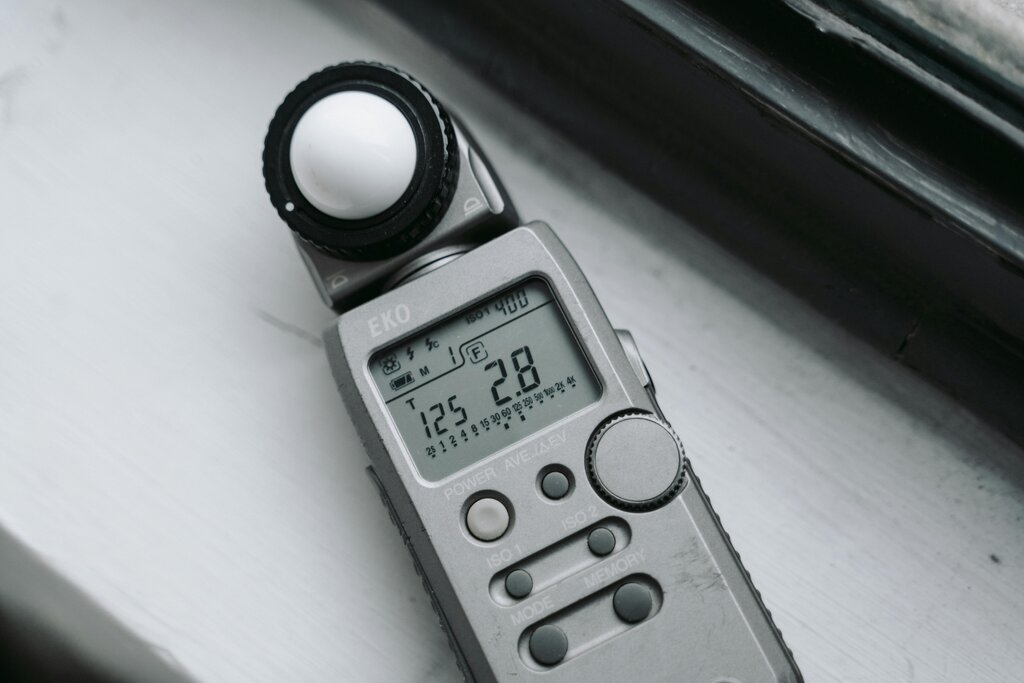
Manual mode allows you to interpret the light, not just measure it. You might want to create a bright, airy photo (overexposed) or a dark, moody one (underexposed). The exposure triangle gives you the tools to make these creative choices intentionally. By adjusting aperture, shutter speed, and ISO, you are controlling exactly how your camera captures the light to tell a story.
What is the primary advantage of using a camera's manual mode over its automatic mode?
The brightness of a photograph, known as its exposure, is controlled by a balance of which three settings?
That's the basic idea behind shooting in manual mode. It's all about the interplay of light and three key settings. In the next sections, we'll dive deeper into each component of the exposure triangle.