Mastering Management Styles
Introduction to Management Styles
What Is a Management Style?
A management style isn't just a set of rules a manager follows. It's their consistent way of directing, motivating, and guiding a team. Think of it as a manager's default operating system for handling tasks, making decisions, and relating to their employees. It shows up in everything they do, from running meetings to giving feedback.
A leadership style is more than just a unique approach to handling day-to-day management tasks; it encompasses a consistent pattern of actions, attitudes, and behaviors that define how a leader confronts challenges, interacts with team members, and shapes the organization's culture.
This pattern of behavior has a huge impact. The right style can create an environment where people feel motivated, valued, and empowered to do their best work. It builds trust and encourages collaboration. On the other hand, an ineffective style can lead to confusion, low morale, and high turnover, holding back even the most talented teams.
The right management style helps build strong teams, inspire workers, and create a positive work environment.
What Shapes a Manager's Style?
No manager operates in a vacuum. Their style is shaped by a mix of factors, both inside and outside the organization. Understanding these influences is key to seeing why a manager might choose one approach over another.
Internal Factors are elements within the organization itself. These include:
- Company Culture & Policies: The overall values and rules of the workplace. A company that values innovation might encourage more flexible management than one focused on safety and regulation.
- Staff Skills: The experience level of the team. A group of senior experts might need less direct supervision than a team of new trainees.
- The Task Itself: The nature of the work matters. A creative brainstorming session calls for a different style than an emergency response situation.
External Factors come from outside the company's walls. These can be:
- Market Conditions: In a fast-growing, competitive market, managers might need to be decisive and quick. In a stable market, there may be more time for collaborative planning.
- Industry Norms: Certain fields have established ways of working. A tech startup will likely have a different management culture than a government agency.
- Legal Requirements: Laws and regulations, like health and safety standards, can dictate certain non-negotiable processes and management oversight.
The Ripple Effect of Style
A manager's style doesn't just affect their direct reports; it sends ripples across the entire organization. It's one of the most powerful forces in shaping the day-to-day reality of work.
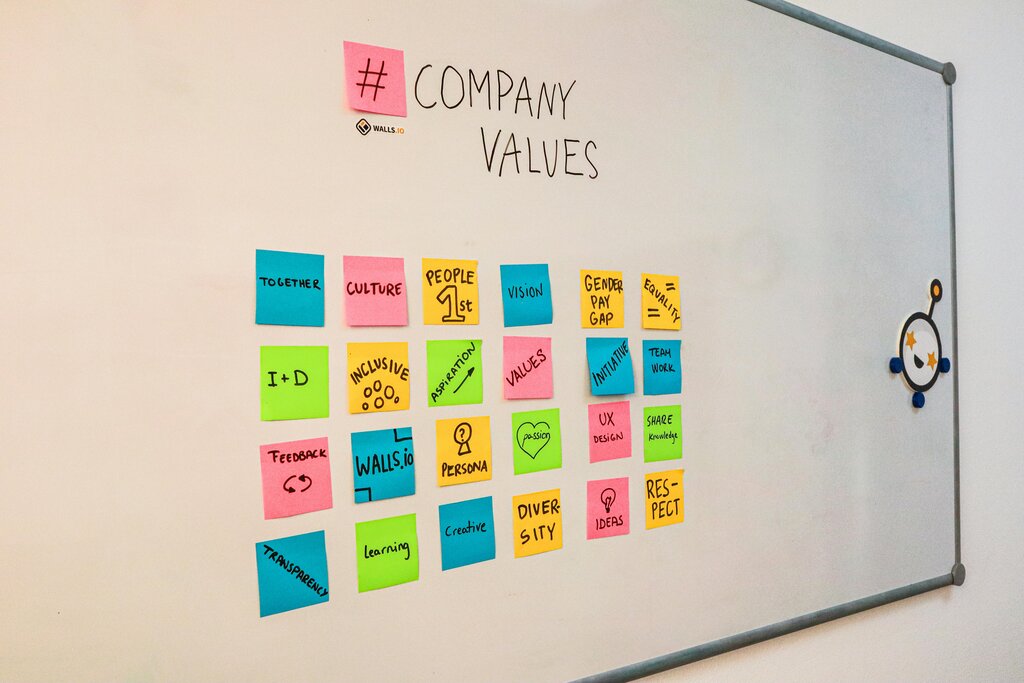
The most immediate impact is on workplace culture. A manager who is open, trusting, and supportive will foster a culture of psychological safety, where team members feel comfortable sharing ideas and taking risks. In contrast, a manager who micromanages and is overly critical can create a culture of fear and anxiety, stifling creativity.
This directly ties into employee engagement and productivity. When employees feel their manager trusts and supports them, they are more likely to be engaged, motivated, and committed to their work. They invest more discretionary effort, going beyond their basic job requirements. This leads to higher quality work, better problem-solving, and ultimately, greater productivity for the entire team.
What is the best definition of a management style?
Which of the following is considered an external factor that shapes a manager's style?
Now that you understand what a management style is and the factors that shape it, you're ready to explore the different types of styles managers use.