Mastering Mainframe System Automation 4.3
Introduction to Mainframe Automation
The Automated Mainframe
Mainframe computers are the powerful workhorses behind many of the world's largest organizations, processing billions of transactions for banking, healthcare, and retail every single day. But with great power comes great complexity. Mainframe automation is the practice of using software to manage these systems, reducing the need for manual human intervention.
mainframe
noun
A high-performance computer used for large-scale computing purposes that require high volumes of data processing.
Think of it like an orchestra. A human conductor can lead the musicians, but what if you could teach the instruments to play perfectly in sync on their own? Automation acts as that invisible conductor for the mainframe, ensuring all its complex parts work together harmoniously to perform routine tasks, monitor system health, and respond to events automatically.
The goal isn't to replace people, but to free them from repetitive, error-prone tasks so they can focus on more strategic work.
A Quick Trip Through Time
Early mainframes were massive machines that filled entire rooms. They required teams of operators to physically load programs, mount magnetic tapes, and monitor walls of blinking lights and gauges. Every task was a manual process, demanding constant attention and a high level of expertise.
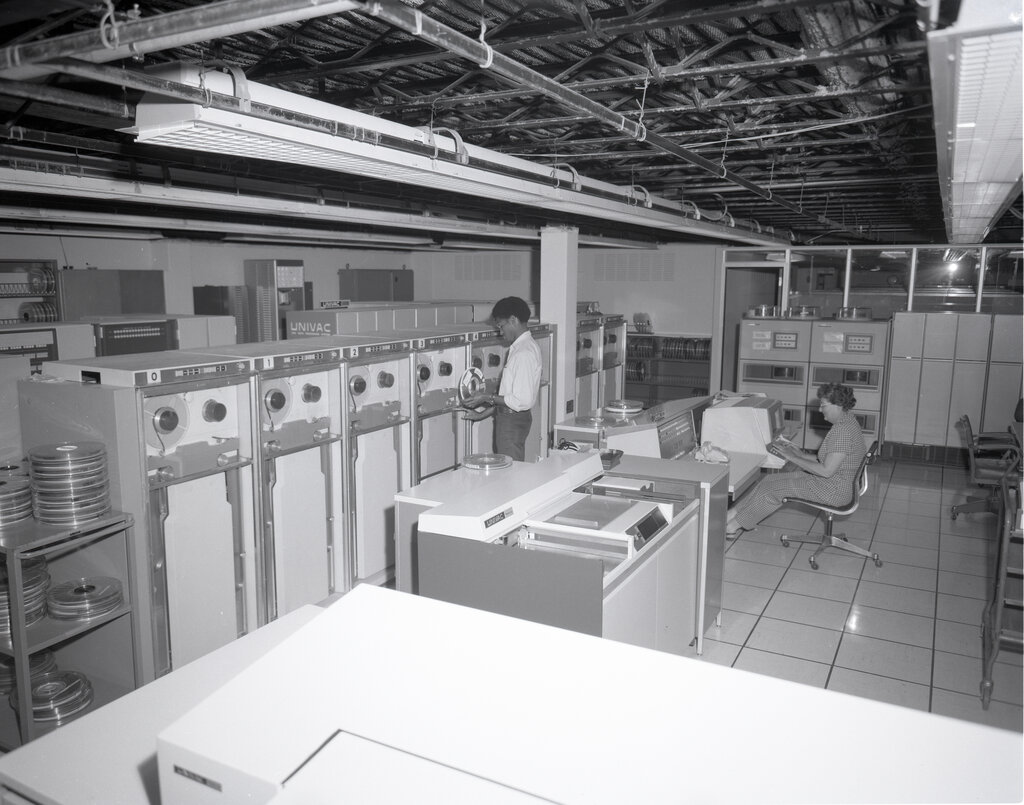
As these systems evolved, they became vastly more powerful and capable of running thousands of processes simultaneously. This explosion in complexity made purely manual operation impractical. The sheer volume of tasks and system messages became too much for human teams to handle efficiently. A single mistake could cause significant downtime or data errors. This created a clear and urgent need for automation.
Why Automate a Mainframe?
Automating mainframe operations isn't just a matter of convenience; it's a necessity for modern IT. The benefits are significant:
- Increased Efficiency: Automation handles routine jobs like system startups, backups, and monitoring without human input. This frees up skilled IT professionals to work on innovation and problem-solving.
- Improved Reliability: Automated systems execute tasks with perfect consistency every time. This reduces the risk of human error, leading to more stable systems and better uptime.
- Faster Response Times: An automation tool can detect a problem and initiate a corrective action in milliseconds, far faster than a human operator could even notice the alert.
- Cost Savings: By minimizing errors, reducing downtime, and making staff more productive, automation helps lower the overall cost of operating a mainframe.
This is why the mainframe has been and continues to be used by organizations to host their most important, mission-critical applications.
The Automation Toolkit
There isn't a single button for "automate mainframe." Instead, a variety of specialized tools work together to manage different aspects of the system. While we won't dive into specific products, these tools generally fall into a few key categories.
| Tool Category | Primary Function |
|---|---|
| Job Scheduling | Automatically runs batches of programs at scheduled times or based on specific triggers. |
| Performance Monitoring | Continuously tracks system health and resource usage, flagging potential issues. |
| Console Automation | Reads system messages and automatically responds to routine events or alerts. |
| Resource Provisioning | Manages the allocation of computing resources like memory and processing power. |
Together, these tools create a comprehensive automation strategy. They allow mainframes to run smoothly and efficiently, ensuring the critical applications they support are always available.
Now, let's review what you've learned about the fundamentals of mainframe automation.
What is the primary goal of mainframe automation?
Which of the following is a direct benefit of faster response times achieved through mainframe automation?
Understanding these core concepts is the first step in appreciating how automation keeps these vital systems running in the background of our digital world.