Mastering Long Distance Ski Touring
Introduction to Ski Touring
The Freedom of Uphill Travel
Long before ski lifts dotted mountainsides, skis were a fundamental tool for transportation in snowy climates. People used them to hunt, trade, and travel between villages. This is the origin of ski touring: moving across a winter landscape under your own power, both uphill and down.
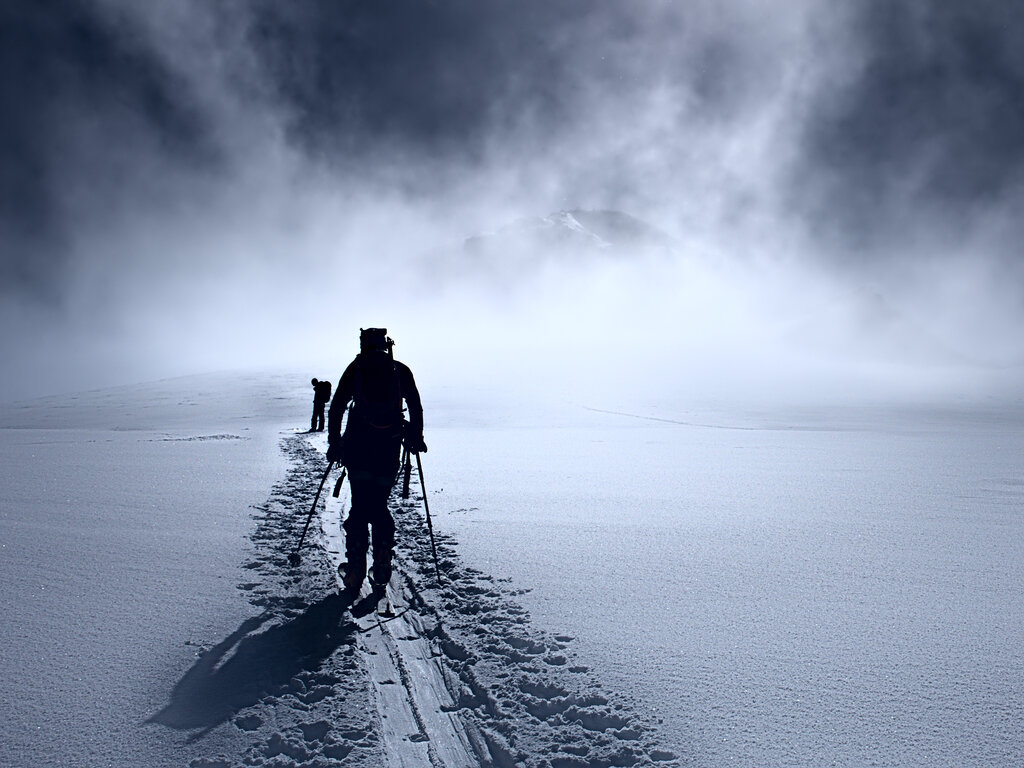
Modern ski touring, also known as backcountry skiing, blends this old-world necessity with the thrill of recreation. Instead of relying on resorts, tourers seek out untouched snow and quiet mountains. It’s about the journey as much as the descent. You earn your turns by climbing the mountain first, which provides a unique sense of accomplishment and a deep connection to the environment.
Touring vs. Other Skiing
While they all involve sliding on snow, different skiing disciplines have distinct goals and require different gear. Resort skiing is focused purely on the downhill, using lifts for ascent. Cross-country skiing is typically done on flatter or gently rolling terrain, emphasizing endurance and rhythmic motion. Ski touring is the hybrid that takes on mountains.
| Feature | Resort Skiing | Cross-Country Skiing | Ski Touring |
|---|---|---|---|
| Primary Goal | Downhill descent | Long-distance travel | Ascent and descent |
| Terrain | Groomed slopes, marked trails | Flat or rolling tracks | Ungroomed mountains |
| Uphill Travel | Ski lifts | Self-propelled (kicking & gliding) | Self-propelled (climbing with skins) |
| Environment | Controlled, patrolled area | Marked trail systems | Wild, uncontrolled backcountry |
The key difference lies in the freedom to travel uphill on skis. Tourers use special bindings that allow the heel to lift freely for a natural walking motion. They also attach synthetic "skins" to the bottom of their skis, which have directional fibers that grip the snow to prevent sliding backward while climbing.
Preparing for the Journey
Ski touring is physically demanding. It requires a solid base of cardiovascular fitness for the long climbs and the leg strength to ski down in variable, ungroomed snow. Think of it as combining a long hike with a challenging ski run. Building endurance through activities like running, cycling, or hiking is essential preparation.
Mental readiness is just as important as physical fitness. In the backcountry, you are responsible for your own safety, navigation, and decision-making.
This means being prepared for changing weather, navigating unfamiliar terrain, and maintaining awareness of your surroundings and your group. It's about being self-reliant. Patience and resilience are key, as a single tour can take many hours and present unexpected challenges. You need to be comfortable making decisions when you're tired and the conditions are less than perfect.
Reading the Mountain
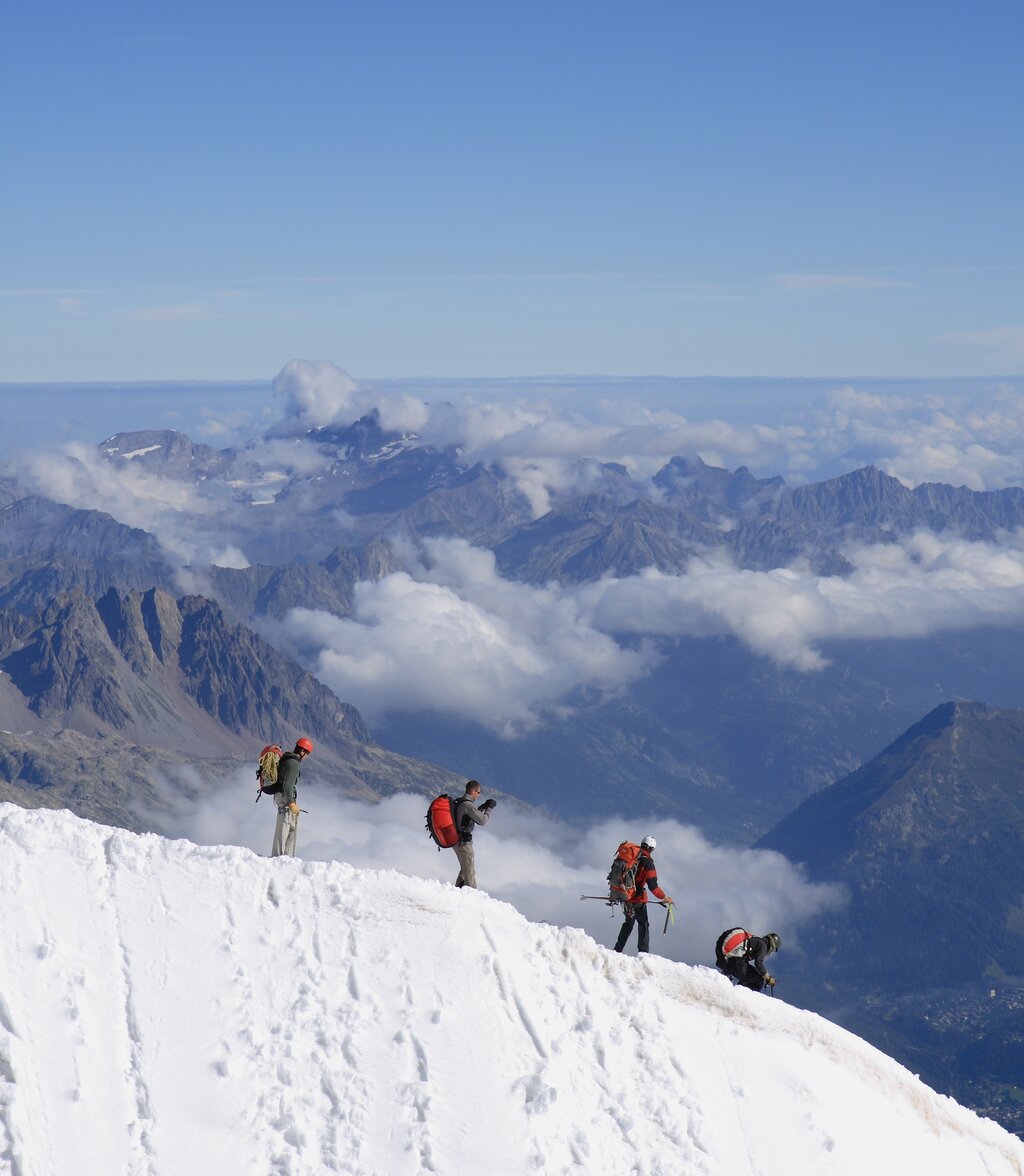
Unlike the predictable, groomed snow at a ski resort, the backcountry offers a huge variety of snow conditions. You might encounter deep, light powder, wind-blown crust, heavy wet snow, and icy patches all on the same day. Learning to recognize these conditions is a foundational skill for efficient and safe travel.
Terrain assessment is another crucial element. This involves looking at the mountain and understanding its features. Start by noticing the basics:
- Slope Angle: How steep is the terrain? Steeper slopes can be more challenging to climb and ski, and they also carry a higher risk of avalanches.
- Aspect: Which direction does the slope face? A south-facing slope gets more sun, which affects the snow differently than a shady, north-facing slope.
- Terrain Traps: Are there gullies, cliffs, or dense trees below? These are places where the consequences of a fall or slide are more severe.
This is just the first step. A deep understanding of snowpack and avalanche dynamics is critical for anyone venturing into the backcountry, but it starts with simply observing and thinking critically about the terrain around you.
Ready to check your understanding?
What was the original purpose of skis long before they were used for recreation?
What combination of equipment is essential for allowing a skier to travel uphill during a ski tour?
With these fundamentals in mind, you're ready to learn about the specific gear that makes climbing mountains on skis possible.