Mastering Logistics Information Systems
Logistics Information Systems Overview
The Brain of the Operation
Think of a busy shipping port. You have ships arriving, containers being unloaded, trucks waiting, and warehouses needing to store everything. How does it all work without descending into chaos? The answer lies in a central system that directs all the moving pieces. In logistics, this is the Logistics Information System, or LIS.
An LIS is the digital backbone for managing the flow of goods. It's a combination of hardware and software that collects, processes, and shares information across the entire supply chain. Its main job is to give managers the data they need to make smart, timely decisions about moving products from point A to point B efficiently.
Essentially, an LIS turns raw data from every step of the logistics process into actionable intelligence. This helps a company plan its operations, execute them smoothly, and control everything from inventory levels to delivery schedules.
The Core Components
A Logistics Information System isn't a single piece of software. It's usually a suite of interconnected tools, each with a specific job. While the exact setup can vary, most LIS platforms are built around a few key components.
The Warehouse Management System (WMS) focuses on everything that happens inside a distribution center. It tracks every item from receiving to shipping, directs staff on where to shelve products, and creates efficient pick-and-pack lists for outgoing orders. A good WMS maximizes space and minimizes the time it takes to find and ship an item.
The Transportation Management System (TMS) handles the movement of goods outside the warehouse. It helps plan the most efficient shipping routes, select the best carriers based on cost and speed, and track shipments in real time. A TMS is crucial for managing fuel costs and ensuring on-time deliveries.
An Inventory Control System (ICS) provides a high-level view of all products a company owns, no matter where they are. It monitors stock levels across all locations, helps forecast future demand, and can even automate the process of reordering products when they run low. Its goal is to prevent stockouts while avoiding the cost of holding too much inventory.
Finally, the Order Management System (OMS) manages the entire lifecycle of a customer's order. From the moment an order is placed until it's delivered, the OMS keeps track of its status, communicates with the WMS to get it fulfilled, and updates the customer along the way.
A Unified View of the Supply Chain
The real power of an LIS comes from how it integrates these components. By sharing data seamlessly, the LIS creates a single, unified view of the entire logistics operation. When the OMS receives a new order, it instantly communicates with the ICS to check stock levels. The ICS then alerts the WMS at the nearest warehouse to prepare the shipment. Once it's ready, the WMS signals the TMS to arrange for pickup and delivery.
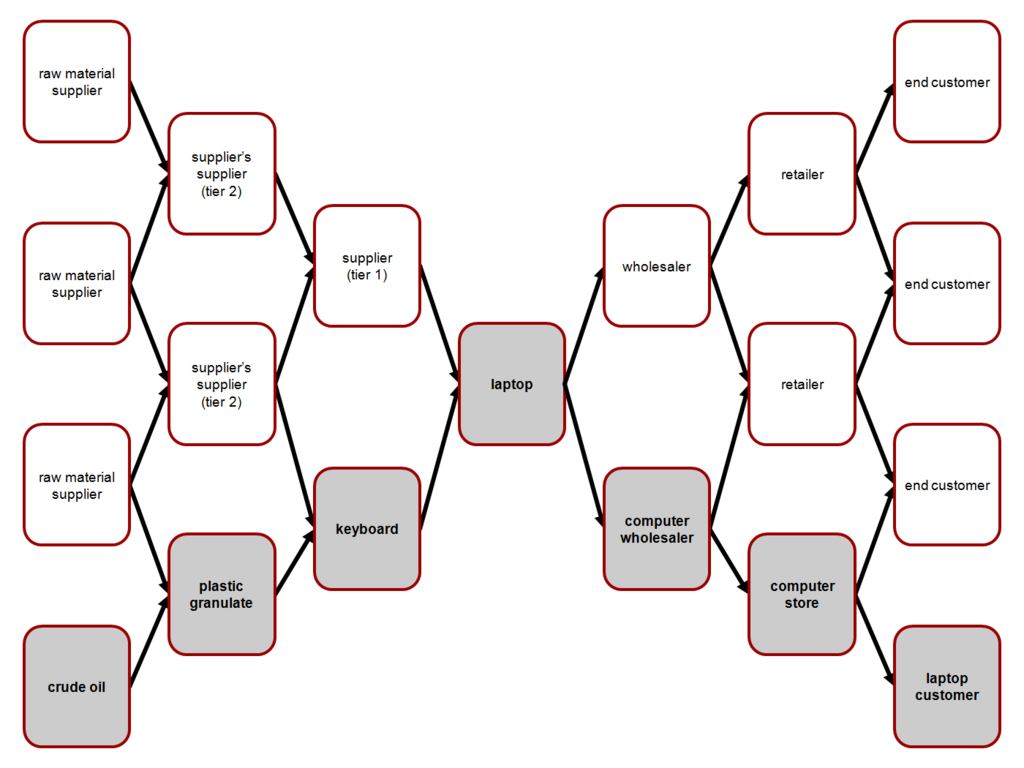
This integration is what transforms logistics from a series of separate, disjointed steps into a fluid, coordinated process. It allows managers to see how a delay in one area, like a shipment stuck in traffic, might affect another, like a warehouse's ability to fulfill orders. This visibility allows them to proactively solve problems and keep the supply chain running smoothly.
By centralizing information, an LIS helps align the goals of different logistics functions. The warehousing team isn't just focused on its own efficiency; it sees how its performance impacts transportation costs and customer satisfaction. This shared perspective helps optimize the entire supply chain, not just individual parts of it.
What is the primary purpose of a Logistics Information System (LIS)?
A manager needs to optimize pick-and-pack routes and track every item's location within a large distribution center. Which system would they use?
Ultimately, a well-implemented LIS provides the foundation for an efficient, responsive, and reliable supply chain.