Mastering LLM Pre-training
Introduction to Large Language Models
What Are Large Language Models?
A Large Language Model, or LLM, is a type of artificial intelligence designed to understand and generate human language. Think of it as a sophisticated prediction engine. At its core, it tries to guess the next word in a sequence, but it does this with a breathtaking level of accuracy and context awareness. It's not just repeating phrases it has seen before; it's generating new, coherent text based on patterns learned from a massive amount of information.
LLMs are trained on vast datasets of text and code, allowing them to learn the nuances of grammar, facts, reasoning abilities, and even styles of writing.
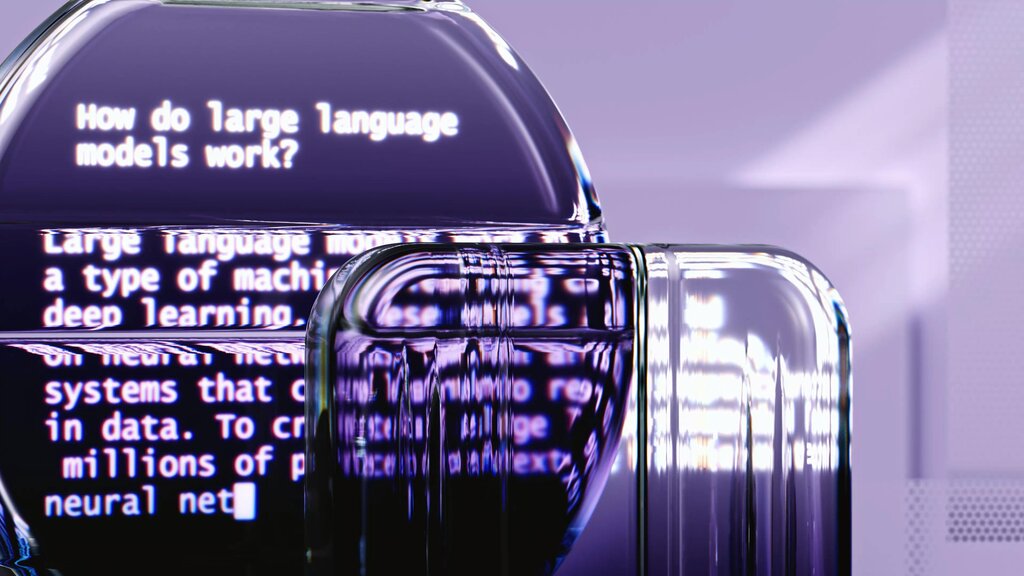
This ability to predict the next word is more powerful than it sounds. It's the foundation for everything from answering complex questions to writing poetry, translating languages, and even generating computer code. The "large" in their name refers to two things: the enormous volume of data they are trained on and the huge number of parameters, or internal variables, the model uses to make its predictions.
A Brief History
The journey to today's LLMs is built on decades of research in computer science and linguistics. Early language models were statistical, often relying on counting how often words appeared next to each other. These were useful but limited, unable to capture the deeper meaning or long-range dependencies in language.
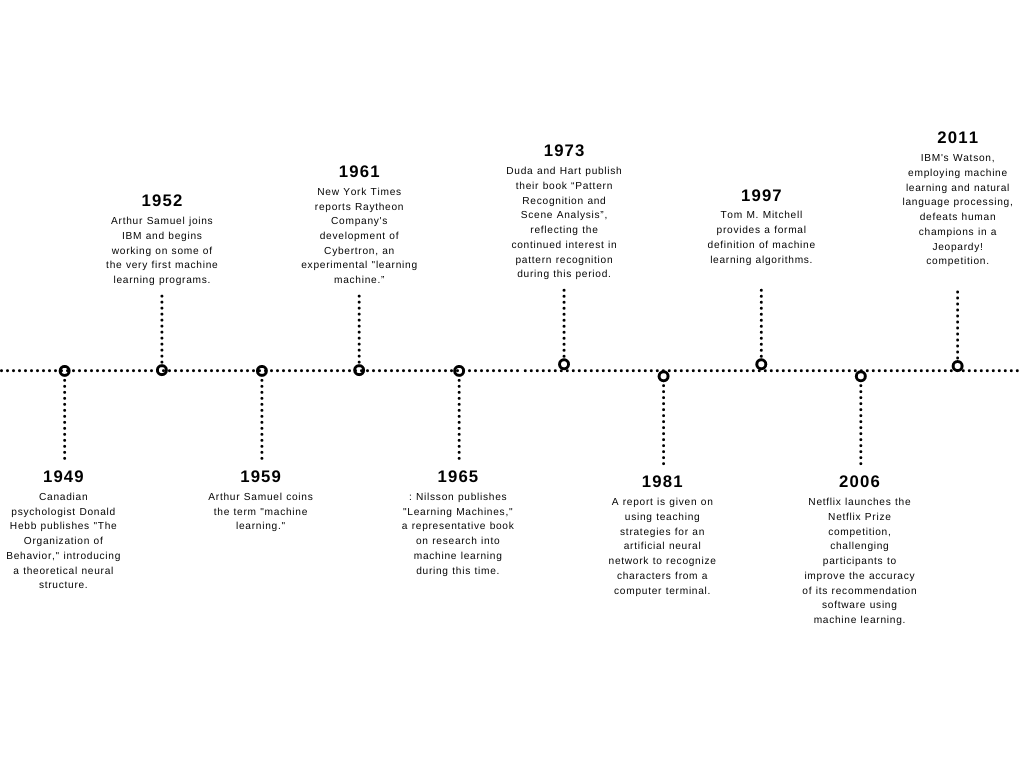
A major breakthrough came with the development of neural networks, which are computing systems inspired by the human brain. These models could learn more complex patterns. The real game-changer, however, was a specific neural network architecture introduced in 2017: the Transformer.
Recent advancements in Large Language Models (LLMs), particularly those built on Transformer architectures, have significantly broadened the scope of natural language processing (NLP) applications, transcending their initial use in chatbot technology.
The Transformer architecture was exceptionally good at handling sequential data like text, allowing models to weigh the importance of different words when processing a sentence. This innovation paved the way for models to become much larger and more capable, leading directly to the powerful LLMs we see today.
Understanding the Architecture
Without getting too deep into the mechanics, we can think of an LLM's architecture as a series of interconnected layers. When you give it a prompt, your text is first converted into numbers that the machine can understand. This process is called tokenization.
token
noun
A token is a piece of a word, a whole word, or a group of words that a language model uses as a basic unit for processing text.
These numerical representations, or tokens, then pass through the model's layers. Each layer refines the model's understanding of the tokens in relation to each other. The key mechanism inside these layers is called "attention," which allows the model to focus on the most relevant parts of the input text to inform its prediction for the next word. The final layer converts the model's internal calculations back into human-readable text.
This layered approach, combined with the attention mechanism, lets the model grasp context, nuance, and complex relationships within the text.
What Can LLMs Do?
The applications of LLMs are vast and growing every day. They are being integrated into tools across nearly every industry. Common use cases include:
| Application | Description |
|---|---|
| Content Creation | Writing articles, emails, marketing copy, and even creative fiction. |
| Summarization | Condensing long documents, articles, or meetings into key points. |
| Translation | Translating text between different languages with high accuracy. |
| Chatbots | Powering sophisticated customer service bots and virtual assistants. |
| Code Generation | Writing computer code in various programming languages based on natural language descriptions. |
| Sentiment Analysis | Determining the emotional tone behind a piece of text. |
These models are fundamentally changing how we interact with information and technology, making it more intuitive and accessible.
Ready to check your understanding?
At its most fundamental level, what is a Large Language Model designed to do?
The 'large' in Large Language Model refers to the enormous volume of training data and the huge number of internal parameters the model uses.
This foundation gives you a starting point for understanding how these powerful models work. Next, we'll explore the crucial steps involved in preparing data to train them.