Mastering LLM Context
Introduction to Large Language Models
What Are LLMs?
Large Language Models, or LLMs, are a type of artificial intelligence designed to understand and generate human-like text. Think of an LLM as a very advanced prediction engine for language. Its main job is to guess the next word in a sentence, and it gets remarkably good at this by learning from a massive amount of text.
The "Large" in its name refers to two things: the enormous size of the datasets it's trained on and the huge number of parameters it uses. These parameters are like adjustable knobs that the model tunes during its training process to capture the patterns, grammar, context, and nuances of human language.
Parameter
noun
In machine learning, a parameter is a variable that the model uses to make predictions. The model adjusts these variables during training to improve its performance.
The Engine Inside
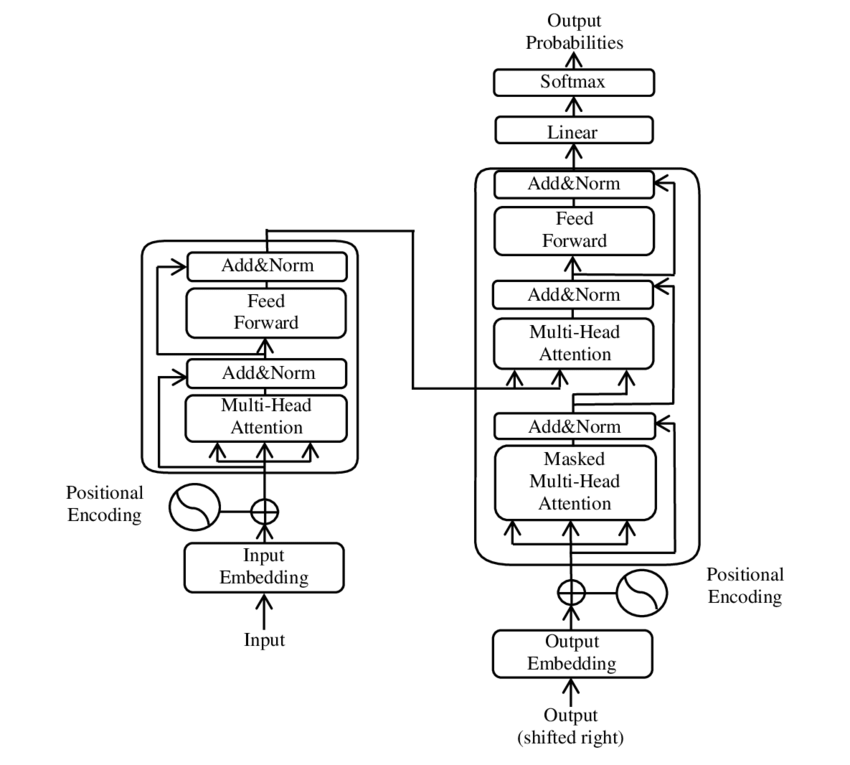
The breakthrough technology that powers modern LLMs is called the Transformer architecture. Before Transformers, older models struggled to keep track of context in long sentences. They would often forget the beginning of a paragraph by the time they reached the end.
The Transformer solved this problem with a clever concept called the "attention mechanism."
The attention mechanism allows the model to weigh the importance of different words in the input text when processing and generating language. It decides which parts of the text to focus on.
Imagine you're reading the sentence: "The cat, which was hiding under the table, quickly darted away when it saw the dog." To understand what "it" refers to, your brain instinctively pays more attention to "the cat" than to words like "table" or "dog." The attention mechanism does something similar. It helps the model understand relationships between words, even if they are far apart in the text. This ability to handle long-range dependencies is what makes LLMs so powerful at creating coherent and contextually relevant text.
How LLMs Learn
An LLM isn't explicitly taught grammar rules. Instead, it learns by finding statistical patterns in colossal amounts of text data. The training process involves feeding the model text from websites, books, articles, and other sources, and asking it to predict the next word over and over again. When it gets a prediction wrong, it adjusts its internal parameters to improve its next guess.
This process is repeated billions of times. Over time, the model builds an intricate internal representation of language. It learns grammar, facts, reasoning abilities, and even certain styles of writing, all from the patterns it observes in the data.
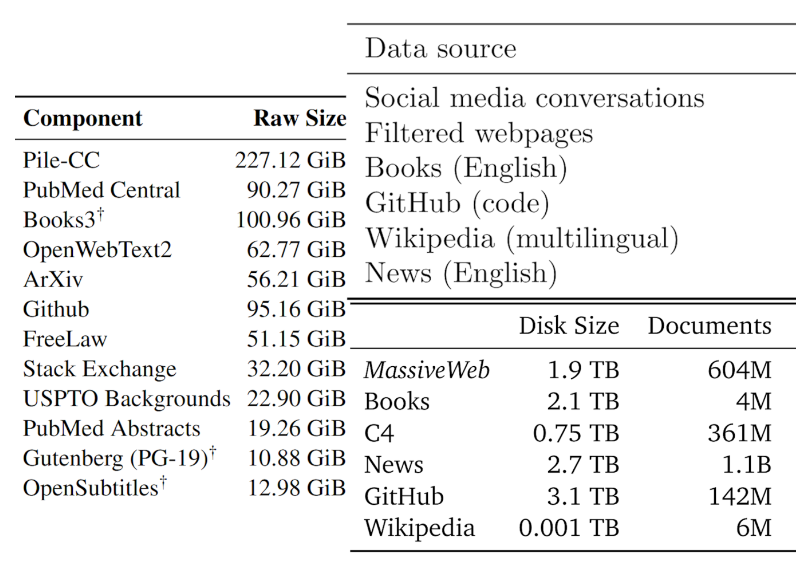
This training phase is incredibly resource-intensive, requiring immense computing power and time. Once this initial "pre-training" is complete, the general-purpose model can be fine-tuned on smaller, more specific datasets to make it better at particular tasks, like answering customer service questions or writing computer code.
What Can LLMs Do?
Because they are so versatile, LLMs are used in a wide array of applications. Their core ability to understand and generate text makes them useful for many different tasks. Here are a few common examples:
| Application | Description |
|---|---|
| Content Creation | Writing articles, emails, marketing copy, and even creative stories. |
| Summarization | Condensing long documents, articles, or conversations into key points. |
| Translation | Translating text from one language to another with improved accuracy. |
| Chatbots | Powering sophisticated conversational agents for customer service or assistance. |
| Code Generation | Writing and debugging computer code based on natural language descriptions. |
The capabilities of LLMs are constantly expanding as the models become larger and the training techniques more refined. They represent a major step forward in making computers that can interact with us in our own language.
What is the primary function of a Large Language Model (LLM)?
The "Large" in Large Language Model refers to the massive size of its training data and what other key aspect?