Mastering Literary Analysis
Introduction to Literary Analysis
What Is Literary Analysis?
Reading a story can feel like a one-way street: the author tells, and you listen. But literary analysis turns it into a conversation. It’s the process of looking closely at a text to figure out how it works and what it means on a deeper level.
Instead of just asking, “What happened?” you start asking, “Why did it happen this way?” You're not just summarizing the plot; you're investigating the author's choices. Think of yourself as a detective, and the book is your crime scene. Every word, character, and plot point is a clue left behind by the author, and your job is to piece them together to understand the bigger picture.
Reading Like a Detective
To analyze a text, you first need to change how you read. Passive reading is for pure entertainment. Active reading is for understanding. It's a slower, more deliberate process where you engage directly with the material. This means reading with a pen in hand, ready to question everything.
As you read, constantly ask questions. Why did the author use that specific word? What does this character's action reveal? How does the setting influence the mood?
This questioning mindset is the core of active reading. It helps you notice details you might otherwise miss. The first step is to get comfortable with the fundamental building blocks that make up any story. These are the key areas where you'll find your most important clues.
The Building Blocks of a Story
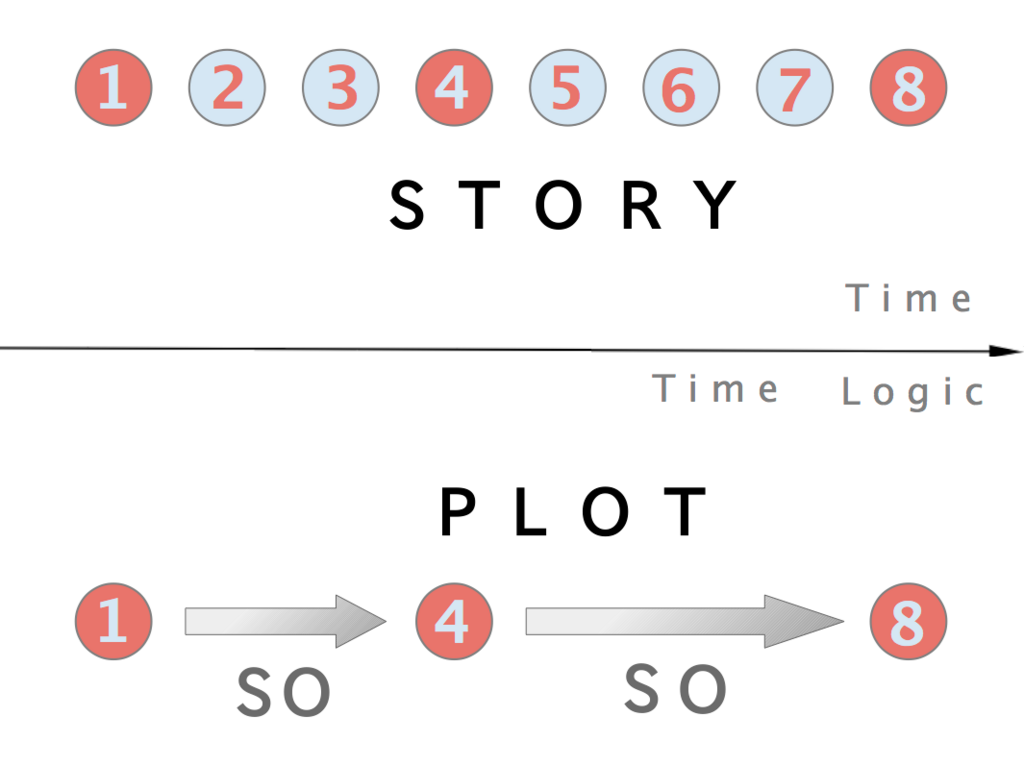
Every story, from a simple fable to a complex novel, is built from the same core components. By learning to identify and question them, you can start to deconstruct any narrative. The four most essential elements are plot, character, setting, and theme.
| Element | What It Is | Key Question |
|---|---|---|
| Plot | The sequence of events; what happens. | What are the main conflicts or turning points? |
| Character | The people or beings in the story. | What motivates this person? How do they change? |
| Setting | The time and place where the story occurs. | How does this environment affect the characters and events? |
| Theme | The central idea or message of the story. | What is the author trying to say about the world? |
These elements don't exist in isolation. They work together to create a unified whole. A character's motivations drive the plot. The setting can influence a character's choices. And the plot and characters together reveal the story's central theme.
Taking Smart Notes
Your brain can't hold onto every detail, so effective note-taking is crucial. But don't just write down what happens. Your notes should focus on your analysis. A good method is to create two columns in a notebook or document.
In the left column, jot down a significant quote or a brief description of an event. In the right column, write your own thoughts or questions about it. This connects the author's words directly to your interpretation.