Mastering Linear Regression
Introduction to Linear Regression
Finding the Pattern
Imagine you run an ice cream shop. You notice that on hotter days, you sell more ice cream. On cooler days, sales dip. There seems to be a connection, a pattern between the temperature outside and the number of scoops you sell. Linear regression is a way to describe this kind of relationship mathematically.
It helps us find a straight-line relationship between two or more things.
In our example, the temperature is the independent variable. It's the factor we think is causing a change. The ice cream sales are the dependent variable because the number of sales depends on the temperature. Linear regression draws a line through our data points (each day's temperature and sales) to show this relationship as clearly as possible.
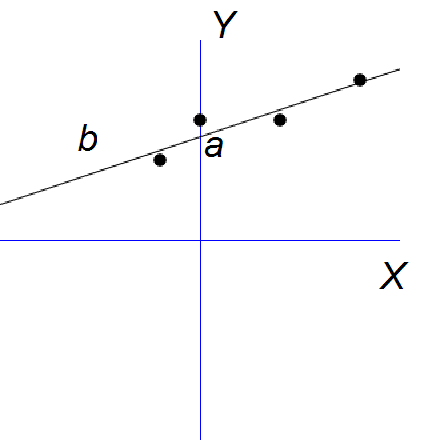
The goal is to find the single best line that cuts through the data. This line acts as a simple model of the relationship. Once we have this line, we can use it to make predictions. For example, if we know tomorrow's weather forecast, we can use our line to predict how much ice cream we're likely to sell.
One Cause or Many?
The ice cream example is a case of simple linear regression. We're using just one independent variable (temperature) to predict a dependent variable (sales).
But what if other factors are at play? Maybe sales are also affected by whether it's a weekday or a weekend, or if there's a local event happening nearby. When we use more than one independent variable to predict an outcome, it's called multiple linear regression.
| Type | Independent Variables | Example |
|---|---|---|
| Simple Linear Regression | One | Predicting sales from just temperature. |
| Multiple Linear Regression | Two or more | Predicting sales from temperature, day of the week, and advertising budget. |
Multiple linear regression can create more nuanced and accurate models because it accounts for several factors at once. It helps us understand which factors are most important and how they work together to influence the outcome.
Where It's Used
Linear regression is a foundational tool in many fields. It's used in:
- Economics to predict consumer spending or forecast GDP growth.
- Business to estimate product demand based on price and marketing spend.
- Real Estate to model house prices based on features like square footage, number of bedrooms, and location.
- Healthcare to analyze the effect of a new drug dosage on patients' blood pressure.
In each case, the goal is the same: to understand and quantify the relationship between variables to make better predictions about the future.
Time for a quick check on these new concepts.
What is the primary goal of linear regression?
In the ice cream shop example, where sales are predicted based on the daily temperature, the ice cream sales are the __________ variable.
Whether simple or multiple, linear regression provides a clear way to see the connections hidden within data.