Mastering Limbic Exercises
Introduction to the Limbic System
Your Brain's Emotional HQ
Deep inside your brain, tucked beneath the cerebral cortex, is a collection of structures working together to manage your emotions, memories, and basic drives. This network is called the limbic system. It's not a single, separate part of the brain but rather a group of interconnected regions that act as the headquarters for your emotional life.
Think of the limbic system as the bridge between your sensory experiences and your emotional responses. It's what makes you feel fear when you see a threat, joy when you hear good news, and nostalgia when you smell something from your childhood.
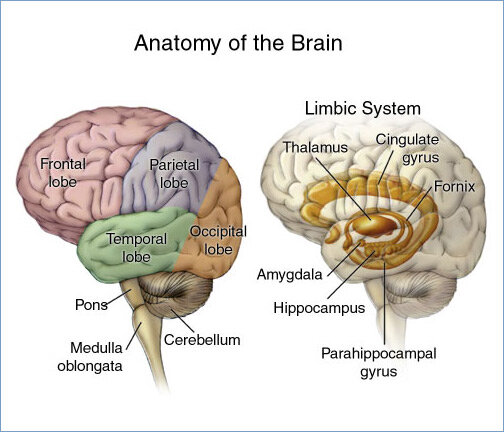
Understanding this system is the first step to understanding why you feel the way you do. While many structures are involved, four key players do most of the heavy lifting: the amygdala, the hippocampus, the hypothalamus, and the cingulate gyrus.
The Core Team
Let's meet the individual components of this emotional command center and see what each one brings to the team.
Amygdala
noun
Two small, almond-shaped clusters of neurons that act as the brain's primary emotional processing center, especially for fear, anxiety, and aggression.
The amygdala is your brain's smoke detector. It constantly scans incoming information from your senses for any sign of a threat. When it detects potential danger, it sounds the alarm, triggering an immediate emotional and physiological response before your conscious mind has even had time to process what's happening. This is why you might jump back from a snake-like object on the ground before you even realize it's just a stick.
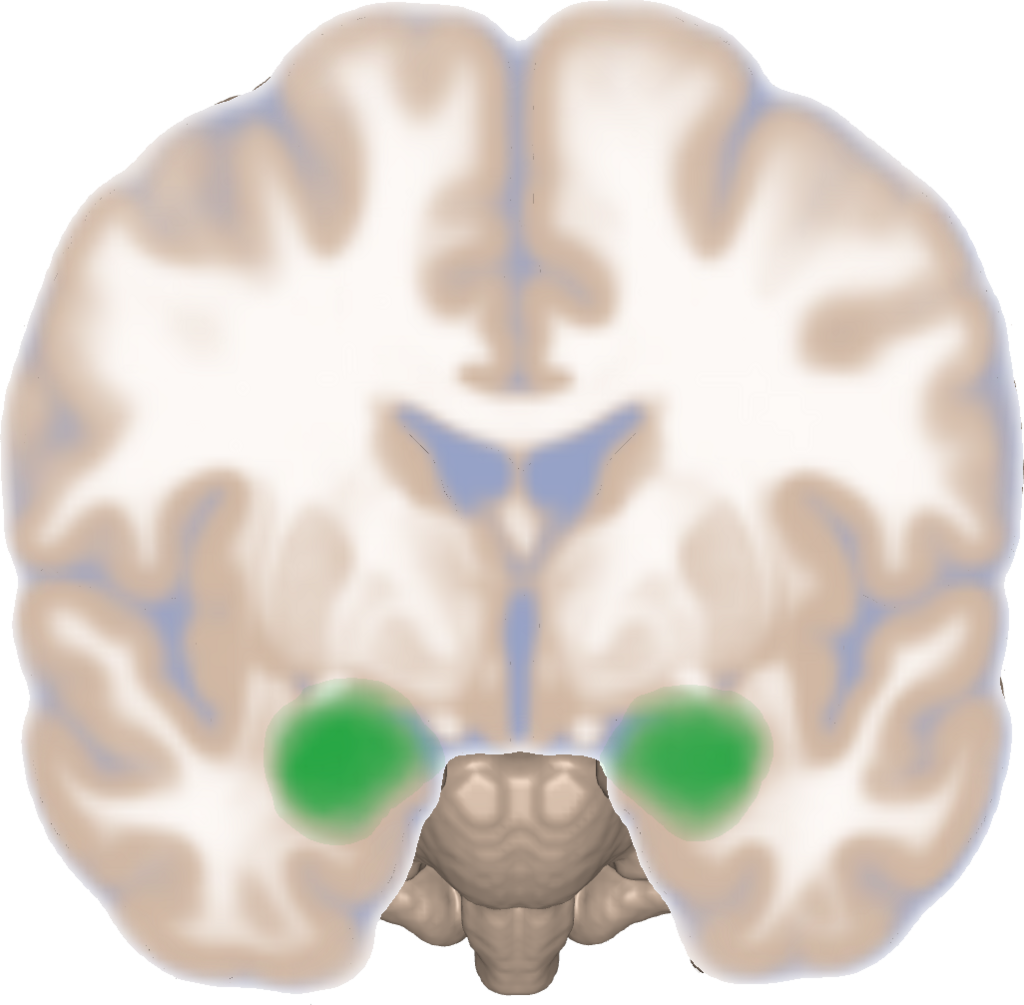
Next to the amygdala is the hippocampus. If the amygdala is the alarm system, the hippocampus is the brain's librarian or scrapbooker. Its main job is to convert short-term experiences into long-term memories. It takes the events of your day and files them away for later retrieval.
Hippocampus
noun
A seahorse-shaped structure crucial for the formation of new memories and for spatial navigation.
The hippocampus works closely with the amygdala to create emotionally charged memories. The amygdala flags an experience as emotionally significant—say, the joy of a surprise party—and the hippocampus then works to store that event in rich detail. This partnership is why emotional memories are often the most vivid and long-lasting.
The Regulators
Beyond immediate reactions and memory, the limbic system also helps regulate your body's internal state and focus your attention. Two other structures are essential for this: the hypothalamus and the cingulate gyrus.
The hypothalamus is tiny, about the size of an almond, but it has a massive job. It's the link between your nervous system and your endocrine system, which controls hormones.
It regulates essential survival functions like hunger, thirst, body temperature, and sleep cycles. When the amygdala sounds the alarm, the hypothalamus is what tells the adrenal glands to release cortisol and adrenaline, preparing your body to fight or flee. It's the manager that translates emotional signals into physical action.
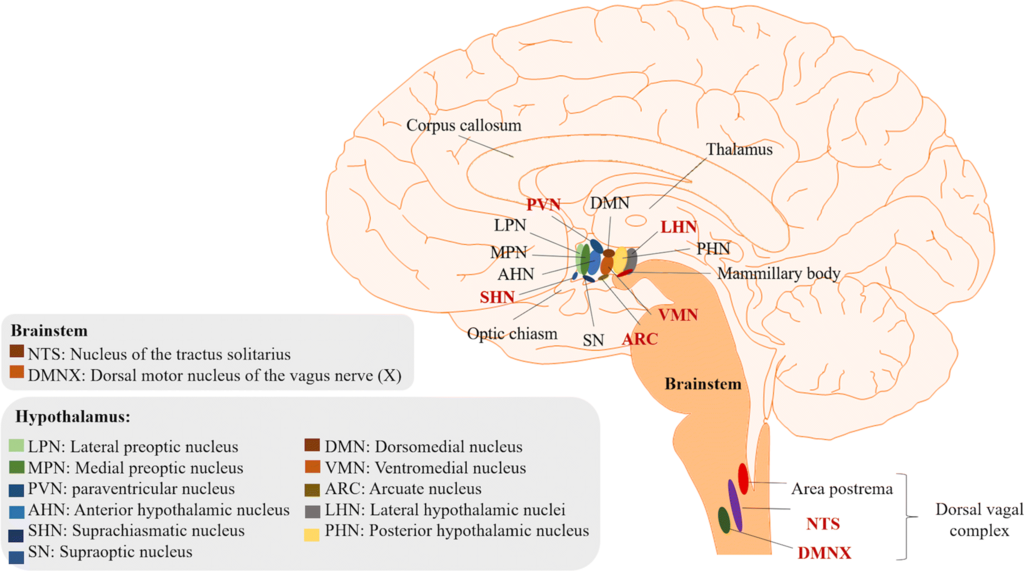
Finally, there's the cingulate gyrus. This curved structure sits just above the other parts of the limbic system. It acts as a go-between, connecting the emotional input from the limbic system with the analytical, decision-making parts of the cerebral cortex.
The cingulate gyrus helps you focus your attention on emotionally significant events and links behaviors to outcomes. It plays a role in processing how we feel about pain and helps regulate aggressive behavior. It's the part of the team that helps you learn from your emotional experiences and adjust your behavior accordingly.
Together, these four structures form the core of a complex network that shapes our emotional world. They process threats, form memories, regulate our bodies, and guide our behavior, all working in concert to create the rich tapestry of human feeling.