Mastering Light Roast Espresso
Roast Chemistry Fundamentals
The Science of Light Roasts
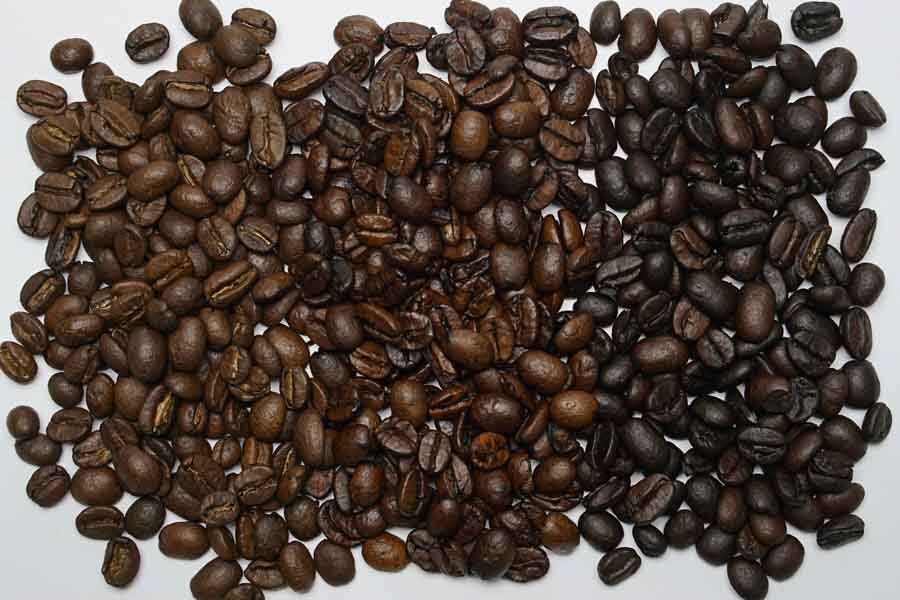
When you roast coffee, you're doing more than just turning a green bean brown. You're fundamentally changing its physical structure. Think of a dark roast like a piece of popcorn. It's been heated until it expands, becoming larger, more brittle, and full of tiny fractures and pores. This makes it easy for water to get inside and pull out the soluble compounds that create flavor.
A light roast, on the other hand, is more like a dense, toasted nut. It hasn't been heated long enough to fully expand. The bean's cellular structure is much tighter, less porous, and significantly harder. This density is the root of the challenge—and the unique reward—of brewing light roasts.
The Solubility Problem
Because light roast beans are so dense, they present a significant challenge to solubility. Water has a harder time penetrating the cell walls to dissolve the flavorful oils and solids. You have to work harder to achieve a balanced extraction. This means applying more energy, which is why brewing parameters for light roasts often involve finer grinds, hotter water, or longer brew times compared to their dark roast counterparts.
This structural difference also affects how beans hold onto gas. The roasting process creates a lot of carbon dioxide. In a porous dark roast, much of this gas escapes quickly. A dense light roast, however, traps more CO2 for a longer period. This retained gas can resist the water during brewing, making an even extraction even more difficult to achieve.
A Different Flavor Target
So why bother with these difficult beans? Because the flavor goal is completely different. Roasting is a balancing act between preserving delicate compounds and creating new ones.
Light roasts are all about preservation. They are dropped from the roaster before the bean's natural organic acids are broken down by heat. These are the compounds that give coffee its bright, fruity, and floral notes—think the crispness of a green apple (malic acid) or the tang of a lemon (citric acid).
As roasting continues into medium and dark territory, these acids degrade while sugars begin to caramelize. A series of chemical changes called the Maillard reaction takes over, creating the rich, toasty, and chocolatey flavors we associate with traditional coffee. You're trading the bean's original, delicate flavors for deeper, roast-developed ones.
| Characteristic | Light Roast | Dark Roast |
|---|---|---|
| Cell Structure | Dense, less porous | Brittle, highly porous |
| Solubility | Low | High |
| Key Flavor Source | Organic Acids | Caramelized Sugars |
| Common Notes | Fruity, floral, tea-like | Chocolate, nutty, smoky |
Understanding this trade-off is key. With a light roast, you aren't aiming for the same caramelized sweetness as a dark roast. Instead, the goal is to successfully extract those preserved acids and sugars to create a balanced, vibrant, and complex cup. This is why a standard 1:2 espresso ratio often fails for light roasts; it simply doesn't provide enough contact time or water to extract the necessary compounds from the dense, stubborn bean.