Mastering Lesson Planning
Understanding Educational Standards
The Blueprint for Learning
Educational standards are benchmarks that define what students should know and be able to do at a certain point in their education. Think of them like a blueprint for a house. The blueprint doesn't tell you which brand of hammer to use or the color to paint the walls, but it sets clear expectations for the final structure: where the walls go, how big the rooms are, and where the windows will be placed.
In the same way, educational standards ensure that a third grader in one school is learning the same core concepts in math as a third grader in another school across the state. They create a consistent, high-quality foundation for learning, giving teachers a clear set of goals for their students.
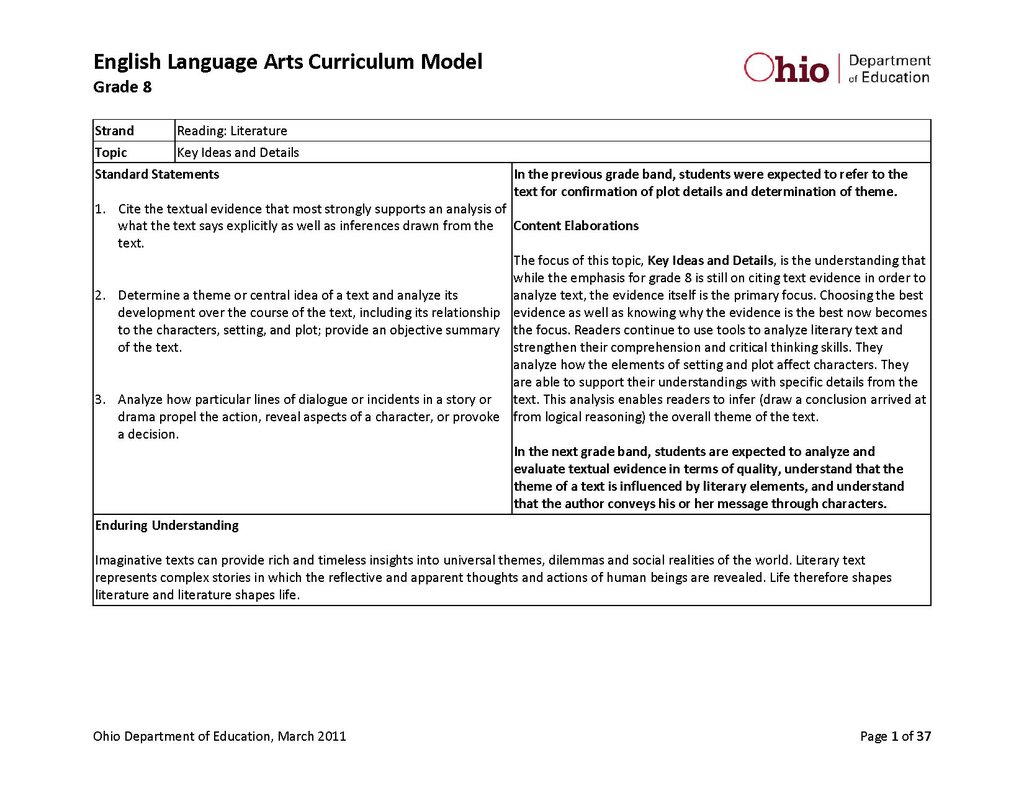
Different Levels of Standards
Standards aren't a one-size-fits-all document. They exist at different levels, each with a different scope.
-
National Standards: These are often broad guidelines suggested by educational organizations. They provide a common vision for what students should learn across the country but are typically voluntary.
-
State Standards: This is where the requirements become more concrete. Each state develops its own set of standards that public schools must follow. These are more detailed than national standards and are tailored to the state's specific educational goals.
-
Subject-Specific Standards: Within state guidelines, you'll find standards for individual subjects like mathematics, science, language arts, and social studies. These drill down to the specific skills and knowledge students need to master in each discipline.
Standards provide the destination. They tell teachers where students need to end up, but not the exact route to get there.
From Standards to the Classroom
So how do these high-level documents actually affect a student's day-to-day learning? Standards are the starting point for developing a curriculum. A curriculum is a more detailed plan that maps out what will be taught, in what order, over the course of a school year. It breaks down the broad goals of the standards into smaller, teachable units.
From there, teachers create their individual lesson plans. These are the daily activities, discussions, and assignments that bring the curriculum to life. This entire process starts with the standards.
Aligning lesson plans with standards is critical. It ensures that classroom instruction is purposeful and that students are building the knowledge and skills they need to succeed at their grade level and beyond.
The lesson library consists of a variety of lesson plans aligned with state standards.
Let's review what we've learned about educational standards.
The provided text compares educational standards to a blueprint for a house. What does this analogy primarily illustrate?
Which level of educational standard is typically voluntary and provides broad guidelines for learning across an entire country?
By setting clear goals, standards help ensure every student has access to a quality education, no matter where they go to school.