Mastering Legal Reading Comprehension
Introduction to Legal Texts
The Building Blocks of Law
The law isn't a single, massive book. It's a living system built from different kinds of documents, each with its own role. Understanding these core text types is the first step to understanding the legal world. We'll look at the three main players: statutes, case law, and contracts.
Statutes The Written Rules
Statutes are the laws passed by legislative bodies, like the U.S. Congress or your state legislature. Think of them as the official rulebook for society. They are proactive, setting out general rules to govern future conduct. If you've ever heard of the Clean Air Act or the Civil Rights Act, you were hearing about statutes.
These laws are usually organized systematically into what are called 'codes.' For instance, federal statutes are compiled in the United States Code. This structure makes it easy to find the specific rule you're looking for. A law about taxes will be in the tax code, while a law about traffic violations will be in the vehicle code. Each statute is broken down into numbered sections and subsections, allowing for precise citation.
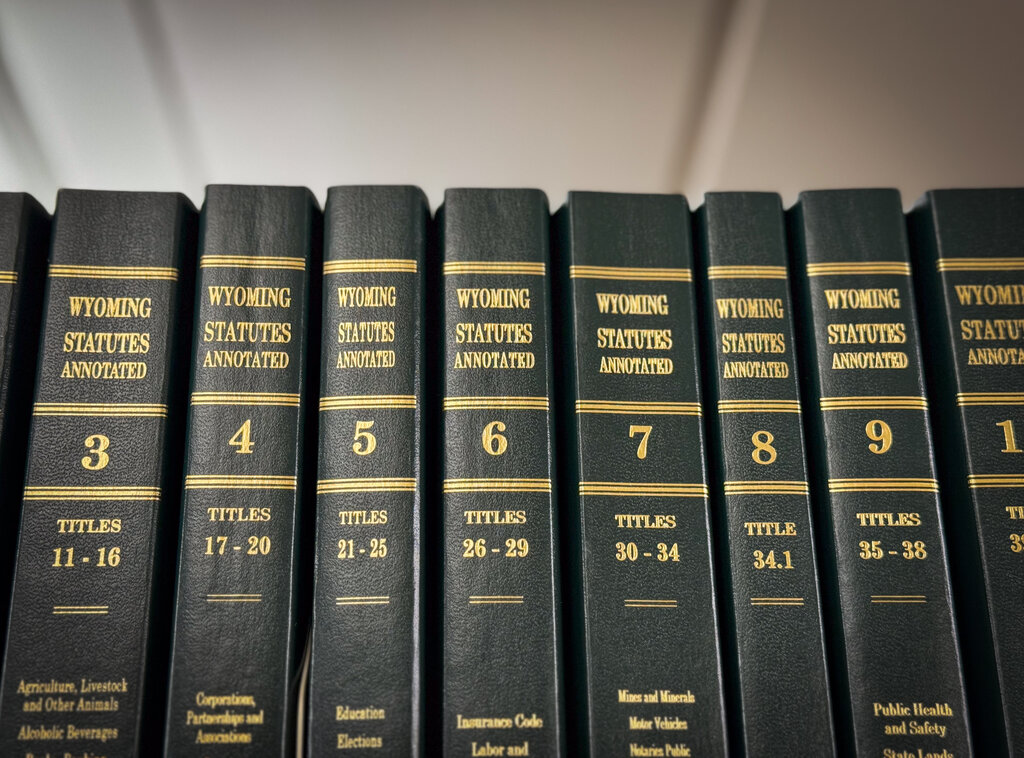
In short, a statute is a formal, written law created by a legislature to command or prohibit something.
Case Law The Law in Action
While statutes set the rules, case law is born from disputes. It consists of the decisions made by judges in actual court cases. These written decisions, called opinions, explain how and why a judge or group of judges decided a case a certain way. Case law is reactive; it addresses issues that have already happened.
The core principle behind case law is precedent. This means that when a court decides a case, that decision becomes a binding guide for how to handle similar cases in the future. This creates consistency and predictability. For example, a landmark Supreme Court decision becomes the law of the land, and all lower courts must follow it.
A typical judicial opinion has a clear structure. It starts with the names of the parties involved (e.g., Smith v. Jones). Then, it lays out the facts of the dispute, identifies the specific legal question the court needs to answer, and provides the court's reasoning. Finally, it states the court's final judgment, known as the holding.
Contracts The Agreements We Create
Unlike statutes and case law, which are created by the government, contracts are legally binding agreements created by private individuals or organizations. They are the bedrock of business and personal transactions, from signing a lease for an apartment to accepting the terms and conditions of a software update.
The purpose of a contract is to create a set of enforceable promises. If one party fails to uphold their end of the bargain, the other party can seek a legal remedy, such as payment for damages.
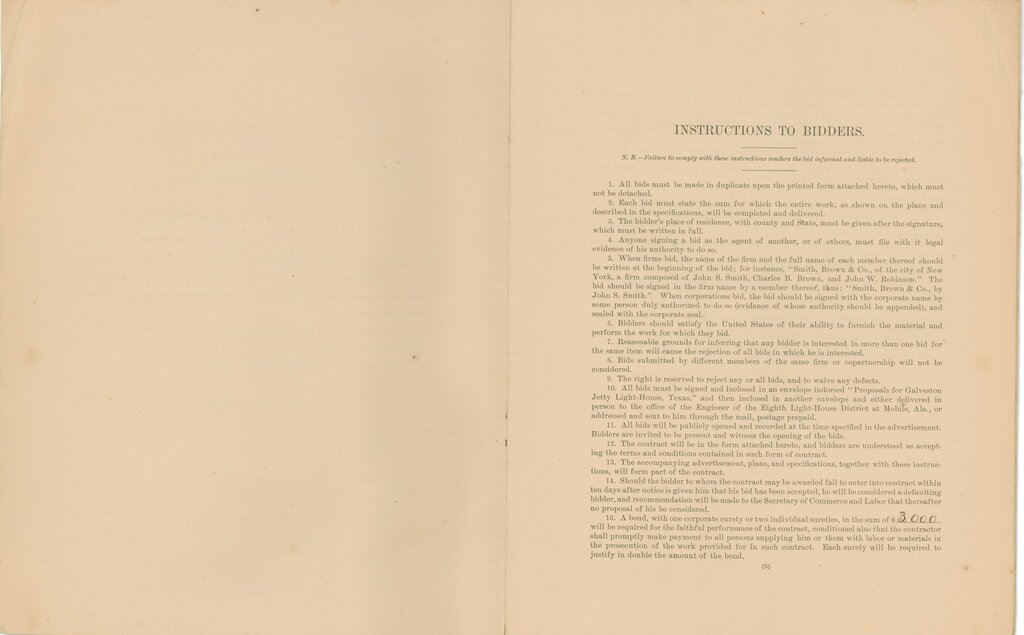
Contracts vary widely, but most share common components. They identify the parties involved, detail the specific obligations of each party (what they must do), state the 'consideration' (what is being exchanged, like money for a service), and list the terms and conditions that govern the agreement. They are signed to show that all parties have read and agreed to the terms.
| Document Type | Who Creates It? | What Is Its Purpose? |
|---|---|---|
| Statute | Legislative Branch (e.g., Congress) | To set general rules for society. |
| Case Law | Judicial Branch (Judges) | To resolve specific disputes and interpret laws. |
| Contract | Private Individuals or Entities | To create a legally enforceable agreement. |
Time for a quick check on these foundational concepts.
Which of the following best describes a statute?
The core principle of case law, where a court's decision becomes a binding guide for similar future cases, is known as ______.