Mastering Lease Renewals
Understanding Lease Agreements
What is a Lease?
At its heart, a lease is a legally binding contract. It’s an agreement between a landlord, who owns a property, and a tenant, who pays to live there. Think of it as the official rulebook for your rental relationship. It lays out what's expected from both you and your landlord for a specific period.
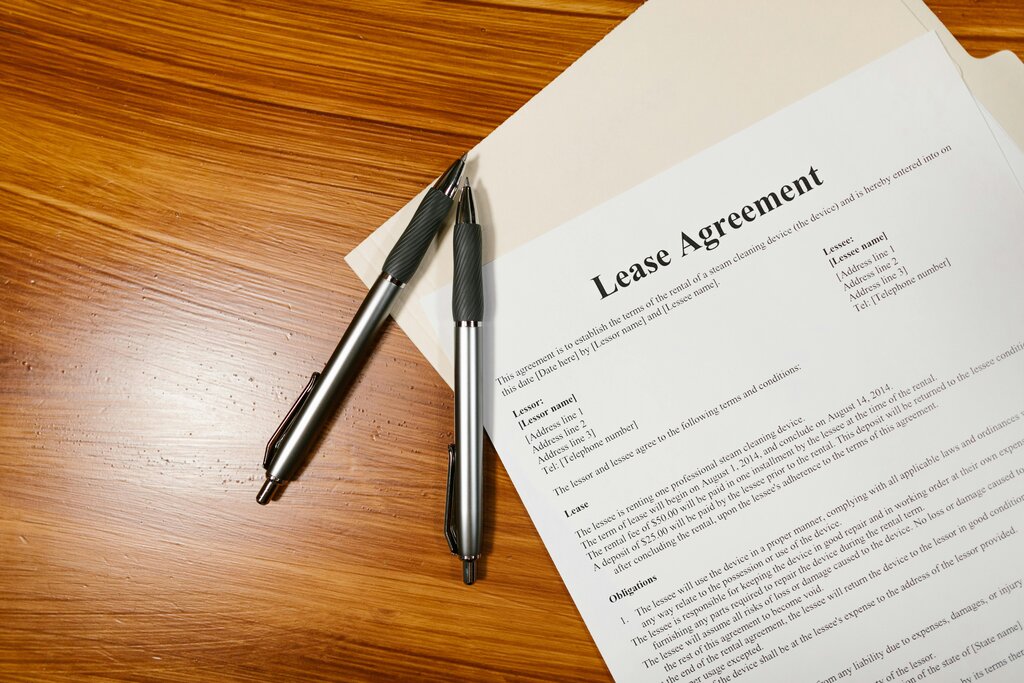
The main purpose of a lease is to protect both parties. For the tenant, it guarantees your right to occupy the space as long as you follow the terms. For the landlord, it ensures a steady income and sets rules for how their property is treated. Reading and understanding this document is the first step to a smooth rental experience.
The lease is the most important instrument in terms of protecting you for future potential issues that you’ll have with your landlord.
Key Clauses to Look For
While leases can seem dense with legal language, they usually revolve around a few key sections. When you review your lease, pay close attention to these common clauses:
| Clause | What It Means |
|---|---|
| Lease Term | This is the duration of the agreement. It could be a fixed term, like one year, or a flexible arrangement, like month-to-month. |
| Rent | This section specifies the exact amount of rent, when it's due each month, and acceptable methods of payment. It might also detail any late fees. |
| Security Deposit | It will state the amount of the security deposit and the conditions under which it will be returned to you after you move out. |
| Maintenance & Repairs | This clause clarifies who is responsible for what. Typically, landlords handle major repairs (like a broken water heater), while tenants are responsible for minor upkeep and any damage they cause. |
| Rules & Policies | Here you'll find rules about things like pets, noise levels, guests, or making alterations to the property. |
| Landlord's Access | This outlines the landlord's right to enter the property. Usually, they must provide reasonable notice (like 24 hours) except in an emergency. |
Understanding these sections helps you know exactly what you're agreeing to before you sign.
Rights and Responsibilities
The lease agreement isn’t just a list of rules; it also defines the legal rights and obligations for both the tenant and the landlord. Knowing these helps prevent misunderstandings and disputes.
As a tenant, your core responsibilities are to pay rent on time, keep the unit clean and safe, and notify the landlord of any needed major repairs.
Beyond those duties, you also have fundamental rights. Chief among them is the right to a safe and habitable living space. This means the landlord must ensure the property meets basic standards, like having working plumbing, heat, and electricity, and being free from major hazards. You also have the right to "quiet enjoyment," which means you can live in your home without unreasonable disturbances from the landlord or others.
habitable
adjective
Safe and livable. A habitable property has basics like heat, running water, and a sound structure, free from serious hazards.
On the other side, the landlord has the right to collect rent and expect that their property will be cared for. Their primary responsibilities are to maintain the property in a habitable condition and to respect the tenant's right to privacy. They must make necessary repairs in a timely manner and cannot enter your home whenever they please without giving proper notice as specified in the lease or by law.

A clear grasp of these foundational elements of a lease empowers you. It allows you to confidently understand your role as a tenant and prepares you to identify areas you might want to discuss or clarify when it comes time for renewal.
At its most fundamental level, what is a lease agreement?
What is the primary purpose of a lease?