Mastering Learning with the Feynman Method
Introduction to the Feynman Method
The Art of Knowing
Richard Feynman was a Nobel Prize-winning physicist, but he was also a master teacher. He had a knack for breaking down incredibly complex ideas into simple, intuitive parts. He believed that if you couldn't explain something in simple terms, you didn't really understand it. This philosophy is the heart of the learning method that now bears his name.
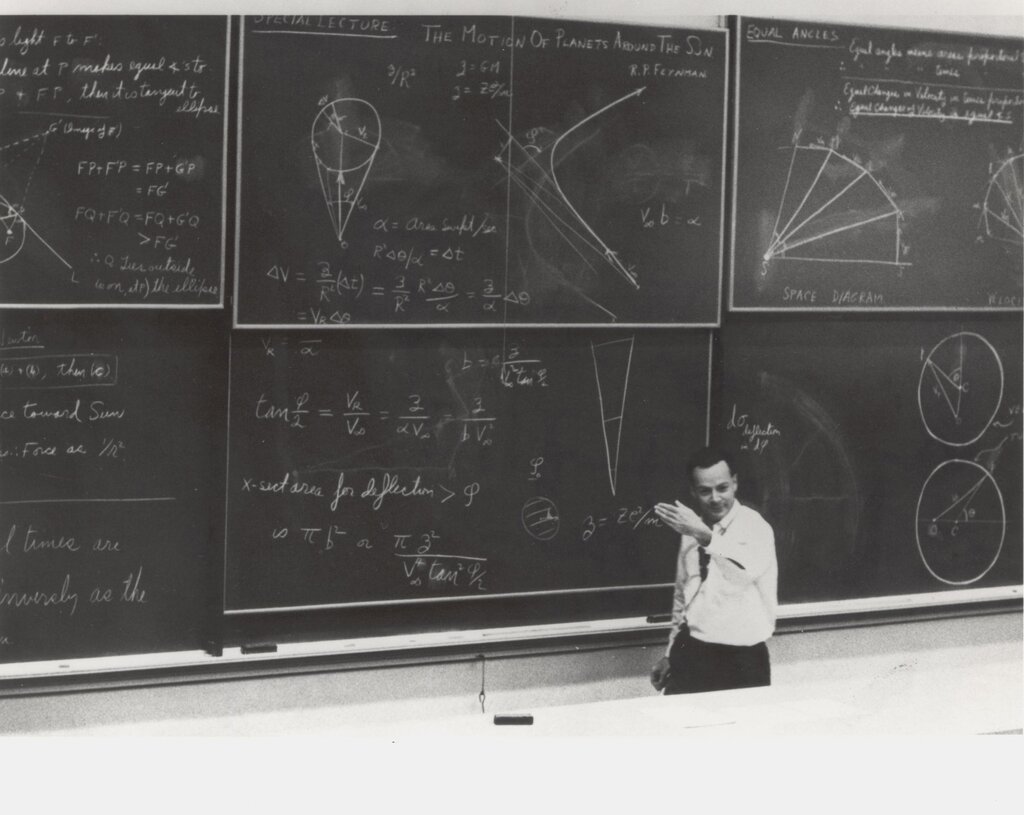
The Feynman Method isn't just for physics. It's a universal framework for learning any topic, from calculus to history. It forces you to move beyond simply memorizing facts and into the realm of true comprehension. The method is a simple, four-step cycle.
1. Choose a Concept Start by picking one specific topic you want to understand. Don't try to learn an entire field at once. Write the name of the concept at the top of a blank page.
2. Teach It Simply Below the name, write out an explanation of the concept as if you were teaching it to a child. This is the key step. Use plain language, simple analogies, and avoid jargon. This act of simplification forces you to confront what you actually know.
3. Identify Gaps As you explain, you'll inevitably hit a wall. You'll forget a key point, struggle to connect ideas, or find yourself using complex terms because you can't explain the underlying idea. These are your knowledge gaps. Circle them.
4. Review and Simplify Go back to your source material—textbooks, notes, or articles—and fill in those gaps until your understanding is solid. Then, refine your simple explanation. Repeat this loop until you can explain the entire concept without getting stuck and without using complicated language.
Why It Works
The Feynman Method is effective because it shifts you from passive learning to active engagement. Reading a book or watching a lecture are passive activities. You might recognize the material, but that's different from truly knowing it. When you're forced to articulate an idea from scratch, you're using a process called active recall, which builds much stronger neural connections.
Feynman was critical of people who knew the name of something without understanding the substance behind it. This method strips away the illusion of knowledge.
The Feynman Technique is a learning strategy developed by Nobel Prize-winning physicist Richard Feynman, who believes that many people study in a way that inadvertently prioritises “knowing the name” of a concept, rather than understanding it.
By forcing you to use simple language, the method makes you build understanding from foundational principles. You can't hide behind jargon. You have to connect the dots yourself, creating a durable and flexible understanding that you can apply to new situations.
Ready to test your memory on the key concepts?
Now let's check your understanding of how the method works.
What is the primary goal of the Feynman Method?
Which step in the Feynman Method is described as the key to confronting what you actually know?
This powerful four-step cycle can be applied to any subject you want to master.