Mastering Learning Strategies for Complex Fields
Understanding Complex Subjects
Why Some Subjects Seem So Tough
Some fields of study feel different. They aren't just a list of facts to memorize. Instead, they're built on a web of interconnected ideas, abstract concepts, and specialized language. Mastering them requires more than just reading a textbook; it demands a new way of thinking.
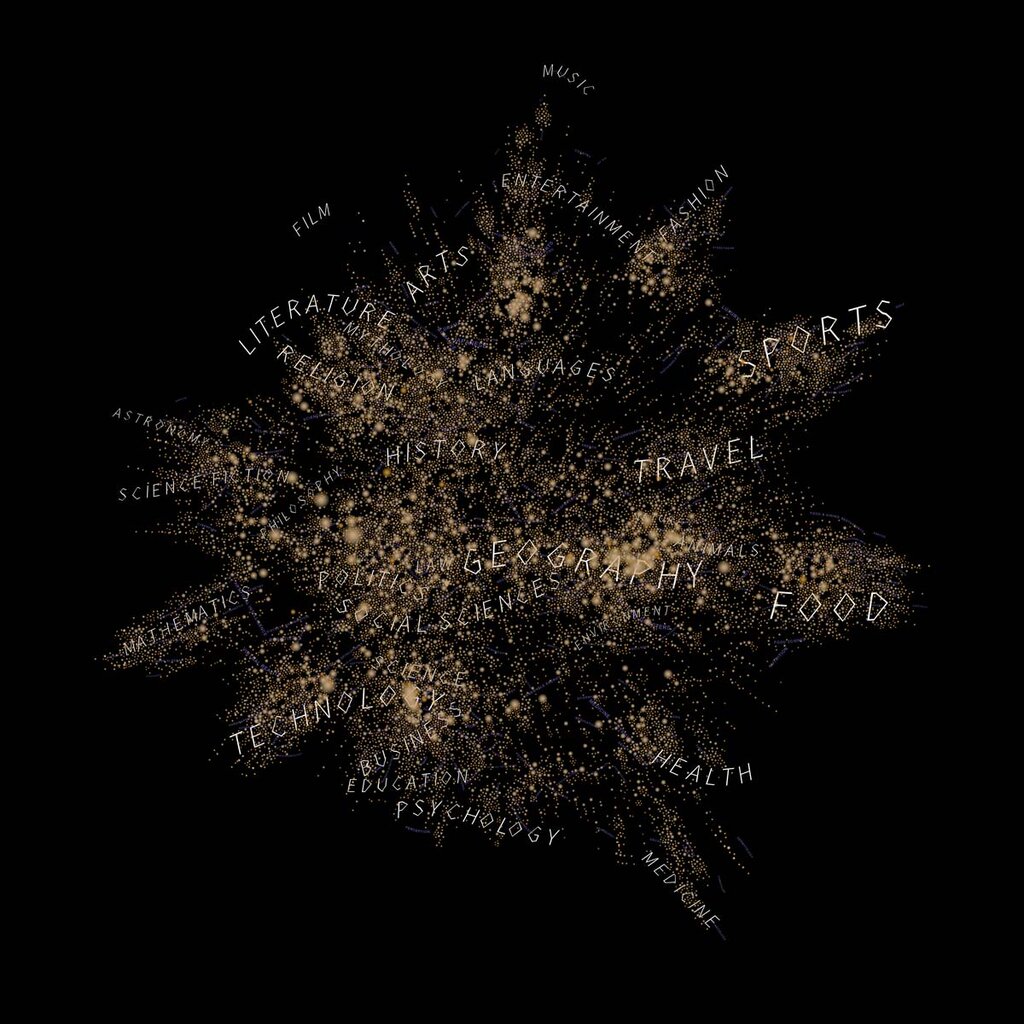
These subjects are challenging because each piece of information builds on another. A weak foundation in one area can make it impossible to grasp more advanced topics. Let's look at a few examples to see what makes them tick.
The Blend of Complex Fields
Consider medical economics. This isn't just about medicine, and it isn't just about economics. It's the complex intersection of healthcare, policy, and finance. To understand it, you need to think like a doctor, an economist, and a lawmaker all at once. The challenge lies in seeing how a decision in one domain, like a new government health policy, can create unexpected ripples across hospital budgets and patient care.
In medical economics, you can't isolate the variables. Everything affects everything else.
Actuarial science presents a similar challenge, blending high-level math, statistics, and financial theory. Actuaries predict the financial impact of future events, like insurance claims or pension payouts. This requires a deep, precise understanding of abstract mathematical models. There's little room for error when your job is to forecast risk decades into the future.
Logic in a Sea of Data
Data manipulation might sound straightforward, but it’s another area where complexity hides in plain sight. It involves cleaning, structuring, and transforming massive datasets to make them usable for analysis. The difficulty isn't just the sheer volume of information but the logical precision required. One tiny mistake in a line of code or a step in the process can corrupt an entire dataset, leading to flawed conclusions.
Working with data demands a methodical approach. You have to think through every step and its potential consequences.
Because these subjects are so multifaceted, you can't approach them with standard study habits. Memorizing formulas or definitions won't be enough. Success requires specialized learning strategies that help you build a strong conceptual framework, connect different ideas, and apply your knowledge to solve complex, real-world problems. The goal isn't just to know the material, but to think critically within the field.
According to the text, what is the defining characteristic of challenging fields like medical economics and actuarial science?
Why does the text describe data manipulation as a field where 'complexity hides in plain sight'?