Mastering Learning Management Systems
Introduction to LMS
What Is a Learning Management System?
Think of a Learning Management System, or LMS, as a digital headquarters for learning. It's a software application that helps organizations create, deliver, manage, and track educational courses and training programs. Whether you're a student at a university or an employee learning a new skill at work, you've likely used an LMS.
Learning Management System
noun
A software application for the administration, documentation, tracking, reporting, automation, and delivery of educational courses, training programs, or learning and development programs.
Its main purpose is to centralize and streamline the learning process. Instead of juggling emails, shared drives, and paper handouts, an LMS puts everything in one organized place. This includes course materials, assignments, quizzes, discussion forums, and grades.
An LMS serves as a single source of truth for all learning-related activities and content.
Its Role in Learning
In academic settings, an LMS is the backbone of online and hybrid courses. It provides students with 24/7 access to lecture notes, syllabi, and reading materials. They can submit homework, take exams, and communicate with instructors and classmates through the platform. For teachers, it simplifies grading and tracking student progress.
In the corporate world, an LMS is a powerful tool for employee training and development. Companies use it to onboard new employees, deliver mandatory compliance training, and offer professional development courses. This ensures that all employees receive consistent, high-quality training, and managers can easily monitor completion rates and performance.
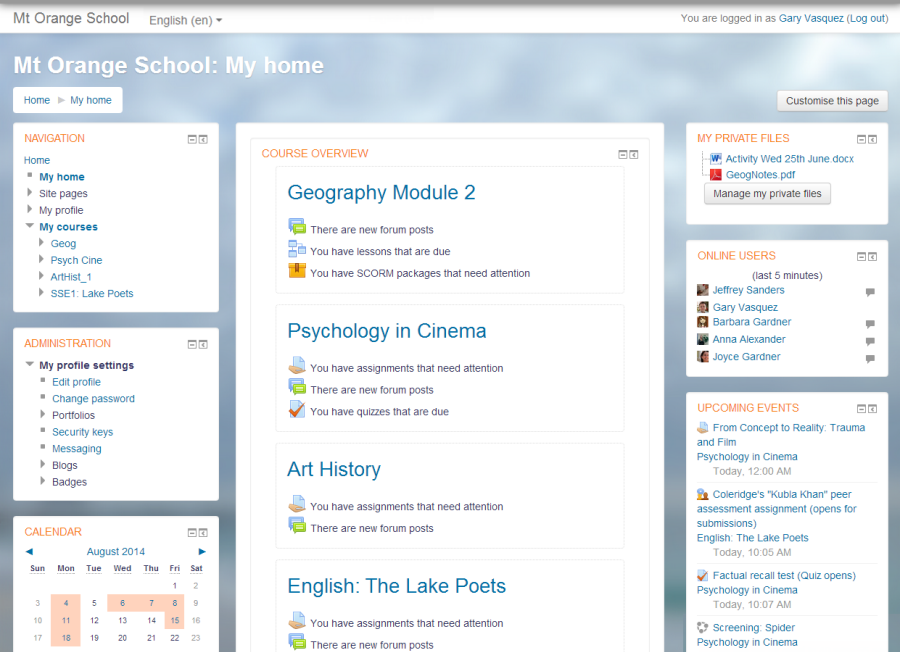
By automating many administrative tasks, an LMS frees up educators and trainers to focus on what they do best: teaching and mentoring.
Types of Platforms
LMS platforms come in several flavors, but they generally fall into a few main categories based on how they are hosted and developed.
| Category | Description | Examples |
|---|---|---|
| Cloud-based (SaaS) | Hosted by the vendor and accessed via the web. No installation needed. | Canvas, Blackboard, Docebo |
| On-premise | Installed on an organization's own servers. Offers more control but requires IT support. | Moodle (can be), SAP Litmos |
| Open-source | The source code is freely available for anyone to inspect, modify, and enhance. | Moodle, Open edX |
| Proprietary | The source code is owned by the company that created it. It's not available to the public. | Canvas, Blackboard, Brightspace |
Cloud-based systems are the most popular choice today because of their flexibility and lower upfront costs. Open-source platforms are favored by organizations that need a high degree of customization and have the technical resources to manage them.
A Quick Look Back
The concept of an LMS isn't new. Its roots trace back to the early days of computer-based training in the 1980s. However, the rise of the internet in the 1990s and early 2000s transformed these early systems into the powerful, web-based platforms we use today.
The evolution was driven by the growing demand for accessible and scalable education. Universities wanted to offer distance learning programs, and corporations needed to train a global workforce efficiently. This spurred the development of more sophisticated platforms that could support complex courses, large numbers of users, and rich multimedia content.
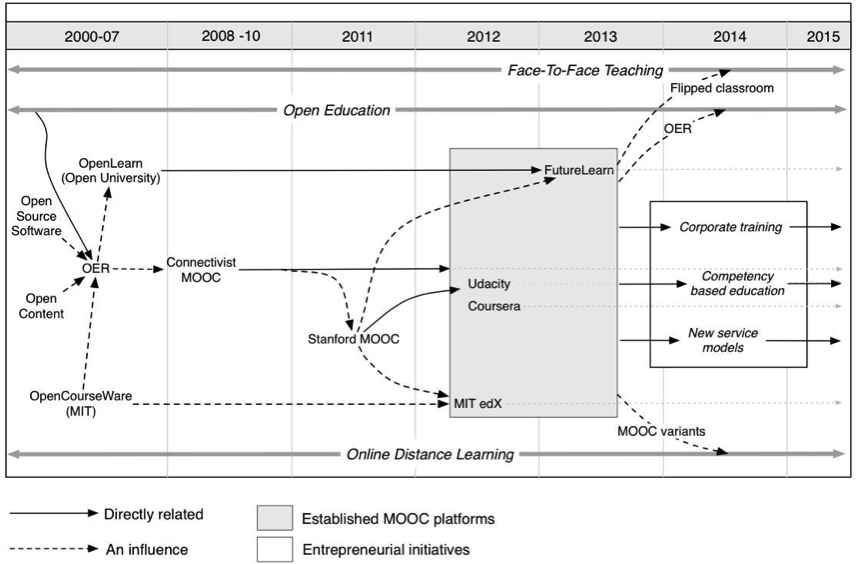
Today, modern LMS platforms often incorporate social learning features, mobile access, and even artificial intelligence to create more personalized and engaging learning experiences.
Learning today has moved far beyond fixed schedules and static course structures, and learners now expect platforms to adapt to their pace, needs, and learning styles rather than the other way around.
Now that you have a foundational understanding of what an LMS is and its role, let's test your knowledge.
What is the primary purpose of a Learning Management System (LMS)?
In a corporate environment, a company would most likely use an LMS for which of the following tasks?
Understanding the basics of a Learning Management System is the first step in seeing how technology shapes modern education and professional development.