Mastering Learning & Development Leadership
Understanding Employee Performance
What Is Employee Performance?
Employee performance is how well a person executes their job duties and contributes to an organization's goals. It’s not just about finishing tasks. It’s about the quality of the work, the efficiency in completing it, and the overall impact on the team and company.
Think of it as the sum of an employee's work activities and the results of those activities over a specific period.
Why does it matter so much? For the company, strong employee performance drives productivity, boosts revenue, and creates a competitive edge. When people do their jobs well, the entire organization thrives. For the employee, high performance leads to job satisfaction, career advancement, and personal growth. It's a win-win.
What Shapes Performance?
An employee's performance isn't created in a vacuum. It's the result of several interconnected factors. We can group them into two main categories: individual and organizational.
Individual factors include an employee's knowledge, skills, and abilities. Are they equipped to do the job? Motivation also plays a huge part. An employee's drive, attitude, and commitment directly influence their effort and output. Finally, their personal well-being, both physical and mental, provides the foundation for sustained performance.
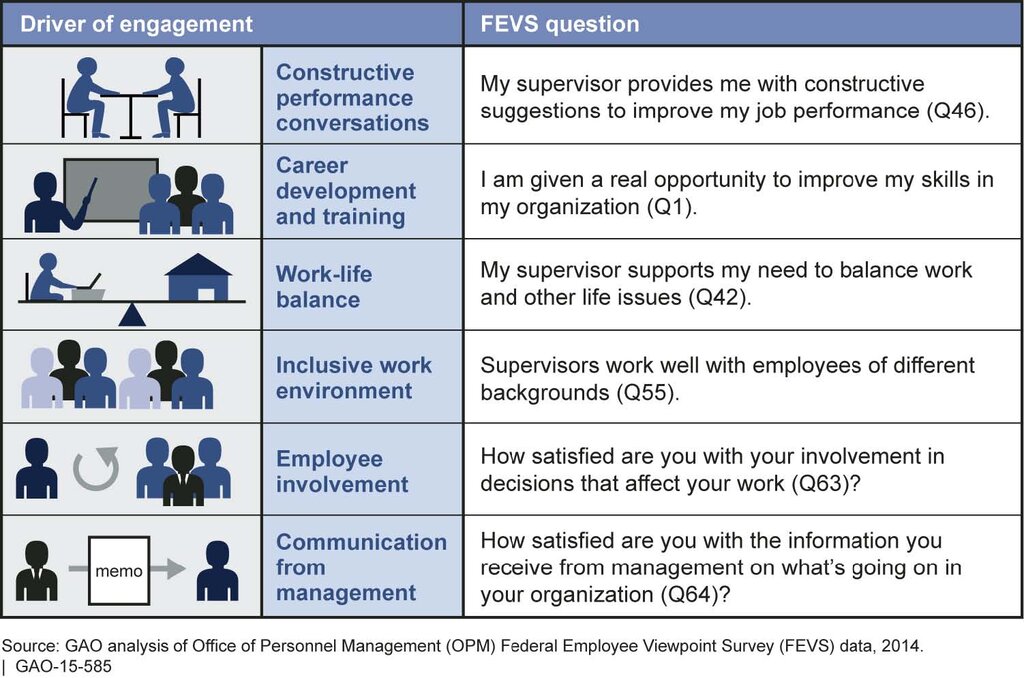
Organizational factors are just as crucial. These include the company culture, the quality of leadership, and the availability of resources and tools. A supportive environment with clear goals, constructive feedback, and opportunities for growth empowers employees to do their best work. When the organization provides a clear path and the right support, employees are far more likely to succeed.
The Ripple Effect
The impact of one person's performance can ripple across an entire organization. Think of a rowing team. If one rower is out of sync, the entire boat slows down. But when everyone rows together with strength and precision, the boat glides forward swiftly. The same is true in any company.
A high-performing employee can elevate their entire team by setting a positive example, sharing knowledge, and collaborating effectively. This leads to better products, more innovative ideas, and happier customers. Cumulatively, this individual success builds into organizational success.
Conversely, persistent underperformance can drain team morale, create bottlenecks, and hinder progress. It forces other team members to pick up the slack, which can lead to burnout and frustration. That's why understanding and nurturing individual performance is a core function of any healthy organization.
The Role of L&D
This is where Learning & Development (L&D) comes in. The primary role of L&D is to enhance employee capabilities to drive performance. It's about building a bridge between where an employee is and where they need to be to excel in their role and contribute to the company's objectives.
Understanding this process helps us design more effective training experiences.
Effective L&D goes beyond one-off training workshops. It involves creating a continuous learning culture. This includes structured onboarding for new hires, upskilling programs to keep skills current, leadership development to nurture future managers, and providing resources for self-directed learning.
By strategically investing in employee growth, L&D directly fuels the 'Individual Factors' of performance, like skills and knowledge. It provides the tools and pathways for employees to improve, adapt, and grow, ultimately boosting both their own success and that of the organization.
Let's review the key ideas we've covered.
Now, check your understanding with a few questions.
Which of the following best defines employee performance?
Which of the following is an example of an ORGANIZATIONAL factor that influences employee performance?
With this foundation, you can begin to think about how to measure, manage, and improve performance across your organization.