Mastering Leadership Essentials
Introduction to Leadership
What Is Leadership?
At its core, leadership is the art of guiding a group of people toward a common goal. It’s not about having a fancy title or the corner office. It's about influence. A leader inspires action, provides direction when things are unclear, and motivates others to do their best work.
Effective leadership is the difference between a team that just gets by and one that thrives. When a group has clear guidance and motivation, it can overcome challenges, innovate, and achieve things that wouldn't be possible otherwise. Think of a sports team captain who rallies their players during a tough game or a project manager who keeps everyone focused and energized to meet a deadline. They provide the vision and the encouragement needed to succeed.
Leadership is an action, not a position. Anyone can be a leader by stepping up to guide and support others, regardless of their official role.
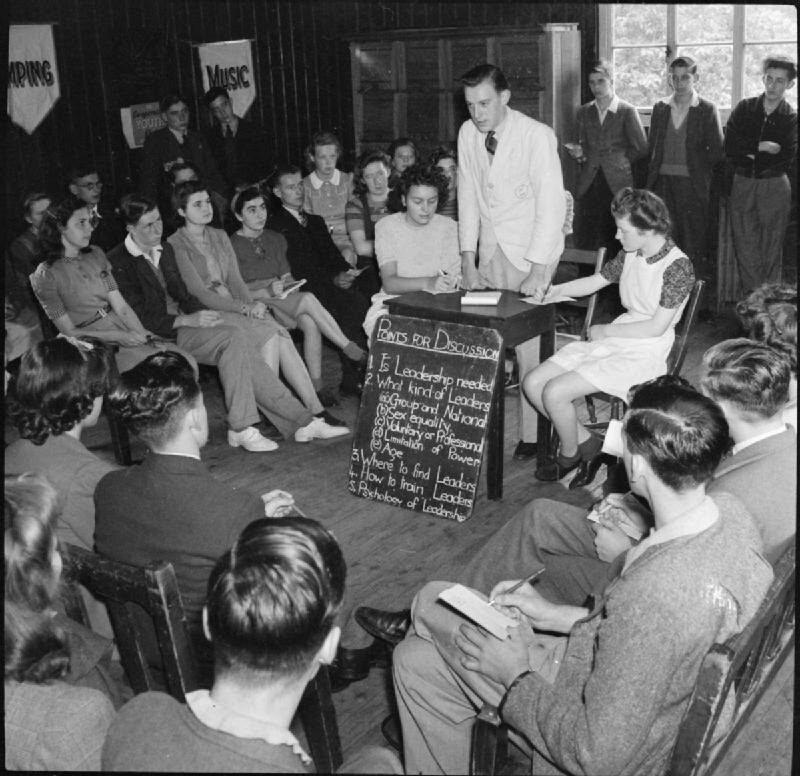
Styles of Leading
Just as there are many ways to solve a problem, there are many ways to lead. Different situations and teams call for different approaches. A leader's approach, or their leadership style, shapes how they interact with their team and make decisions. Understanding these styles helps us see the different tools a leader can use.
Let's look at three common styles you'll encounter.
| Style | Primary Focus | How It Works |
|---|---|---|
| Transformational | Inspiring Change | Leaders motivate their team by painting a compelling vision for the future. They encourage creativity and empower individuals to grow. |
| Transactional | Order & Structure | This style relies on a clear system of rewards and punishments. Leaders focus on supervision, organization, and performance. |
| Servant | People First | The leader's main goal is to serve the team. They focus on meeting the needs of their people, helping them develop and perform at their best. |
No single style is always the best. A great leader might use a transactional approach to ensure a critical project stays on track, but switch to a transformational style to brainstorm a new company direction. The key is knowing which approach fits the moment.
Let's check your understanding of these foundational ideas.
At its core, leadership is primarily about...
A leader's approach and way of interacting with their team is known as their leadership ____.
This is just the starting point. By understanding what leadership is and the different ways it can be practiced, you're building the foundation for developing your own skills.