Mastering Law 7 of The 48 Laws of Power
Understanding Law 7
The Art of Appropriation
Imagine a king who builds a magnificent castle. Does he lay every stone himself? Of course not. He hires architects, masons, and laborers. Yet, history remembers it as his castle. This is the core of Law 7: Get others to do the work for you, but always take the credit.
This principle isn't about laziness. It's about conserving your energy and time for the things that matter most—vision, strategy, and maintaining power. By leveraging the skills and labor of others, you can achieve far more than you ever could alone. Your progress will seem godlike, as if you can accomplish the work of many in the time of one.
Use the wisdom, knowledge, and legwork of other people to further your own cause. It will not only save you valuable time and energy, it will give you a godlike aura of efficiency and speed.
The key is to position yourself as the orchestrator, the genius with the grand vision. The credit and recognition naturally flow to the person at the top. The work of many becomes the achievement of one.
The Wizard of Menlo Park
Thomas Edison is celebrated as one of history's greatest inventors. He held over a thousand patents and is credited with creating the phonograph, the commercial light bulb, and the motion picture camera. But Edison rarely worked alone. He was a master of this law.
Edison established a research and development lab in Menlo Park, New Jersey, filled with brilliant engineers, chemists, and machinists. This team was his secret weapon. While they toiled away on the technical details, experimenting and refining, Edison managed the projects, secured funding, and, most importantly, handled the publicity.
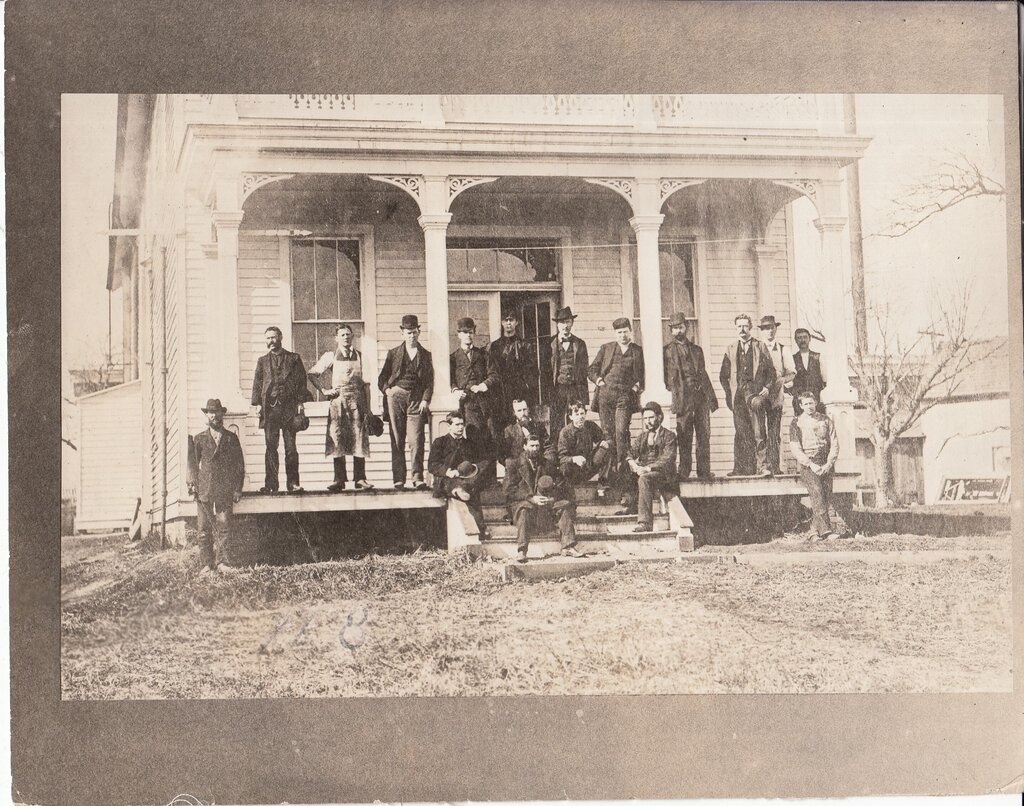
Many of the breakthroughs attributed solely to him were the product of his team's collaborative effort. For example, the creation of a long-lasting incandescent light bulb involved countless experiments by his staff to find the right filament. When success was achieved, however, it was Edison's name that shone brightest. He ensured that the public saw him as the singular genius, the 'Wizard of Menlo Park,' which in turn attracted more investors and talent to his enterprise.
Edison didn't just steal ideas; he absorbed them into his larger vision and brand. He understood that the person who gets the credit is the one who holds the power.
The Risks of Taking Credit
Applying this law is a delicate dance. If you are too blatant, you will breed resentment. People who feel their work is stolen will become your enemies. They may sabotage your efforts or leave to become your rivals, taking their valuable skills with them.
Imagine a boss who constantly presents their team's ideas as their own in meetings. Initially, the team might tolerate it. But over time, morale plummets. The best employees will leave, and those who remain will stop offering their best work. The boss's 'godlike' efficiency will vanish, revealing an empty shell who can't produce anything of value on their own.
The danger is creating a team of rivals who see you as a fraud. To avoid this, you must be subtle.
The trick is to ensure that those whose work you use are compensated in other ways. Whether through money, opportunity, or public praise for their contribution (while you take credit for the result), you must keep them on your side. Frame your role as the one who provided the vision, the resources, or the crucial final touch that made their work successful. Make them feel that their success is tied to yours.
Time to test your understanding of this delicate law of power.
What is the primary benefit of applying Law 7, "Get others to do the work for you, but always take the credit"?
How did Thomas Edison use Law 7 to become known as the 'Wizard of Menlo Park'?
Mastering this law means becoming a conductor, not just a musician. You direct the orchestra to create a symphony, and the applause is for you.