Mastering Large Language Models
Introduction to LLMs
What Is a Large Language Model?
At its core, a large language model (LLM) is an AI program designed to understand and generate human-like text. Think of it as a very advanced autocomplete, but instead of just suggesting the next word, it can write entire paragraphs, answer complex questions, translate languages, and even write computer code. They are called "large" because they are built with a massive number of parameters and trained on enormous datasets of text and code.
Large language models (LLMs) are AI systems that understand and create human language, doing tasks like summarizing articles, answering questions, writing code, and more.
The main purpose of an LLM is to process a piece of text you give it, called a prompt, and then predict what text should come next. This simple-sounding ability is what allows them to perform such a wide variety of tasks. It's not just repeating information it has seen before; it's generating new combinations of words based on the patterns it learned during its training.

The Brains of the Operation
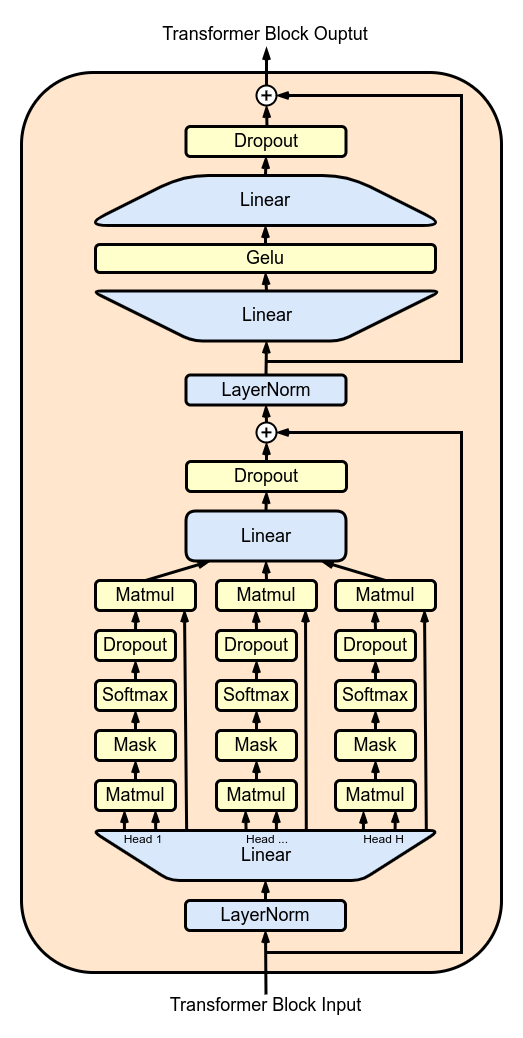
So how does an LLM actually work? The foundation of modern LLMs is a type of neural network architecture called a Transformer. A neural network is a computing system loosely inspired by the human brain, with interconnected nodes that process information.
The Transformer architecture, introduced in 2017, was a breakthrough. Its key innovation is a mechanism called "attention." Attention allows the model to weigh the importance of different words in the input text when it's generating an output. For example, if you ask, "What is the capital of France?", the attention mechanism helps the model focus on the words "capital" and "France" to produce the correct answer, "Paris."
Instead of processing words one by one in order, the Transformer's attention mechanism lets it look at the entire input sentence at once, understanding the context and relationships between all the words.
This architecture is made up of many layers that process the text. Each layer refines the model's understanding, allowing it to grasp grammar, facts, reasoning abilities, and even style from the training data. The sheer scale of these models, sometimes with hundreds of billions of parameters, is what enables their sophisticated understanding of language.
How an LLM Learns
Training an LLM is like having it read a massive library containing a huge portion of the internet, millions of books, and countless articles. During this process, the model's goal is simple: predict the next word in a sentence. It looks at a sequence of words and tries to guess what comes next.
For instance, if it sees "The cat sat on the __", it might predict "mat." If it's right, its internal connections are strengthened. If it's wrong, it adjusts its parameters to make a better guess next time. This process is repeated billions upon billions of times.
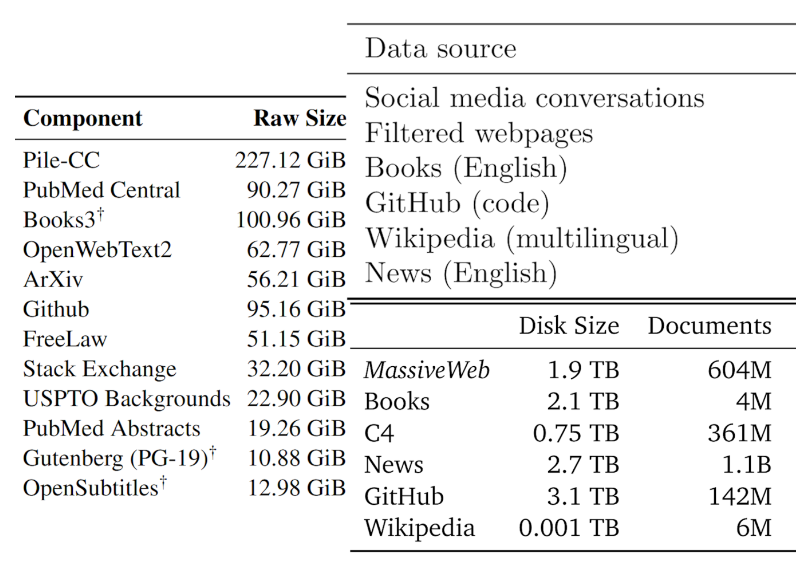
This massive-scale training requires incredible amounts of computational power and data. The quality and diversity of the training data are crucial. If the data is biased, the model will be biased. If the data is full of misinformation, the model will learn to generate misinformation. That's why curating high-quality datasets is one of the biggest challenges in creating powerful and reliable LLMs.
LLMs in the Wild
The capabilities learned during training allow LLMs to be used in a huge range of applications across many industries. You've likely already interacted with them.
Some common uses include:
- Content Creation: Writing emails, blog posts, marketing copy, or even poetry.
- Summarization: Condensing long articles or documents into key points.
- Chatbots and Customer Service: Powering conversational agents that can answer customer questions.
- Code Generation: Writing snippets of code in various programming languages based on a natural language description.
- Translation: Translating text between different languages with increasing accuracy.
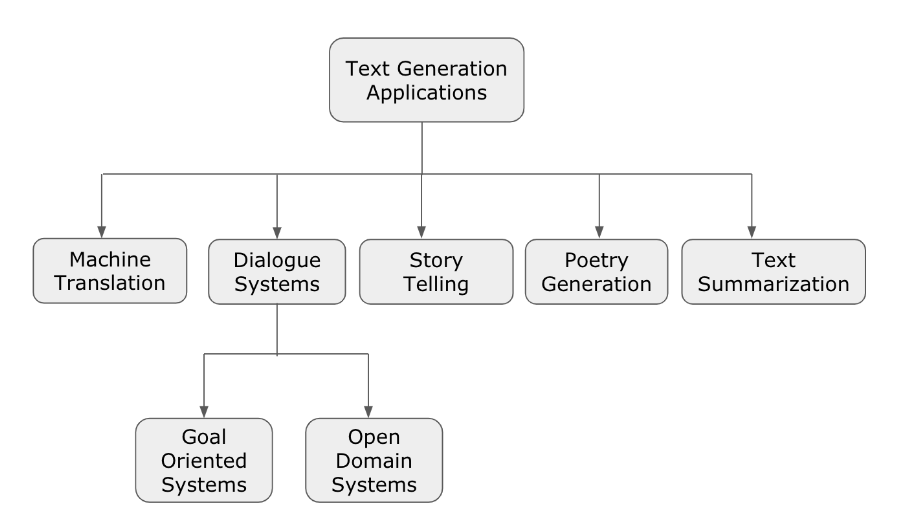
As these models become more capable, they are being integrated into tools for software developers, analysts, writers, and researchers, fundamentally changing how work gets done in these fields.
Ready to check your understanding?
What is the primary function of a Large Language Model (LLM)?
The key innovation of the Transformer architecture, which is the foundation for modern LLMs, is a mechanism called 'attention'. What does this mechanism do?
This foundation gives you a starting point for understanding how these powerful tools work. By grasping the basics of their architecture and training, you can better appreciate both their amazing capabilities and their limitations.